
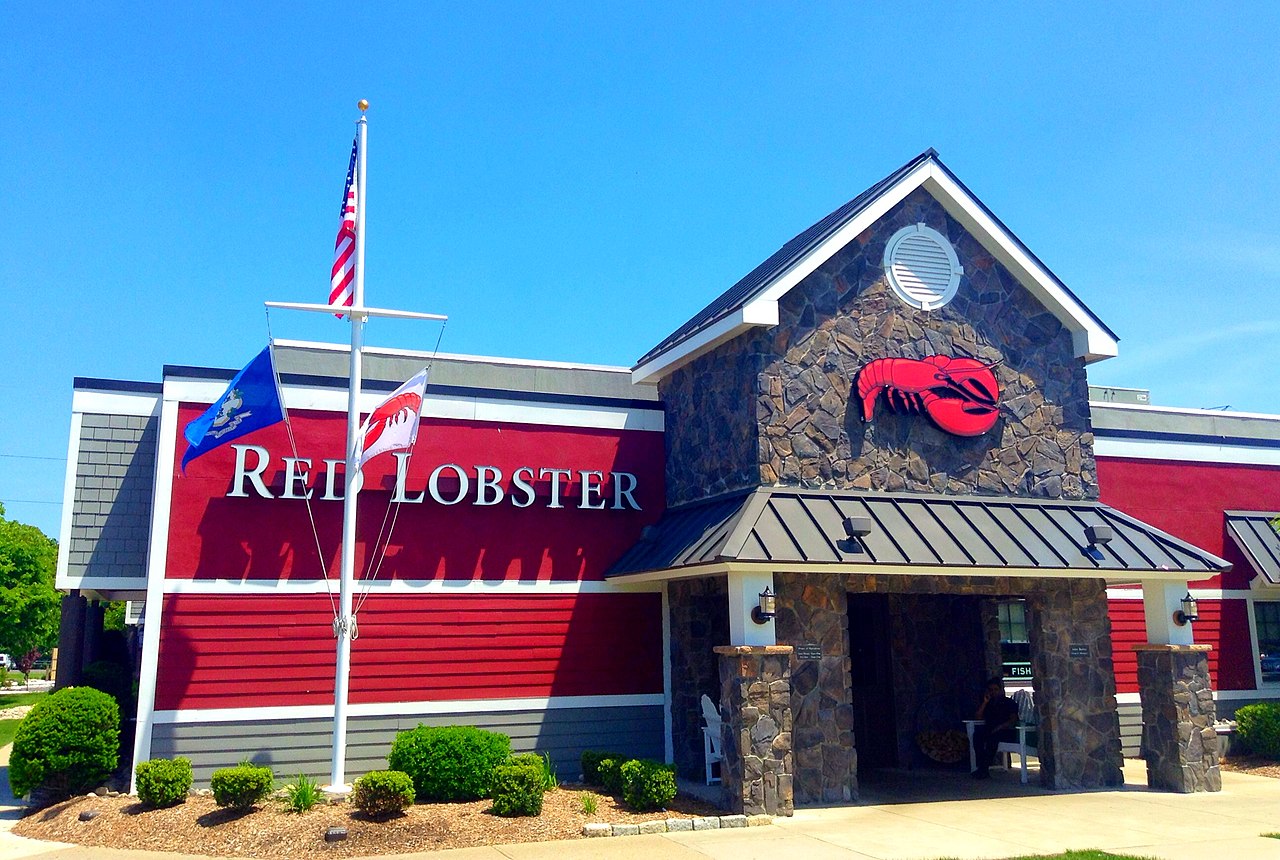
Restaurant chains across the U.S. are still shrinking footprints as operators sort through higher labor costs, lease obligations and uneven customer traffic. In Santa Maria, that pressure is now hitting one of the city’s longtime national chain restaurants: Red Lobster at 1525 S. Bradley Road is scheduled to close at the end of August after about 32 years in business. The move ties a local loss to the company’s broader post-bankruptcy restructuring.
Santa Maria’s Red Lobster is scheduled to close on August 31
Red Lobster Restaurants LLC has filed a California WARN notice showing that its Santa Maria restaurant at 1525 S. Bradley Road is set for permanent closure effective August 31, 2026. State-tracked WARN data reviewed through layoff monitoring services lists the event as a closure affecting 37 employees, while local reporting by KSBY also stated the restaurant is closing at the end of August. The location has operated in Santa Maria for roughly 32 years, according to local coverage.
The filing is significant because WARN notices are among the clearest public indicators that a closure has moved beyond rumor and into a formal labor action. In this case, the effective date is publicly listed and the employer is specifically identified as Red Lobster Restaurants LLC. That gives Santa Maria residents a confirmed timeline for when the restaurant is expected to stop serving customers.
The closure adds another California chapter to Red Lobster’s long restructuring process. The company filed for Chapter 11 bankruptcy protection in May 2024, then moved through a court-approved sale and reorganization later that year. Since then, Red Lobster has continued evaluating its restaurant base as it works to stabilize operations under new ownership.
What is confirmed in Santa Maria, and what remains unclear in California
What is confirmed is narrow but important: the Santa Maria location is the restaurant identified in the available WARN records, and the address attached to the filing is 1525 S. Bradley Road in Santa Maria. The worker count publicly associated with that filing is 37 employees. The closure date publicly tied to the notice is August 31, 2026.
What is not yet clear is whether any additional California Red Lobster locations are facing similar action at the same time. The company has not released a comprehensive public list of affected California restaurants tied to this specific round of evaluation. Publicly available reporting tied to this event centers on Santa Maria, not a broader statewide shutdown.
For Santa Maria, the impact is immediate and local. A national chain restaurant that had been part of the city’s dining mix for more than three decades is preparing to leave, and dozens of workers are attached to that change. For customers, the practical takeaway is simple: unless Red Lobster announces otherwise, the Santa Maria restaurant is expected to operate only through the stated August 31 closure date.
The closure reflects Red Lobster’s broader turnaround after bankruptcy
Red Lobster’s larger financial problems have been documented in bankruptcy filings and national reporting since 2024. The company said when it sought Chapter 11 protection in May 2024 that the process was intended to strengthen its financial position and maximize value for stakeholders. Reporting from the Associated Press and Bloomberg Law tied the filing to rising lease and labor costs, debt pressure and declining performance at some locations.
Court and restructuring records also show the chain had already begun trimming weaker stores before and during the bankruptcy process. Case trackers covering the reorganization reported that Red Lobster closed 93 underperforming restaurants in May 2024, and later emerged from bankruptcy under new ownership led by Fortress-backed lenders. That context matters because the Santa Maria decision fits the same pattern of portfolio review rather than an isolated local event.
For customers and residents, the immediate meaning is limited but concrete. The Santa Maria restaurant is scheduled to close, and the public filing gives a date and an employee count, but it does not provide a detailed public explanation for why this single site was selected. The broader company context suggests an ongoing effort to keep only locations viewed as viable over the long term, as Red Lobster continues operating while reducing costs and reshaping its footprint.
Really impressed with the loyalty program here. The perks are awesome and the gaming experience is just buttery smooth. Join the club at 50jilivip.