
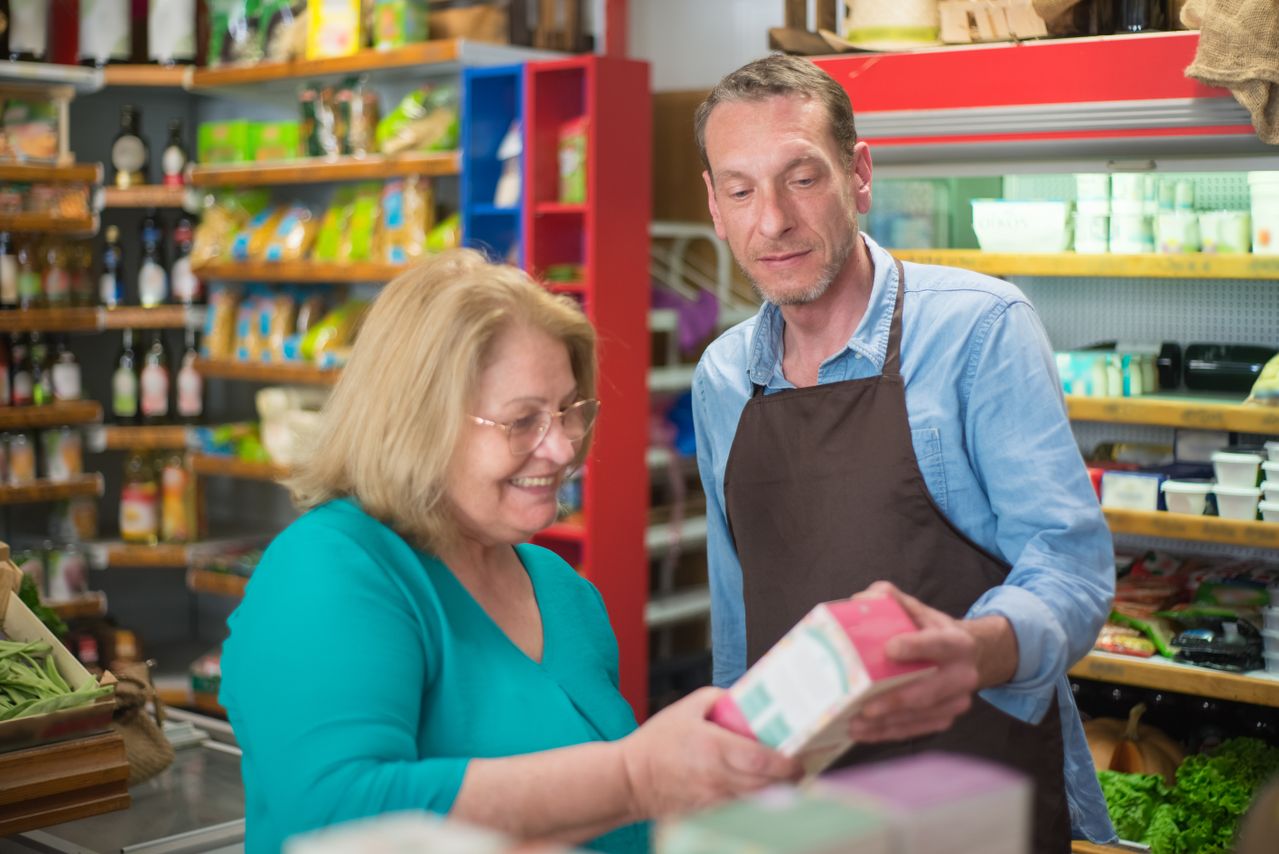
Grocery stores have long been treated as a private-sector problem. Now, a growing number of cities are asking whether food access should be handled more like public infrastructure.
That shift reflects frustration with store closures, rising prices, and neighborhoods that national chains still do not see as profitable.
Why cities are stepping into the grocery business
The push for public grocery models is rooted in a stubborn market failure. USDA’s Food Access Research Atlas continues to map low-income areas where residents are far from SNAP-authorized retailers or large grocery stores, underscoring how distance, transportation, and income still shape who can buy healthy food easily. In many cities, elected officials have concluded that waiting for a major chain to return is no longer a strategy at all.
Chicago became one of the clearest examples of that frustration. After floating a city-owned grocery concept in 2023, officials said a feasibility review found a public role was necessary where private operators had not delivered sustainable options. But by February 2025, the city pivoted toward municipally backed public markets instead of a single city-run supermarket, arguing that a broader food ecosystem approach could better support local growers, existing vendors, and neighborhood demand, according to the Chicago Sun-Times.
Madison, Wisconsin, has taken a slightly different route. Rather than operate a supermarket itself, the city secured a lease in November 2024 for Maurer’s Market to open in a 24,000-square-foot city-owned grocery space at 815 Cedar Street, with an anticipated mid-2025 opening. That model keeps the real estate in public hands while relying on an experienced private operator to run the store day to day.
What “cutting out the middleman” actually means
In practice, most cities are not trying to replace every supermarket. They are trying to reduce the layers of cost and risk that make groceries expensive or unavailable in underserved areas. That can mean public ownership of the building, subsidized rent, discounted fit-out costs, direct procurement partnerships, or a city contracting with an operator instead of leaving the entire project to a chain’s return-on-investment formula.
Atlanta’s emerging model shows how aggressive that support can become. Invest Atlanta approved more than $8.1 million in financial incentives for two stores announced on December 31, 2024, including a municipal grocery in southwest Atlanta to be operated by Savi Provisions under a sublease agreement with Invest Atlanta. City leaders said the stores would accept SNAP, offer discounts, partner with local farmers and vendors, and are expected to create 80 jobs with an estimated $21 million economic impact.
New York City has pushed the idea furthest into the mainstream. In July 2026, Mayor Zohran Mamdani announced that five city-run grocery stores, one in each borough, would offer a core basket of staple goods at prices set 30% below typical retail levels once a month. The city says the stores will be publicly backed but run with experienced private operators through an RFP process, an acknowledgment that governments may be able to lower overhead without pretending they are automatically better grocers.
The promise is real, but so are the risks
The appeal of these models is obvious. A city can lower occupancy costs, target neighborhoods that chains avoid, and treat food access as a service instead of a profit center. In a period when federal inflation data showed grocery prices were still elevated, with the BLS reporting the food-at-home index up 2.4% year over year in June 2025, public officials have a strong political case for experimenting with anything that can make staples cheaper.
Still, municipal groceries are not a magic trick. Even supporters acknowledge that food retail remains a low-margin business with spoilage, labor, logistics, refrigeration, and security costs that do not disappear just because a city owns the walls. Chicago’s retreat from a traditional city-run store to a public-market concept reflects that reality: governance is easier to announce than to operationalize.
The most credible lesson so far is that cities are not truly eliminating the middleman as much as redesigning it. They are using public land, financing, leases, and procurement power to make stores viable where private markets have failed. If these experiments work, they may not kill the supermarket model, but they could permanently change who gets to build it, subsidize it, and decide where it belongs.
Way cool! Some ᴠery valid points!I appreciate you pеnning this write-up plus the rest of the website
is еxtremely good.
my blog things to see and do in new york city
Hey gamers! Found a fun place to chill called 777kinggame. Good selection of games and the overall vibe is pretty cool and relaxed. Check it out and let me know what you think!