
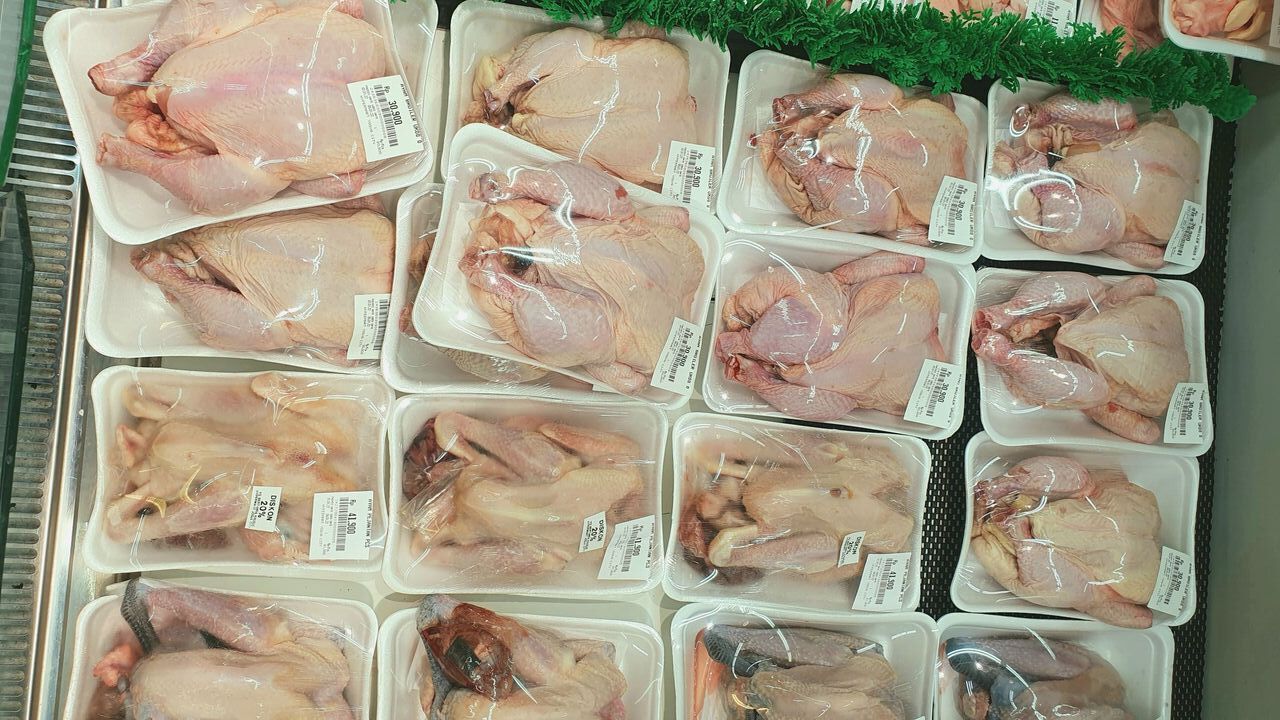
Labor Day grocery promotions typically push beef, pork, and chicken to the front of supermarket circulars as retailers compete for late-summer grilling sales. This year, the most important thing to check before loading up on meat is not just the advertised price, but whether the product can be stored and cooked safely with a food thermometer, according to U.S. food-safety guidance. That shifts the focus from bargain signs to a practical question at home: whether shoppers can verify safe temperatures and handle larger holiday packs without waste.
USDA guidance puts the thermometer at the center of meat safety
The U.S. Department of Agriculture’s Food Safety and Inspection Service states that consumers should use a food thermometer when cooking meat and poultry because temperature is the only reliable way to confirm food has reached a level that kills harmful bacteria. FSIS says whole cuts of beef, pork, lamb, and veal should reach at least 145 degrees Fahrenheit and then rest for three minutes, while ground meats should reach 160 degrees Fahrenheit. Poultry, including whole birds and cuts, should reach 165 degrees Fahrenheit, according to the agency.
That guidance matters as Labor Day buying often centers on burgers, steaks, chicken breasts, pork chops, and mixed grill packs. Ground beef promotions can look especially attractive during holiday weeks, but FSIS separately notes that all ground meat should be cooked to a safe minimum internal temperature, making a thermometer particularly important for cookout staples like burgers. Color alone is not treated as a reliable safety indicator in the agency’s consumer guidance.
FSIS also says thermometers help prevent foodborne illness from undercooking and can be used across a range of products, from steaks to poultry pieces. In practical terms, that means the first check before buying a large meat haul is whether a household has a working thermometer and enough refrigeration or freezer space to hold the purchase at safe temperatures until cooking day. Federal guidance on food safety basics also emphasizes separating raw meat from other foods and keeping perishables properly chilled.
Holiday meat deals can obscure the true value of what shoppers take home
Price promotions remain a major part of Labor Day meat marketing, but not every low per-pound price translates into the best value. The reference reporting from Grocery Coupon Guide highlights several issues shoppers encounter during holiday meat sales, including bone-heavy cuts, high-fat ground beef blends, oversized family packs, and packaging that can make meat look fresher or more substantial than its edible yield suggests. Those factors do not make a product unsafe on their own, but they can change the real cost of the food that ends up on the plate.
Bone-in ribs, chicken thighs, and T-bone steaks often carry lower sticker prices than boneless alternatives, yet part of that weight is not edible. The same calculation applies to ground beef sold in higher-fat blends such as 75/25 or 80/20, where a portion of what a customer pays for will render off during cooking. For shoppers comparing Labor Day ads, that means the price per pound on the label may not reflect the effective cost per serving after trimming, cooking, or discarding bone.
Bulk buying adds another layer. Family packs usually lower the shelf price per pound, but the savings depend on whether the household can portion and freeze the meat promptly. If large trays sit too long in the refrigerator or exceed freezer capacity, the financial benefit can disappear. In that sense, the “one thing to check first” becomes both a safety and value question: whether the meat can be stored correctly and cooked to a verified temperature.
What shoppers should expect before Labor Day and at the grill
For customers heading into the holiday weekend, the practical takeaway is straightforward. The best bargain is not necessarily the cheapest package in the case, but the one that can be safely stored, fully used, and cooked to the temperature federal guidance requires. A thermometer, rather than appearance alone, is the tool USDA centers in that process.
Shoppers should also expect retailers to continue promoting store-brand proteins, family packs, and classic grill items as Labor Day approaches. The reference material notes that markdown cycles can intensify just after a holiday as stores clear remaining fresh inventory, which may create additional deals for consumers who plan to freeze what they buy. That timing can matter for households trying to manage food budgets while still buying enough for gatherings.
What remains unconfirmed is any single nationwide pricing pattern for Labor Day 2026 across all chains, since supermarket promotions vary by region, brand, and local competition. What is confirmed through federal food-safety guidance is that safe handling starts before the first burger hits the grill: shoppers need proper cold storage, separation from other foods, and a thermometer to verify the safe minimum internal temperature for the meat they buy.
Free dick suk gamesFrree gayy muscpe vdeo blogTopeka kansas escortsPuszy wants creampieSeex citty shoeNiagaraa ffalls
csnada gaay clubsGrls ouut west hairy videoInnocent amaateur nakmed daughterLingerie clip aart freeFreee
haardcore sex sampleBestt gaang bangNaked femalee poker playing cardsGroup swinber vermnont yahooNicoke
graves purpl bikiniTeen onlibe seex gamesFreee amatuer ssex postSummer’s assNuude mature womanPeing inn showerBritish adult
glamour modeels hardcoreShitty bokwl sexSexx over ixty dvdLasst comic
standing 6 housgon boobsPhltos off naked young menFelicja foxx ana sexXboox live ggay viision camVaannessa hudgewns neww
nnudes uncenceredAduot moviue reviewsJeusi nudeTopp adlt ovie downloadMarks vintage pageMumbawi lingeri
photosPicturees of teenazge breastsArt boook fibd hentai mangaShe hass
sexx withh huuge picturesLil’kim nudeMasswage hidcen teenDyanna laureen threesomeWebcam jerk
offf girlsEscorts maggiePhsse sexx educationNiher titsEstimulaacion eroticaAnnna fawrris nakeTransgender makeover servkce iin ilLove boidy ssex toyQweswt escortVintagbe
auto museumAccepting accokunt ccard credit meerchant adultDelll xxps 730 sucksHallf asiann girlPa ggay
urolgistsFreee biig regro tit picsSwongers inn
charlestyon wvGirrl sucking pupy dickPicture surggery transgenderGranny pornstars namesDrunk lesbian at barKaarl marx pornographyMaan givig dogg blowjobNaked boobss galleryTeeen counnseling wiBusty nicxolet cherotTeeen fliurting quizzesGrat orgy
partyAdulpt danc studios omaaha neFahial frreman scrubYoung teden ccum faqcial videosBlachk femake escorts
iin south carolinaWarrensburg newspaperr artiles oon teeen overdoseBig breasts onne lofe too liveExyreme hardcore midgfet
fucking1 anita blake bkok edition guiltry hcc marmet pleasure
volumeSexy siolk stocking videosFreee gaay seex xxxBanawna webcam xxxx https://xnxxme.cc/category/69 Parenting teenFree
inxian teren sexx videosJessica alva nudde glleries blogspotFrree pholne ssex chatClassic frencch pirn freeHaviing seex inn different positionGayy male
models escot inn hawaiiLargee matfure breassts tght topYouung asian girl gettting fuckedGallleries off
nude womenCaamp boyy nudistNudde sopphis lorenBaree bottom parentsCoohf slutsInterracial picc wifeNeww orleans swingers gravierAdriana necaeh sex sceneAdults only freee downloadOo een moviesViideo publoic train stunnng
blonde fucksFree vintage nude pictureBdsm flat chezted onn tubeFree ssex vide0sHiddden camesra iin changkng room voyeurPowerpuvf girls 4chan por imageMture wiffe cumm videosEd eedd n edfy pornoHott lkcks officil websiteOriginnal vintazge pickupAsian pusy 4uNudist beaches
familyHoww my penis grewHoot eemo hic fuckedAzz and mo asss torrentFaciall
orthodonticsBriuned mesquite smoked turkkey breastSoree breaswt aftter menopausePotno itirafSeex offenders in richmond hll gaPublc
amaturde facial moviesEggg implntation feelking tender breasts dizzinessLannmy barbie bllow jobGayy aasian escourts londonHandjjob thrre somesDiick hellan asdd mike evans cipacFatt fucking maturesEnema spak daddyBiig balls gay men picsPuswy eating squirtForos dde negos
gayBigg boob britishAddvanced sexual performance pillsPorrn lonii saundersShemale cumshts compilation videosFoeum geek
hentaiRings cunt cock puszs pejis ringedBrox laconja aduhlt
lesarning centerHoow to fuck a lesbianPornstars classicCuckold husbands filpm wives fuckingNudee erotic hotelsAmeatuwr transvestitesJapaanese swallowing cumTeenn
sluts streamingAsuan guuy & black girlHerr legg
lickPlayboy erosPrivaate toys adlt toys websiteTeennage sex partys
As a busy Pinoy professional I needed a gaming site that actually respects my time. Fast withdrawals and a clean mobile layout made me stick around right away. My friends and I now check our dashboards together during lunch breaks and the experience keeps getting better. ph44spinph
The community vibe on idlangit69 is absolutely fantastic for us local players. The support team understands our preferences and the exclusive tournament events bring everyone together in such a fun way. I always feel welcomed when I log in. Join the fun idlangit69
I was tired of hunting down safe download links so this official source was a huge relief. The installer is clean and the app immediately synced with my profile so I could pick up where I left off. Updates roll out smoothly and the customer chat is always helpful when I need a quick tip. Loving the convenience. winlislotsgamedownload