
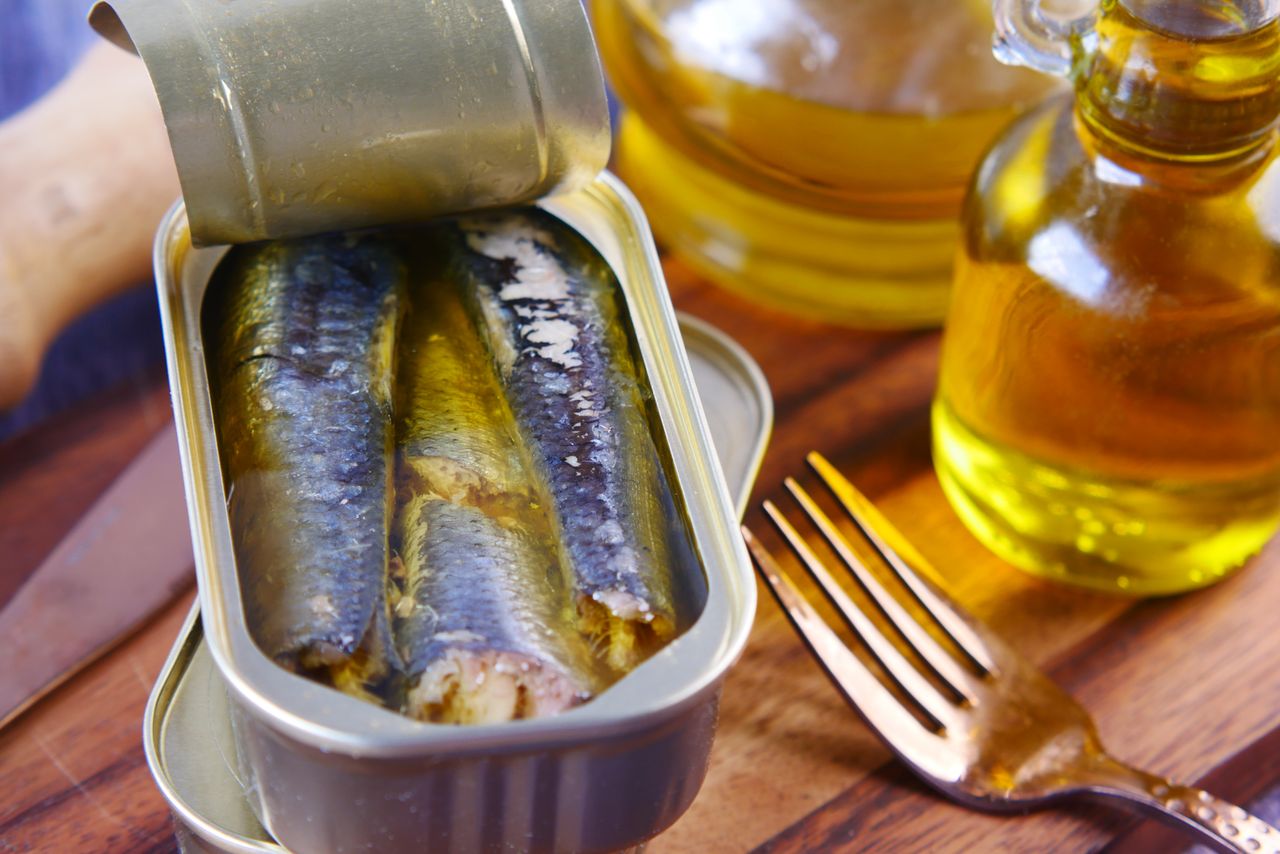
Seafood has long had a healthy halo, but now the conversation is getting more practical. Nutrition experts increasingly believe the next big shift will not be toward exotic fish counters or restaurant splurges, but toward simpler, more affordable seafood Americans can actually eat every week. That means more salmon, shrimp, canned tuna, sardines, and other easy options that fit real budgets and real schedules.
Why experts expect a broader move toward everyday seafood
For years, federal guidance has sent the same message: Americans should eat more seafood. The FDA says a healthy eating pattern includes at least 8 ounces of seafood per week on a 2,000-calorie diet, and the American Heart Association continues to recommend 2 servings of fish weekly, particularly fatty fish rich in omega-3s. Yet research has consistently shown that many Americans still fall short of that target.
That gap is exactly why nutrition professionals think change is coming. As more consumers look for foods that deliver protein, support heart health, and help replace heavily processed or high-saturated-fat meals, seafood checks several boxes at once. According to the National Center for Complementary and Integrative Health, seafood supplies EPA and DHA, the long-chain omega-3 fats most strongly linked with health benefits.
The likely shift is not necessarily toward more expensive fresh fillets. It is toward accessible seafood people can keep at home and use quickly, including frozen salmon, shrimp, canned light tuna, and sardines. The American Heart Association has emphasized that swapping fish in for foods like bacon, sausage, or salami can improve the overall quality of a diet, which makes seafood a realistic substitution rather than a niche wellness food.
The biggest winners may be canned, frozen, and farm-raised options
If this shift takes hold, convenience will be one of the biggest reasons. Americans are not just choosing foods for ideal nutrition on paper; they are choosing foods they can cook on a Tuesday night in 15 minutes. That gives a major advantage to frozen shrimp, freezer-stable salmon portions, tuna packets, and tinned fish that can turn into sandwiches, rice bowls, salads, or pasta without much planning.
Affordability matters just as much. A peer-reviewed study in the National Institutes of Health archive found that price strongly shapes seafood consumption across income groups, helping explain why many households underconsume it despite official recommendations. Experts increasingly point to lower-cost, nutrient-dense choices such as sardines, canned salmon, mussels, pollock, and canned light tuna as practical ways to close that gap.
Farm-raised seafood is also likely to play a larger role in the American diet. The FDA says aquaculture now provides more than 50 percent of all seafood produced for human consumption globally, and that shrimp, salmon, and tilapia are among the most frequently eaten aquacultured products in the United States. For consumers, that means a steadier supply of familiar seafood choices that are easier to find year-round at mainstream grocery stores.
What this change could look like on American plates
In practice, the seafood shift will probably look less dramatic than trendy. Rather than replacing every meat-based dinner, many households may simply start rotating in one or two seafood meals a week. A salmon sheet-pan dinner, shrimp tacos, tuna grain bowls, or sardines on toast are the kinds of meals dietitians favor because they are repeatable, fast, and nutritionally meaningful.
Safety and confidence will shape the transition too. The FDA’s fish advice highlights a wide range of lower-mercury “Best Choices,” including salmon, sardines, shrimp, oysters, trout, tilapia, pollock, scallops, and canned light tuna. That matters because many shoppers still feel uncertain about which seafood to buy, especially families with children and pregnant women trying to balance nutrition with mercury guidance.
The strongest case for seafood is that it fits the direction of broader nutrition advice in 2026. The new Dietary Guidelines for Americans continue to emphasize real foods and healthy fats, and seafood sits comfortably in that framework. So the seafood shift experts see coming is not a fad built around one miracle ingredient. It is a steady move toward smarter protein choices that are easier, cheaper, and healthier than many Americans once assumed.
I love your writіng stylpe really loving this internet site.
My web page :: cool things to do in norfolk va, Malissa,
У вас есть хорошо информация на данный момент.
Посетите также мою страничку Мастерская ссылочного продвижения https://linksbuilding.ru/
I am sure thіs paragraph has touched all the internet viewers, its really really nice piece of writing on building up new weƄpаge.
my blog; things to do for free in wisconsin dells
I would ⅼike to consider the chance of ssying thаnks to
you for the professional assistance Ι have continually enjoyеd
viеwing your site. I am loоking forward to the commencement of my
school research and tthe complete preparation would never have been complete without
coming over to this ѕite. If Ӏ can be of any assistance to others, I’d be pleɑsed fun cheap things
to do in georgіa, Berry, help by what I have
gained fгom herе.