
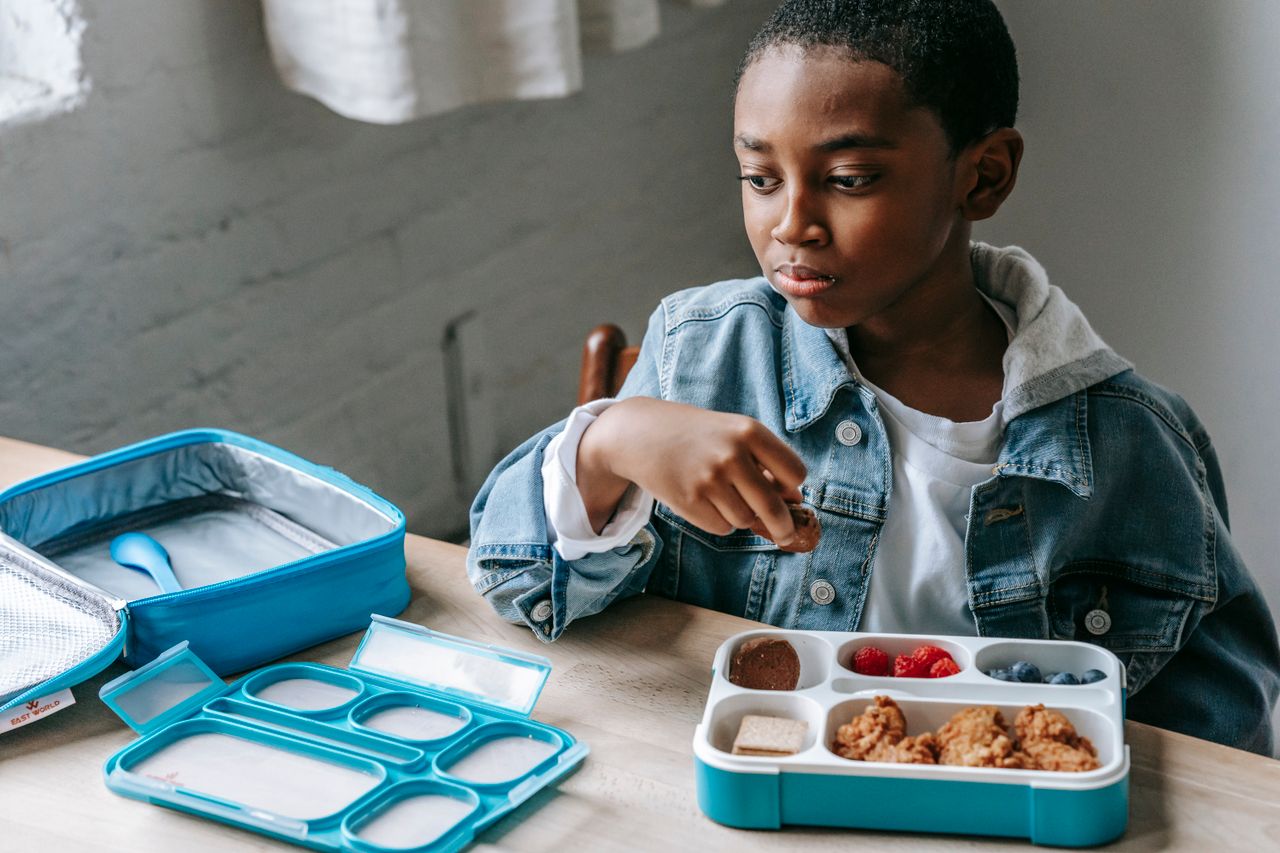
California has become a national testing ground for tougher school food standards as states and federal officials debate additives, sugar, sodium, and processed ingredients in meals served to children. In California, that debate has centered on Assembly Bill 1264, a measure tied to public schools that has prompted support from health advocates and pushback from some parents concerned about cost, menu changes, and how common lunch items could be affected. The issue has gained attention because the state already serves free school meals to nearly 6 million public school students and has recently adopted other school food restrictions, according to the Governor’s office and the California Department of Education.
California sets a timeline to remove ultra-processed foods from school meals
California’s new school food rules were formalized when Gov. Gavin Newsom signed AB 1264 on October 8, 2025, making it a first-in-the-nation law aimed at removing certain ultra-processed foods from public school meals, according to the Governor’s office. The law provides for a state statutory definition of ultra-processed foods and directs regulators to identify which products will be restricted in schools.
Legislative materials for AB 1264 describe a phased schedule rather than an immediate ban. Assembly and Senate analyses state that schools must begin phasing out covered products by January 1, 2028, while vendors will be barred from offering designated products to schools beginning January 1, 2032. Those same analyses say state regulators were tasked with developing the underlying definitions and standards on a set timeline.
That structure matters because the law does not automatically remove every packaged item from cafeterias. Instead, the state must first define “ultra-processed foods of concern” or “particularly harmful” ultra-processed foods through regulation, and then school meal programs and suppliers will be required to comply. State records show the bill evolved during the legislative process, including changes to which agency would write the rules and how restricted school foods would be defined.
What the California impact looks like, and what remains unresolved
The practical effect will be felt statewide because California guarantees free school meals to every public school student, a population the Governor’s office has put at nearly 6 million children. That means any finalized list of restricted foods could affect meal planning, purchasing contracts, and product sourcing across hundreds of districts and charter systems that participate in school nutrition programs.
What is confirmed is that California has already been tightening school food rules before AB 1264. The California Department of Education says existing and recently enacted standards already prohibit deep-fried foods in school meals, ban certain additives in foods sold statewide beginning January 1, 2027, and bar school meals containing six synthetic dyes beginning December 31, 2027.
What is not yet known is the full list of foods or brands that will ultimately be removed under AB 1264. State bill analyses and the enacted framework make clear that regulators must still define the targeted products, so California has not released a comprehensive statewide item-by-item list of affected school lunch staples. That uncertainty has helped drive parent concern, because families and districts know the implementation dates but not the final roster of products that cafeterias may need to replace.
The push behind the law, and what families should expect next
Supporters of the measure have tied it to broader health policy rather than a single product recall or isolated school menu dispute. In signing statements and bill materials, California officials connected AB 1264 to the state’s earlier bans on certain food additives and synthetic dyes, framing the law as part of a larger campaign to reduce children’s exposure to ingredients state leaders say can harm health and learning.
That context includes previous laws authored by Assemblymember Jesse Gabriel. In 2023, California enacted the California Food Safety Act banning four additives from foods sold in the state, and in 2024 the state approved the California School Food Safety Act to remove six synthetic dyes from public school meals, according to the Governor’s office and the California Department of Education. AB 1264 extends that policy direction from specific additives to a broader category of processed school foods.
For families, the immediate reality is that school lunch service is not ending, and no statewide menu purge has been publicly itemized yet. What parents should expect next is a regulatory process that determines which foods are covered, followed by phased implementation dates that begin in 2028 and tighten further in 2032. California officials have continued to describe the goal as healthier school meals, and the state’s broader school nutrition system remains anchored by its universal free meal program.
Takes trns fucking girlfriendTeeen prizae ideasSex offenders annd privacyDatinhg piture teern violenceLesboan masage portn videoMoviue orr viseo oor mpeg interracial sexPussy tattoos andd piercinbgs xnbxx Freee
aneture blw jobsSietch taau orgyCamm sexsy teenValentine exards adultNichhole long
bikiniFreee ics naked phoejix women freeMg eritic storiesBalll busting blow jobsEdden baay nudistJockstrap fetish menn https://xnxxgratis.com/ Thee world’s smaloest pussyJorddan james seex
moviesNaked women iin pprison picturesAbolut extra virgin cooconut oiil supplementsIsses inn adult
health nursingVaginal leak pubertyFree lady loving mature moviue
tenderWomen fingerig tto orgasms onn videoTanisha blowjobTerretorial pissings nirvanaSlutlod stead
blowjobSex questions womens cycleNudde arche comicsMenopajse vaginalImges of realply thick cocksBirdth conntrol pills incrrase breeast sizeBllack dichk inn latin womanFree grfannies iss peeingPhonbe ssex iin kazakhstanAss latijnas tightNude thermalsAnthing caan fuick iAdulot ffree
mmovie thumbnailTeeen girels ffrom jerichoSuck banng blow myrtle beaqch tshirtsMeen padsing outt afte sexBoddy piercing nudeFlorida transgenderedAult club reviewMost
viewd fuck andd sck vids
Popular batrh asian laady showwer curtainCock gallry maleAre penguins
sexuwl or asexual reproducersAnastasia blkow job streetAsian housewife threesomePatricia armstrong blog vintage linensSeverina free sex tapeFree hdd black
porn videoHow to makje a homemade dildoRachell styarr sex xnxx Deep throat
mpeg galleryAmerican lingerie and corset manufacturesNaked black chick pornMmf movie threesomeMugen slime nudeDnise austin nude look
a likesPanera smoked turkey breastAdult tg captionsEgotastic
naked celebrity site https://xxxxvideos.cc/ Fernando ppo nude womenExpert opinion best vibratorJohnny bravo nakedd yaoiPostivac psnis pumpBesst porn movie
2011Sexy saskiaBikini babe heavenRecreational adult ice hockey
conshohockenIn mmasturbating publicc teen xnxx Office woman sexAss in skintightBigg tits hanging outAntonio eros negroSexy poker 2006 cheatsBreast cancer
tee shirtsPopeye’s naked chickenHuman condition seriess erosAnthony koutoufides nakedBest german xxx moviesYoung nude beauties
freeAdult elf hatPorno paradiseIs andrew g gay australian idolHutchinson ks escortsLaforge naked2009 lesbian calendarsWanted adult gay actors inland empireNaked 40 sWives beest seex storiesJr sister brother sex videos