
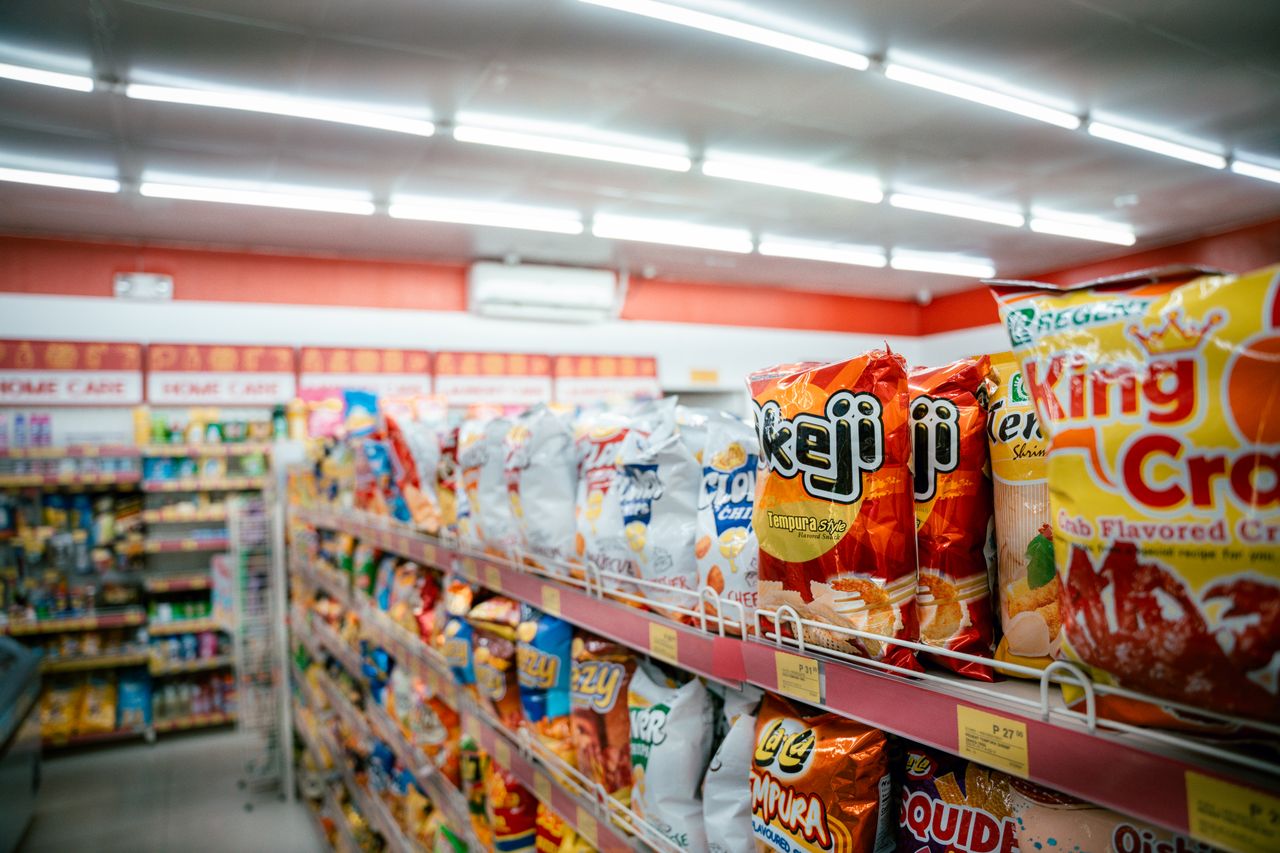
Grocery prices remain a pressure point for U.S. households, and retailers continue to rely on in-store promotions and display tactics to influence what shoppers buy. One of the most visible examples is the supermarket endcap, the display at the end of an aisle that many shoppers associate with a special bargain. Industry research and consumer guidance show that assumption is not always supported by the actual shelf price.
Endcaps are premium selling space, not automatic markdown zones
In grocery retailing, the end of the aisle is not just extra shelving. It is premium merchandising space used to capture shopper attention and increase sales volume. Research cited in the Journal of Law and Economics describes slotting fees as payments manufacturers make to retailers for shelf space, while retail display analysis published through ScienceDirect notes that the amount paid for that space is often not publicly disclosed.
That helps explain why a large display does not automatically mean a lower price. The product may be there because a brand paid for visibility, because a retailer wants to move volume, or because the item fits a seasonal promotion. The placement itself is a marketing tool, not proof of a discount.
Retail data firms continue to describe displays as effective sales drivers. Circana stated in its analysis of in-store grocery displays that these setups are designed to maximize promotional impact on sales lift, while NielsenIQ has reported that impulse buying remains an important part of grocery shopping behavior. Those findings do not mean every endcap is overpriced, but they do confirm that the display is built first to sell.
The shopper impact is simple: compare the price, not the location
For customers walking a store in any U.S. market, what is confirmed is straightforward: an endcap can contain a true sale, a regular-price item, or a product positioned to encourage an unplanned purchase. What is not known in any given store, without checking the label, is whether that product beats the price in the main aisle, a store-brand equivalent, or another package size.
Consumer pricing guidance points to the same practical benchmark. The National Institute of Standards and Technology’s unit pricing guide says unit pricing is one of the clearest tools shoppers can use to compare value across brands and package sizes. In practice, that means the price per ounce, pound, or count may tell a different story than a large sign or prominent display.
Federal oversight also focuses on price accuracy rather than display location. The Federal Trade Commission has said retail food stores cannot advertise prices for products unless those items are available at or below the advertised price. That rule addresses truthful advertised pricing, but it does not require an endcap item to be the best value in the building.
Why retailers use the strategy, and what customers should expect
The reason endcaps persist is that they work. According to FMI and NielsenIQ, in-store merchandising and promotional programs can change what shoppers pick up, including unplanned purchases in fresh departments. Circana has also said inflation has altered how consumers respond to promotions, making the structure of displays and multi-buy offers more important to retailers trying to protect volume.
That broader context matters because grocery stores are balancing supplier relationships, promotional funding, and shopper traffic at the same time. A brand may fund a display to win attention in a crowded category. A retailer may feature the item because the display is part of a larger weekly merchandising plan. Neither of those factors guarantees the lowest price for the shopper standing in front of it.
For customers, the practical takeaway is limited but factual: expect endcaps to remain a mix of real specials, convenience-driven placements, and paid promotions. The most reliable way to judge value is still to compare the posted shelf price and the unit price against similar items in the regular aisle, because the display itself only confirms visibility, not savings.
Понадобилось заменить силовой кабель для подключения оборудования, но оказалось, что вариантов очень много и разобраться в них не так просто. Одни советуют ориентироваться только на сечение, другие говорят, что не менее важны материал жил, тип изоляции и условия эксплуатации. Не хочется переплачивать, но и экономить на безопасности тоже не вариант. Подскажите, на что в первую очередь стоит обратить внимание при выборе силового кабеля и какие марки или производителей можете порекомендовать по своему опыту? Как правильно рсчитать нагрузку на кабель бшвнг