
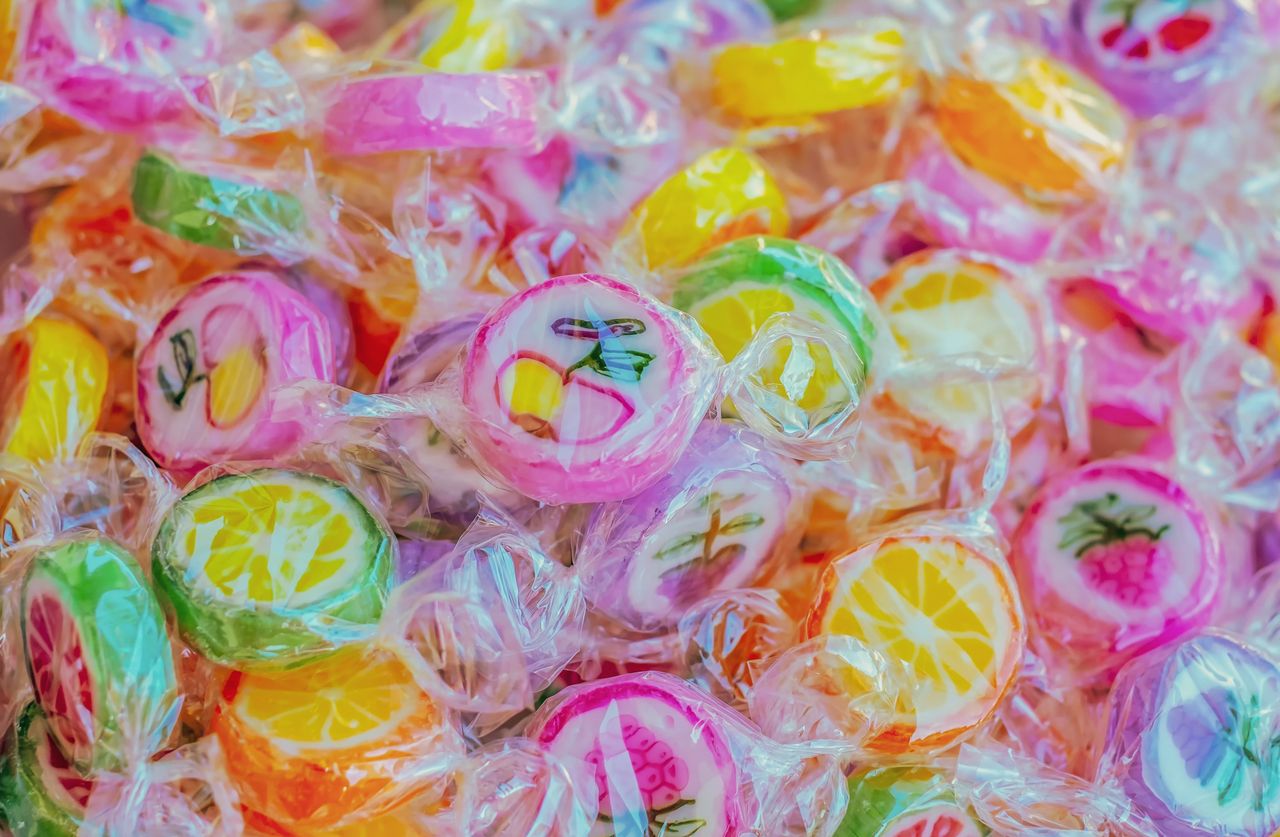
Some candies fade into memory. Others outlast empires, wars, and changing tastes, then quietly keep selling.
That is what makes the oldest surviving sweets so fascinating. They are not just relics of sugar history; they are living products that still turn up in tins, rolls, and shop jars today.
The oldest survivors were built on simple formulas that age well
Many of the candies that endured for centuries did so because they were based on extremely stable formulas: sugar, heat, flavoring, and patience. Hard candies and compressed sweets travel well, last longer than cream-filled confections, and can be made consistently across generations. That durability helped them survive long before modern packaging and refrigeration existed.
A striking example is Anis de Flavigny in Burgundy, France. The company says the candy has been made since 1591 in the former Benedictine abbey at Flavigny, with each sweet built around a single anise seed and coated in thin layers of flavored syrup. The brand describes itself as one of the oldest in France, and that continuity is exactly why the candy still feels more like a preserved craft than a novelty.
Traditional barley sugar belongs in the same conversation. The FDA has long maintained a formal definition for barley sugar candy, a reminder that this old-fashioned sweet was once common enough to need regulatory clarity. What began as a boiled sugar confection linked to older European candy making never truly vanished; it simply retreated into specialty shops, holiday assortments, and nostalgic hard-candy mixes.
Turkish delight, or lokum, followed a different path. Rather than surviving as a niche curiosity, it remained a working confection across multiple regions, from Turkey to Britain and beyond. Its starch-and-sugar structure, floral flavors, and giftable appearance allowed it to move from Ottoman-era sweetmaking into modern boxed candy culture without losing its identity.
Nostalgia helped, but brands also kept reinventing themselves
Survival was not just about age. Old candies stayed visible because manufacturers adapted packaging, portions, and branding while preserving the core experience people remembered. In confectionery, continuity matters, but so does shelf presence.
PEZ is one of the clearest examples. The company says PEZ began in Vienna in 1927 as a compressed peppermint candy, with its name drawn from the German word for peppermint, Pfefferminz. The candy changed shape early on into the familiar brick form still made today, and the brand now sells in more than 80 countries, proving that a nearly century-old sweet can remain current by turning the dispenser into part of the product.
British classics followed a similar script. Swizzels, founded in the early 20th century and still family-owned, continues to market heritage sweets including Parma Violets alongside newer products. That matters because Parma Violets, with their unmistakable floral profile, could easily have been dismissed as old-fashioned. Instead, they became a recognizable retro flavor that keeps reappearing for new generations.
Liquorice Allsorts also show how heritage and scale can coexist. Mondelēz still positions Bassett’s as a beloved UK sugar-confectionery brand, with Liquorice Allsorts remaining central to its identity. The lesson is simple: old candy survives when companies treat history as a commercial asset rather than a burden.
You can still find these candies because “old-fashioned” became a selling point
In today’s market, age itself can function as product value. Shoppers do not always want candy that feels futuristic; sometimes they want something that feels inherited. That demand supports the continued life of boiled sweets, floral tablets, anise candies, and liquorice assortments that might otherwise have disappeared decades ago.
Retail channels have changed the equation too. A candy that once depended on a village shop or pharmacy can now live through gift tins, museum stores, airport food halls, online specialty merchants, and supermarket nostalgia aisles. Even revived or protected brands benefit from the broader consumer appetite for foods with a story attached to them.
That is why these candies matter beyond sentiment. They show how food traditions survive when flavor, portability, and identity align. A sweet first popularized in a monastery, Victorian sweet shop, or early industrial factory can still compete if it offers something modern candy often does not: texture, restraint, and a strong sense of place.
So no, these candies never really disappeared. They simply moved from everyday staples to heritage treats, and in doing so, they found a second life that may prove even more durable than the first.