
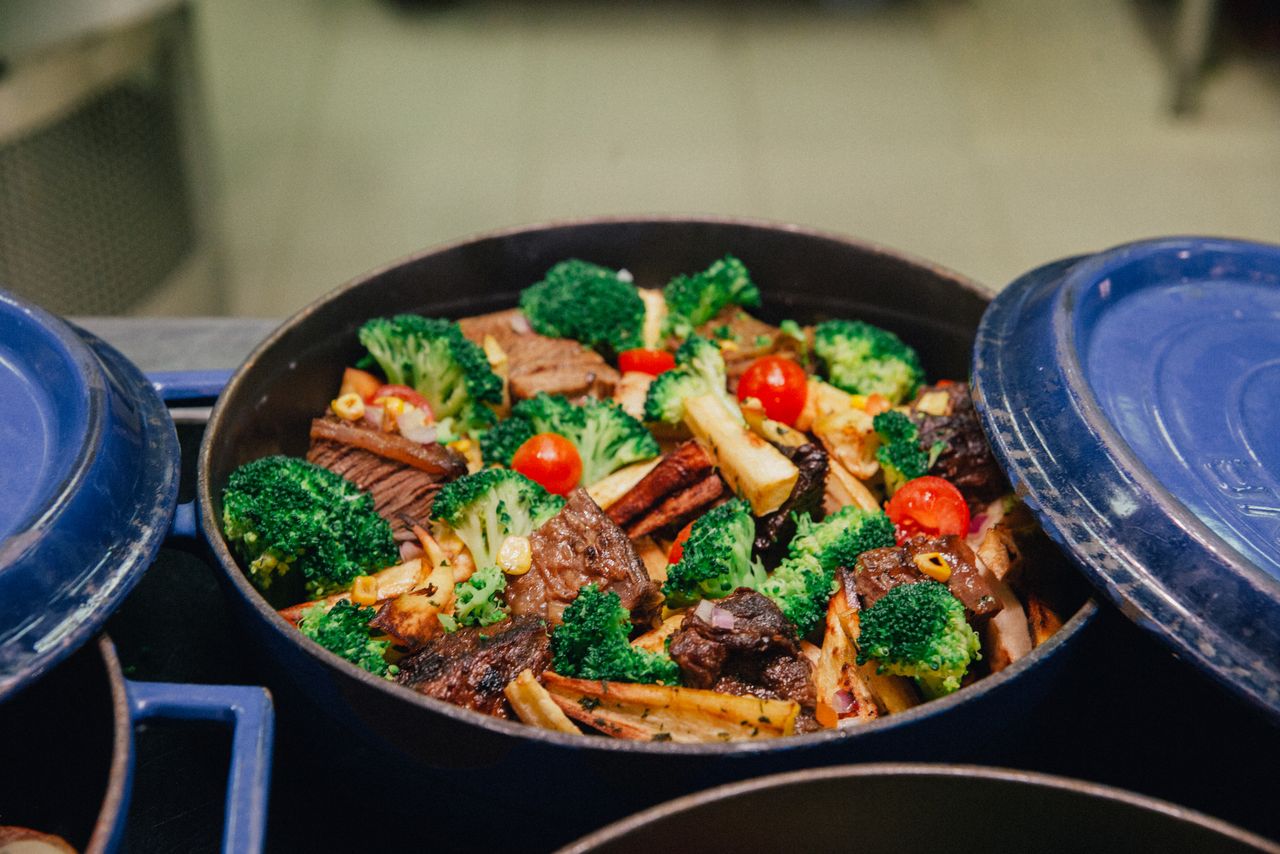
Weeknight cooking is easier when everything goes into one pot. The bigger win, though, is nutritional: these meals naturally combine fiber, protein, vegetables, and pantry staples in ways dietitians routinely encourage.
That matters because healthy eating is often less about perfection than repeatability. A well-built one-pot dinner makes the balanced choice the practical choice.
Why one-pot meals punch above their weight nutritionally
Nutritionists like one-pot dinners because they solve the biggest real-world barrier to healthy eating: friction. When vegetables, legumes, grains, and protein cook together, dinner becomes simpler to start and easier to finish, which increases the odds that people actually eat a balanced meal instead of assembling a plate from snack foods or takeout. The CDC recommends patterns built around fruits and vegetables, whole grains, legumes, nuts, seeds, and varied protein sources, and one-pot cooking naturally supports that approach.
These meals also make fiber easier to achieve. CDC guidance notes that adults should aim for 22 to 34 grams of fiber daily, yet many dinners still lean too heavily on refined grains and too lightly on beans, lentils, and vegetables. A pot of lentil chili, chickpea tomato stew, or barley vegetable soup helps close that gap without requiring separate side dishes or extra prep.
There is also a sodium and cost advantage when cooks start with pantry basics and season strategically. The American Heart Association advises choosing no-salt-added or low-sodium canned goods when possible, especially beans, tomatoes, broth, and vegetables. In practice, that means a one-pot dinner can be hearty, affordable, and heart-smarter at the same time.
The 9 dinners nutritionists keep coming back to
Bean and vegetable chili earns its reputation because it layers plant protein, fiber, and volume from tomatoes, onions, peppers, and beans. Lentil soup with carrots, celery, and greens is equally useful, especially for households that want a filling dinner built from inexpensive staples. Both meals align with guidance that emphasizes legumes as part of a healthy eating pattern.
Chicken, brown rice, and broccoli skillet dinners work because they combine lean protein, a whole grain, and a vegetable in one pan. Salmon with farro and spinach offers a different advantage: seafood plus whole grains plus leafy greens in a format that feels substantial without being heavy. Harvard Health’s overview of the Mediterranean diet highlights exactly these kinds of combinations—fish, legumes, vegetables, and whole grains—as core building blocks.
To round out the list, nutritionists often recommend chickpea curry, turkey and white bean stew, tofu vegetable quinoa skillet, minestrone, and one-pot whole-wheat pasta with tomatoes and spinach. Each meal follows the same formula: a high-quality protein source, a fiber-rich carbohydrate, and at least one generous vegetable. That structure helps with fullness, steadier energy, and better overall diet quality than a dinner centered on refined starch alone.
What makes these dinners healthier in real kitchens
The healthiest one-pot dinners are not defined by trend ingredients. They work because they rely on repeatable pantry habits: canned beans, tomatoes, frozen vegetables, oats, barley, brown rice, quinoa, and lower-sodium broth. The American Heart Association specifically recommends stocking many of those staples, noting that they can be mixed and matched into quick balanced meals.
Portion balance matters more than culinary complexity. A strong template is simple: fill the pot with vegetables first, add beans, lentils, tofu, chicken, or fish for protein, and use whole grains or starchy vegetables for staying power. That mirrors broader dietary advice to emphasize vegetables, whole grains, legumes, and varied proteins while limiting excess sodium, added sugars, and heavily processed ingredients.
The final reason nutritionists recommend these dinners is behavioral, not just biochemical. People are more likely to cook when the cleanup is manageable, the ingredient list is flexible, and leftovers reheat well the next day. In that sense, one-pot dinners do more than save time: they create a realistic system for eating well on ordinary nights, which is exactly where long-term nutrition habits are built.
Really when someone doesn’t know after that its up to other visitors that
they will help, so here it happens.