
Federal farm policy has been a flashpoint for years as contract growers, ranchers, processors and regulators have fought over how much protection producers should have in concentrated meat and poultry markets. That debate sharpened again this summer when the U.S. Department of Agriculture postponed a poultry payment rule and signaled it may unwind two related livestock and poultry protections adopted or advanced during the Biden administration. For growers who argued these measures were overdue, the rollback effort marks a major shift in how USDA is approaching fairness rules in the meat supply chain.
USDA delayed one rule and opened the door to scrapping two more
The specific action centers on three Packers and Stockyards Act measures. USDA’s Agricultural Marketing Service announced on May 28 that it delayed the effective date of the Poultry Grower Payment Systems and Capital Improvement Systems final rule from July 1, 2026, to Dec. 31, 2027, according to the agency’s public notice and AMS summary. That final rule had been published on January 16, 2025, and was designed to change how broiler growers are paid and what disclosures live poultry dealers must make before requiring capital upgrades.
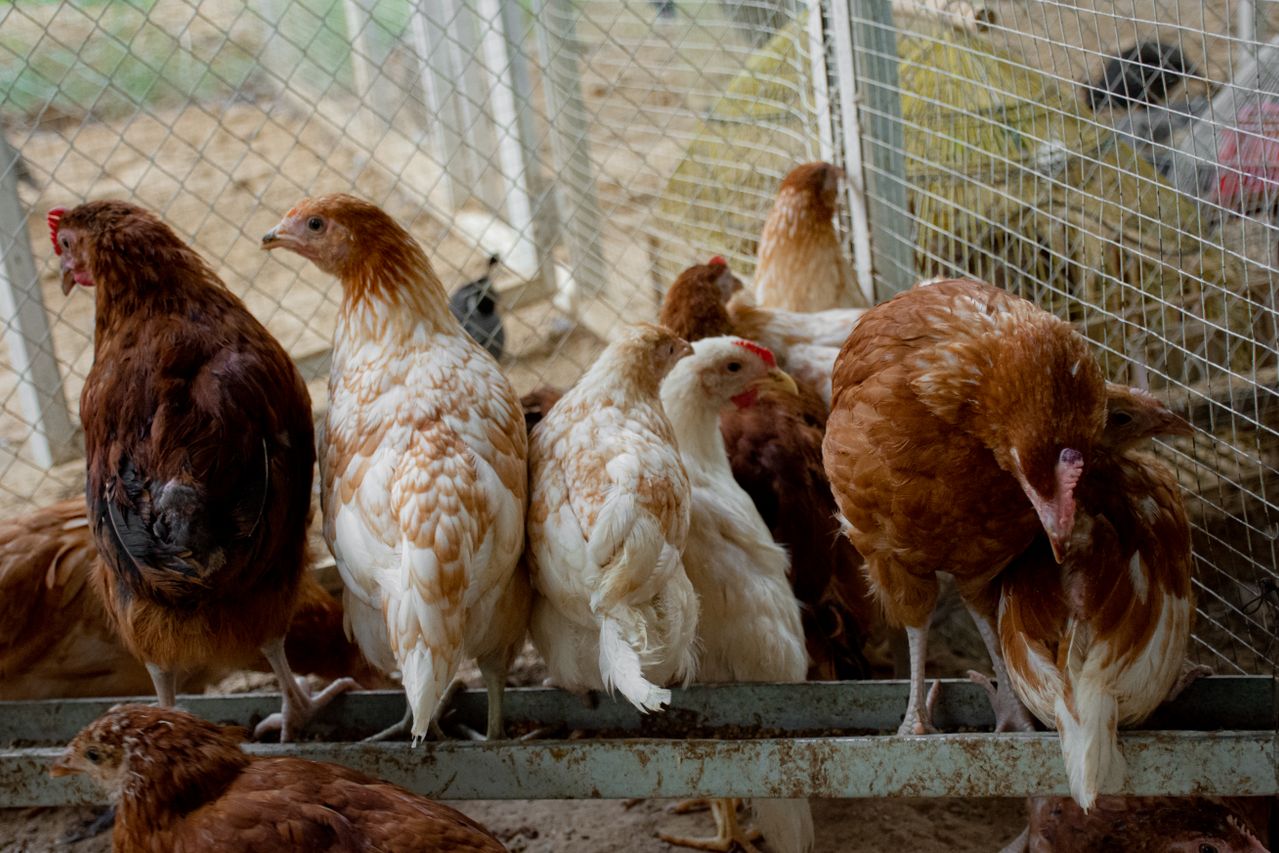
According to USDA, the poultry rule targets ranking or tournament-style payment systems used for growers raising chickens for meat. AMS said the measure would prohibit certain payment practices, require dealers to maintain fairer ranking systems and require disclosure of financial information when dealers ask growers to make investments that could affect grower returns. The agency said it received more than 2,800 comments on the delay proposal and cited estimated costs, policy concerns and legal issues raised by commenters in explaining the postponement.
USDA is also seeking to rescind the Enforcing Trust Rights rule and the Inclusive Competition and Market Integrity rule or proposal under the Packers and Stockyards Act, according to FoodNavigator’s July 7 reporting and USDA rulemaking materials. The Inclusive Competition and Market Integrity rule, which took effect on May 6, 2024, bars certain retaliatory, deceptive and discriminatory practices against producers and growers, according to AMS. The trust-rights measure was intended to establish procedures for enforcing statutory trust protections in dealer cases tied to nonpayment.
The impact is national, but growers still do not know every operation that may feel it most
This is a national regulatory story, not one limited to a single state or city, because the affected rules apply across livestock and poultry markets governed by the Packers and Stockyards Act. The poultry payment rule applies to broiler growers working with live poultry dealers, and the broader competition and trust-rights actions reach producers and sellers in markets where payment disputes, retaliation claims and contract conflicts can arise. USDA has not released a state-by-state list of growers or operations that would see the biggest immediate compliance change from the delay.
What is confirmed is that the delayed rule was aimed at poultry compensation systems and capital-improvement demands that growers have said can leave them with heavy debt and little negotiating power. AMS materials describe requirements tied to contracts, disclosures and oversight of payment variability. What is not yet known is whether USDA will keep part of the rule, revise it again before Dec. 31, 2027, or fully withdraw it after the added review period.
The same uncertainty applies to the other two measures. USDA has signaled its intent to rescind them, but the agency’s final decisions will depend on the federal rulemaking process, including public comment and subsequent notices. That means growers, dealers, livestock sellers and industry groups still do not have a final map of which protections will remain in force long term and which ones may be removed.
The fight reflects long-running disputes over market power, contract terms and federal oversight
The cause behind the rollback effort is laid out differently depending on the source. USDA said the delay aligns with congressional direction and gives the agency time to consider the significant estimated costs, policy questions and legal issues raised by commenters on the poultry payment rule. Supporters of the delay, including the National Chicken Council, said USDA’s move gives the department more time to review a rule they opposed before it took effect.
Advocacy groups read the move very differently. Food & Water Watch said the three rules were meant to protect livestock and poultry producers from discriminatory, retaliatory and deceptive trade practices and warned that rescinding them would benefit dominant meat corporations over farmers and ranchers. In its statement cited by FoodNavigator, the group tied the fight to consolidation in meat and poultry, saying four companies control about 85% of the beef market and 60% of the chicken market.
For farmers and growers, the practical takeaway is that existing and proposed guardrails are now less certain than they were at the start of 2026. The delayed poultry rule will not take effect on July 1, 2026, and instead is set for Dec. 31, 2027, unless USDA changes course again. The broader competition and trust-rights measures remain part of an active federal policy fight, with USDA indicating further review rather than immediate expansion of enforcement.
Your ability to distill complex concepts into digestible nuggets of wisdom is truly remarkable. I always come away from your blog feeling enlightened and inspired. Keep up the phenomenal work!