
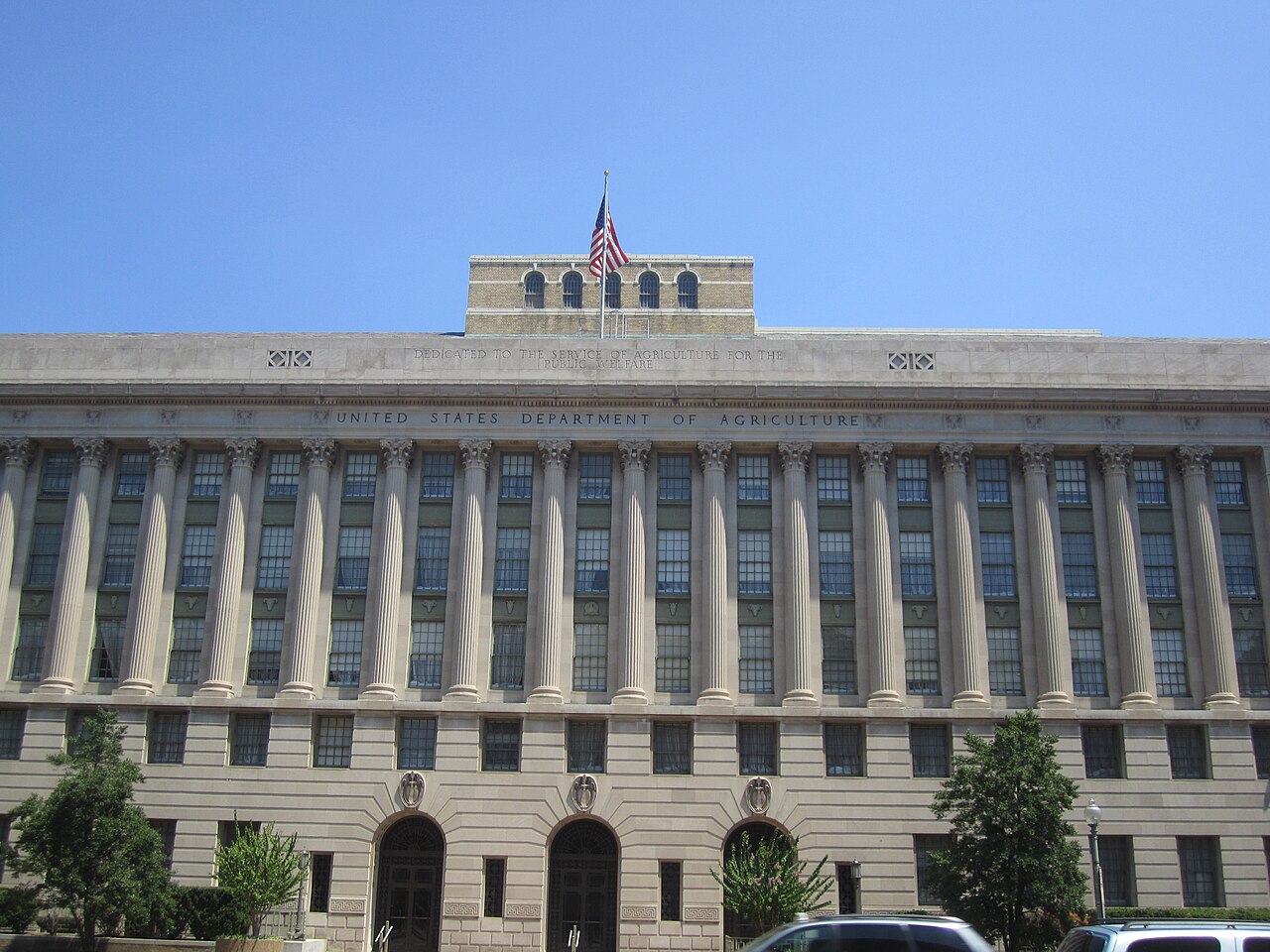
Fertilizer remains one of the most important and volatile costs in the U.S. food supply chain, affecting farm production and, ultimately, grocery prices nationwide. On July 8, the U.S. Department of Agriculture said it is opening a new $500 million funding round for the domestic fertilizer sector through its Fertilizer Investment & Expansion for Long-term Domestic Supply program. The move is aimed at an industry USDA has repeatedly tied to supply-chain vulnerability, limited competition, and high input costs for farmers.
USDA formally opened the new $500 million application round
The U.S. Department of Agriculture announced on July 8 that it is accepting applications for the Fertilizer Investment & Expansion for Long-term Domestic Supply, or FIELDS, Program, with $500 million in awards available, according to the agency’s Rural Development division. USDA said the Commodity Credit Corporation is using Rural Business-Cooperative Service to administer the funding.
According to USDA, the money is intended to expand domestic production capacity, promote competition, strengthen supply-chain resilience, and increase fertilizer availability for farmers producing agricultural commodities. The agency said eligible applicants include tribes, tribal entities, Alaska Native corporations, for-profit and nonprofit entities, producer-owned cooperatives, certified benefit corporations, and state or local government entities. Private applicants must be independently owned and operated, USDA stated.
USDA said individual competitive cost-share awards will range from $15 million to $150 million, and matching funds are required. The agency also said priority will go to projects that are farther along in development, technically feasible, financially viable, and already backed by other funding sources. Electronic applications are due by 11:59 p.m. on August 17, 2026, according to the program announcement.
The program is national, but the local project list is not yet public
For states and local communities, the immediate effect is that fertilizer manufacturers, cooperatives, and other eligible organizations can now apply for federal backing for expansion projects. USDA said projects may include upgrades to existing facilities, construction of new domestic production sites, shovel-ready supply increases, and fertilizer terminals or transportation infrastructure designed to improve distribution efficiency.
What is not yet known is which states, regions, or individual communities will receive awards from this round. USDA has not released a list of applicants, proposed project sites, or expected state-by-state funding totals. That means there is not yet a confirmed breakdown showing whether the money will disproportionately benefit the Midwest, Plains, Gulf Coast, or other major farm and fertilizer corridors.
The national structure of the program still offers some clues about where impact could emerge. Because USDA is prioritizing later-stage, financially viable projects, communities that already have industrial fertilizer assets, distribution terminals, or expansion-ready production plans may be better positioned to compete. But until awards are announced, USDA has not confirmed which local facilities, if any, will move forward under this 2026 application window.
USDA says the funding is meant to address competition and supply-chain weaknesses
USDA has framed the fertilizer initiative as a response to persistent structural issues in the market, not a one-off price problem. On the FIELDS program page, the agency says the goal is to expand or bring online new independent domestic fertilizer production capacity, giving agricultural producers more options and strengthening the U.S. fertilizer supply chain.
That rationale aligns with prior USDA work on fertilizer competition and supply concerns. In earlier agency materials tied to the fertilizer expansion effort, USDA cited concentrated market power and the need for more independent supply options. The department’s Economic Research Service has also reported that U.S. fertilizer production and consumption operate within a global market, while limited domestic production capacity and shifting supply-and-demand conditions can affect prices paid by farmers.
For customers and residents, the practical takeaway is that this announcement does not change fertilizer availability overnight. It opens a funding window that could support new plants, expansions, and distribution infrastructure over time if projects are selected and built. For food producers and the broader supply chain, USDA’s position is that more domestic and independent capacity could help improve resilience, even though the agency has not yet named the specific communities that will see that investment first.