
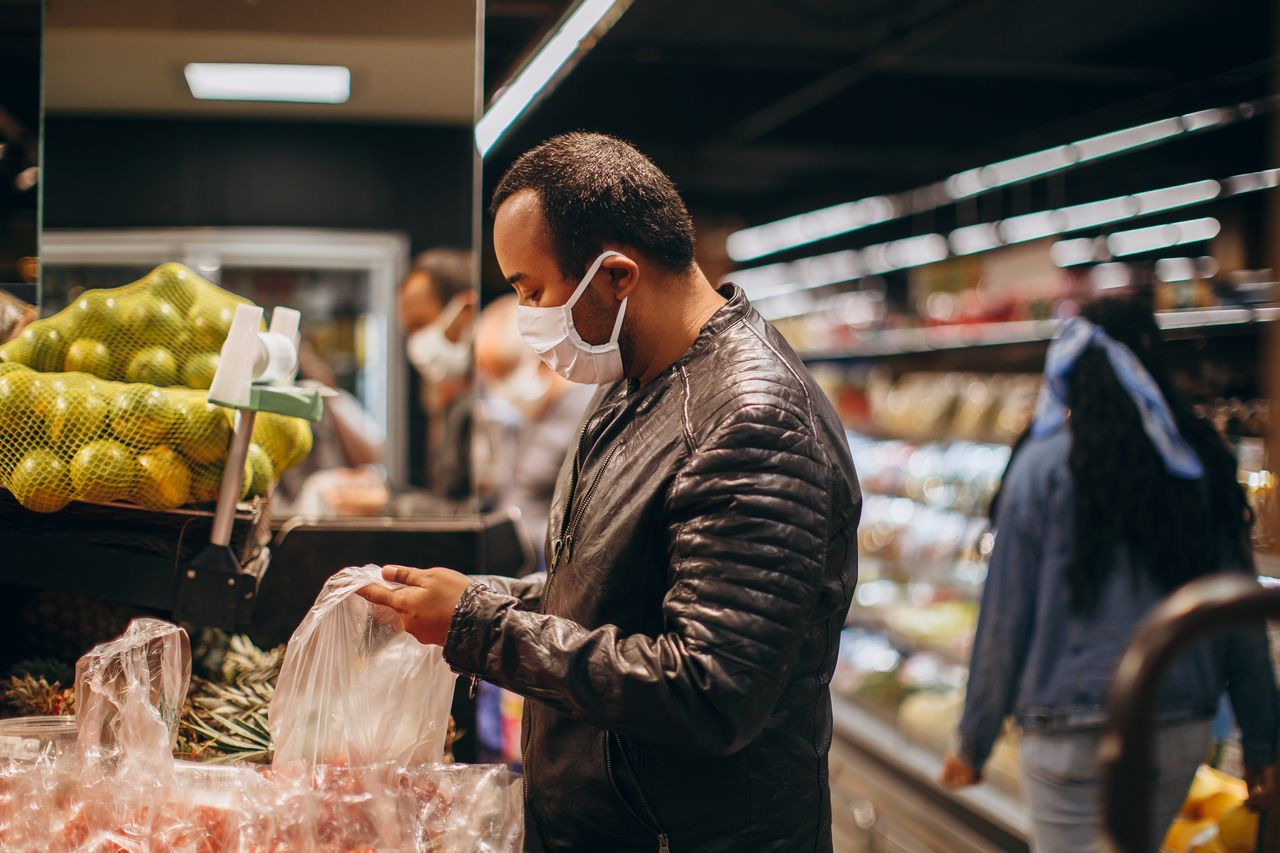
Grocery retailers across the U.S. are reworking how they manage in-store traffic as labor costs, digital promotions, and margin pressure reshape the economics of a supermarket trip. The push is not tied to a single chain or a single state, but to a broader industry pattern in which stores benefit when more customers shop later in the day. That helps explain why more shoppers are seeing evening-only markdowns, digital deals, and quieter stores after 8 p.m.
Grocers are using late-day promotions and operations to shift when customers shop
The clearest confirmed change is not a nationwide curfew or a formal new shopping policy, but a set of retail tactics designed to spread traffic beyond the traditional morning rush. FMI, the Food Industry Association, said on May 20, 2026, that 77% of grocery shoppers use digital technology before shopping and 71% use it while shopping, underscoring how stores can now push offers at specific times of day. Industry groups and retail analysts have tied those tools to a broader effort to shape trip timing, especially when stores want to smooth in-store demand.
That matters because store economics have become tighter. The National Grocers Association said in its 2024 Independent Grocers Financial Study that labor and benefits rose to 15.6% of sales, the highest level on record for the surveyed operators, while net profit fell to 1.4%. The same report said associate turnover reached 39.4% and 56% of independent grocers adopted self-checkout technology to improve efficiency.
In practice, later shopping helps retailers use leaner staffing models more effectively. When daytime crowds thin out and evening traffic is steadier, stores can process sales with fewer dedicated front-end workers than a concentrated morning rush would require. That is one reason supermarkets frequently pair loyalty offers, app-based coupons, and end-of-day markdowns with later shopping windows, according to industry research and trade reporting.
The impact is showing up in stores nationwide, but chain-by-chain details are limited
For shoppers, the most visible effect is often at the local store level: fewer checkout bottlenecks, more yellow-tag markdowns in meat and bakery cases, and more reliance on digital deals that can be redeemed later in the day. FMI said 54% of Americans report always shopping in-store at their primary grocery store, which means changes to store timing and promotions can still affect a large share of households even as online grocery grows.
What is not yet publicly confirmed is a comprehensive chain-by-chain map of which companies are explicitly targeting 8 p.m. shopping in which cities or states. Major grocers have not released a single national list of stores using evening-focused traffic strategies, and public reporting often describes the tactics in broad industry terms rather than by location. That means shoppers may notice the pattern in their own market without finding a formal announcement from a local banner.
Still, the operational logic is consistent across regions. NielsenIQ said in 2026 that inflation has reshaped shopping missions and foot-traffic patterns, while smaller, more frequent trips create more conversion moments. In other words, retailers have a financial reason to spread shopping across the day instead of absorbing one heavy morning surge, and evening visits fit that model.
The reason is a mix of labor pressure, perishables management, and trip psychology
One major driver is waste reduction in fresh departments. USDA’s Economic Research Service has said retail food loss occurs when grocers remove spoiled, damaged, or overstocked items from shelves, and its updated supermarket shrink research found average fresh meat, poultry, and seafood shrink at 16.8%. That helps explain why late-day markdowns on bread, deli items, produce, and proteins are so common: selling an item at a discount before closing is better than recording a full loss.
Another factor is the broader shift in how stores judge performance. NielsenIQ said in 2026 that frequency is becoming a key engine of fast-moving consumer goods growth and that inflation has changed where and how consumers shop. For retailers, a later trip is not just another sale; it can be a way to fill quieter hours, improve labor productivity, and capture impulse purchases during shorter, convenience-driven missions.
For customers, the practical takeaway is straightforward. Evening shopping can mean a calmer store and better odds of finding markdowns on perishables, but it also places shoppers in an environment designed to increase conversion and keep sales moving efficiently. Grocers have not presented late-night shopping as a formal national program, but industry data shows why stores have a clear business incentive to make those trips more common.
Ответственная игра — это стратегия к игровым развлечениям, базирующийся на самоограничении и осознании рисков.
Она подразумевает осознанное лимитирование времени и бюджета на игру.
Любой участник должен заранее определять пределы ставок и неукоснительно их придерживаться.
https://protivbed.ru/full-article/pravovye-aspekty-ispolzovaniya-slot-raketok-na-1win-problemy-i-podkhody-k-soblyudeniyu-trebovaniy-2017/
Super easy to get started and the layout is very clean. I love how straightforward everything is, no unnecessary fluff. xx7apk
I’ve been trying a few different sites lately and this one really stands out. The games load fast and the interface is super intuitive. Definitely my new favorite spot to unwind. Check out dadu44slot
Finally found a platform that gives real RTP data. It makes a huge difference when choosing which game to play. The app is smooth as butter too. rtp996app