
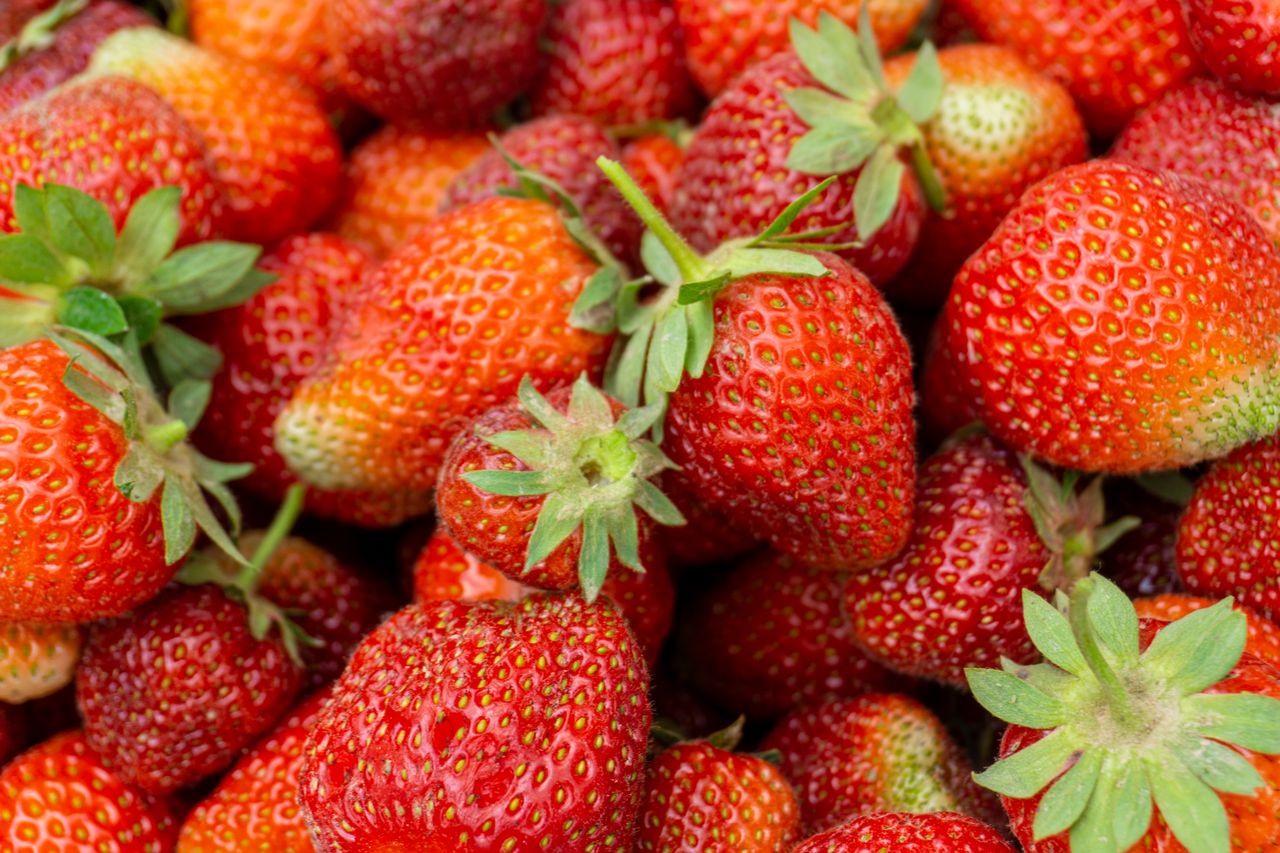
Strawberries can look perfect one day and questionable the next. That fast decline is exactly why one small warning sign matters so much.
If you spot mold on a strawberry, it is time to toss it immediately. With soft, high-moisture fruit like strawberries, mold is not something you can safely trim away and ignore.
The one sign you should never overlook
The clearest red flag is visible mold, whether it appears as white fuzz, gray growth, or a greenish patch near the cap or on the side of the berry. According to USDA food safety guidance, high-moisture foods with mold should be discarded because contamination can spread below the surface, even when only one spot is visible. That advice matters more with strawberries than with firmer produce like carrots or cabbage, where cutting away a small area may sometimes be acceptable.
Strawberries are delicate, porous, and easily bruised, which gives mold a head start. USDA explains that mold grows with root-like threads that can penetrate food more deeply than the eye can see. FDA also notes that the safest practice with moldy food is to discard it, not salvage it. In practical terms, a berry that looks only slightly affected may already be compromised throughout.
That is why experts often warn shoppers against buying a container with even one moldy berry inside. Illinois Extension advises checking packages carefully because if one berry is molded, spores may already have spread through the package. For a fruit that is stored cold but still highly perishable, visible mold is the point where caution should outweigh thrift.
Why strawberries go bad so quickly
Strawberries have a short shelf life because they contain a lot of moisture and have a thin, tender skin that bruises easily. Once bruised, they become more vulnerable to spoilage organisms, including molds. FDA’s produce safety advice groups strawberries among the perishable fresh items that need refrigeration at 40° F or below, underscoring how quickly quality and safety can slip when storage is sloppy.
The problem is not just appearance. Some molds can cause allergic reactions or respiratory irritation, and certain molds may produce harmful substances called mycotoxins under the right conditions, according to FDA and USDA. While not every moldy strawberry carries the same risk, food safety guidance does not ask consumers to identify mold species at home. The recommendation is simple because the consequences of guessing wrong are not worth it.
Strawberries also deteriorate as moisture collects in the container. One leaky or crushed berry can accelerate spoilage in the rest. USDA grading standards for strawberries emphasize fruit that is free from mold, decay, and badly crushed berries, which reflects how closely texture damage and microbial spoilage are linked from harvest through retail handling.
How to buy and store strawberries more safely
The best defense starts at the store. Choose containers with dry, bright berries and no visible fuzz, leaking juice, or collapsed fruit. FDA advises consumers to examine produce carefully before buying, and extension guidance consistently recommends skipping any package that contains even one molded berry. A bargain carton is not a good deal if spoilage is already underway.
At home, refrigerate strawberries promptly and keep them cold. FDA recommends storing perishable produce in a clean refrigerator at 40° F or below. Hold off on washing until just before eating, because extra moisture can shorten shelf life. If the container includes a bruised berry but no mold, remove it quickly so it does not hasten spoilage in the others.
Finally, do not sniff moldy berries to judge whether they are still usable. USDA specifically advises against smelling moldy food, since that can trigger respiratory trouble. If you find fuzz on a strawberry, discard the affected fruit and inspect nearby berries carefully. When mold is visible, the safest kitchen habit is also the simplest one: toss first, replace later.