
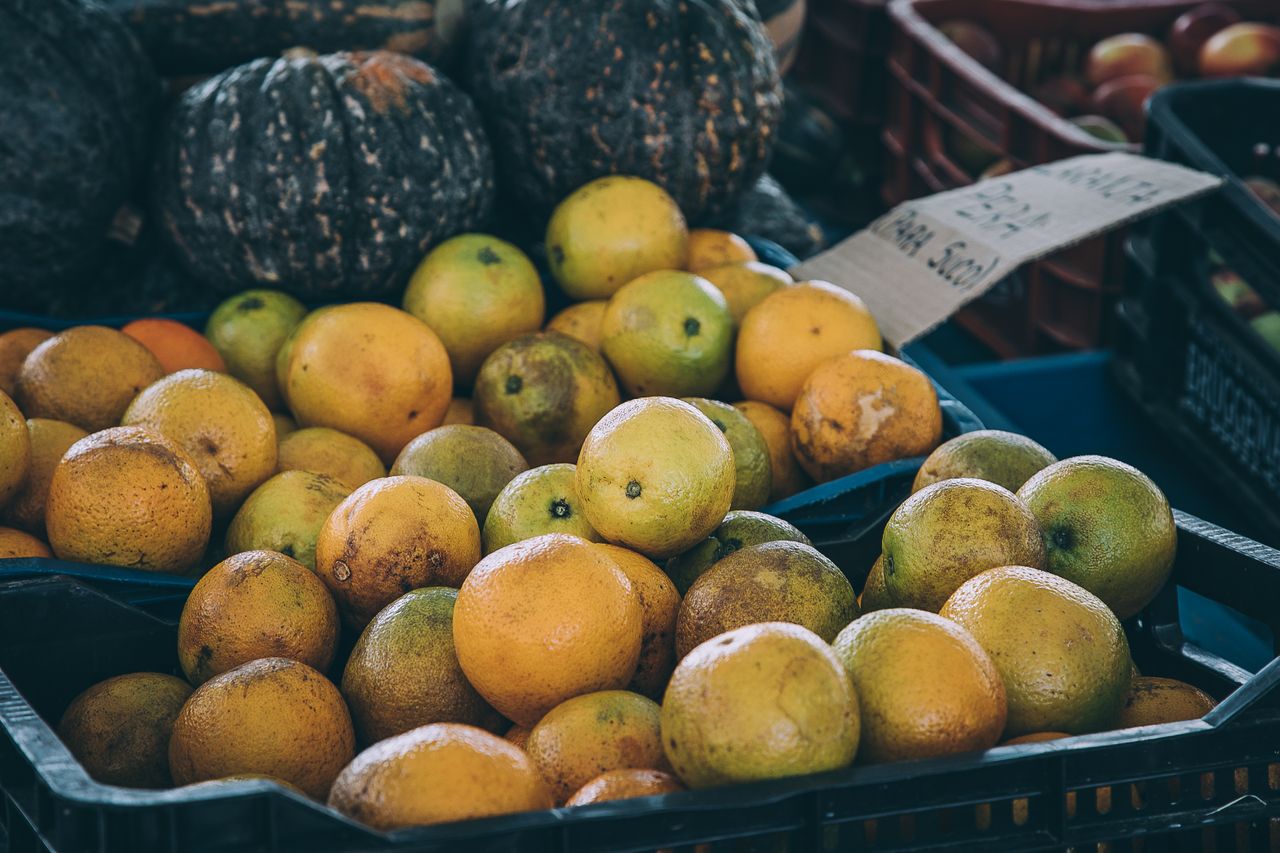
Food waste remains a major national issue in the United States, with federal agencies and food-rescue companies pointing to large volumes of edible food that never reaches consumers. Within that broader trend, families are increasingly buying discounted boxes of cosmetically imperfect produce and surplus groceries through companies such as Misfits Market.
Food-rescue grocery companies are turning rejected produce into lower-cost weekly orders
The shift is centered on a simple retail idea: produce that stores or distributors might reject for cosmetic reasons can still be sold to households at lower prices. USDA says food waste in the United States is estimated at 30% to 40% of the food supply, and the agency notes that at the retail level, culling blemished produce is one source of food loss. That has helped create room for companies that buy “seconds” and resell them directly to consumers.
Misfits Market has become one of the better-known names in that business. The company says customers help save an average of 5.01 pounds of food from waste or lesser outcomes with every order, based on its 2023 customer-order average. Misfits Market also says its model is built around sourcing food that may be surplus, overstocked, or cosmetically imperfect.
The company’s scale has continued to grow. TechCrunch reported on May 30, 2025, that Misfits Market acquired delivery startup The Rounds, its second acquisition after buying Imperfect Foods in 2022. That deal showed that the rescued-food and discount-grocery category is moving beyond a niche produce-box concept into a broader grocery platform aimed at budget-conscious households.
The impact is broad, but company-specific local savings data is still limited
For families, the appeal is straightforward: lower produce costs, home delivery, and a way to buy fruits and vegetables that still meet eating-quality standards even if they do not look uniform. Consumer Reports previously found that the category’s pitch to shoppers centered on savings that could reach up to 50% on some fruits and vegetables, though actual value can vary by market, order mix, and what a shopper would otherwise buy at a local store.
What is confirmed is that food-rescue grocery services now market themselves as both affordability tools and waste-reduction tools. Misfits Market says its business offers “big savings,” and its 2025 impact materials say the company continues to frame rescued food as part of a lower-cost grocery model. The company also reported donating more than 200,000 pounds of rescued food during a SNAP-related disruption period in fall 2025.
What is not publicly clear is how savings break down by state, city, or metro area. The company has not released a comprehensive public list showing average household savings in specific states, and broad national reporting does not provide a verified city-by-city map of where families are saving the most. That means local readers can verify the general trend, but not a confirmed rank order for their own market.
Inflation, landfill pressure and supply-chain waste are driving the model’s growth
The broader context is a mix of household budget pressure and waste concerns. The original reference material for this topic pointed to produce savings of up to 40% compared with standard supermarket pricing, reflecting how lower wholesale prices for cosmetically imperfect produce can be passed along to shoppers. That kind of discount has become more relevant as grocery inflation has pushed families to compare produce costs more closely.
Federal environmental data also helps explain why the model has drawn attention. EPA says food was the single most common material sent to municipal solid waste landfills in 2019, accounting for more than 24% of landfill-bound material. EPA also says wasted food in landfills contributes to methane emissions, giving food-rescue and redistribution businesses an environmental argument alongside the pricing pitch.
For customers, the practical takeaway is that these programs are not selling spoiled food; they are generally selling food that may be misshapen, surplus, or outside conventional retail appearance standards. The exact savings will vary by order and market, but the category’s continued expansion, including Misfits Market’s May 30, 2025 acquisition activity, suggests retailers still see strong demand for lower-cost grocery options built around food that once had a high chance of being discarded.
CRAZY Emily Willis IN FRESH CONTENT — VIEW RIGHT NOW
INTELLIGENT ALGORITHM SELECTS THE BEST VIDEO FAST
UPDATED EVERY DAY • JUST PEEK — DON’T MISS IT
https://natashki.com/ – WATCH FULL >>>