
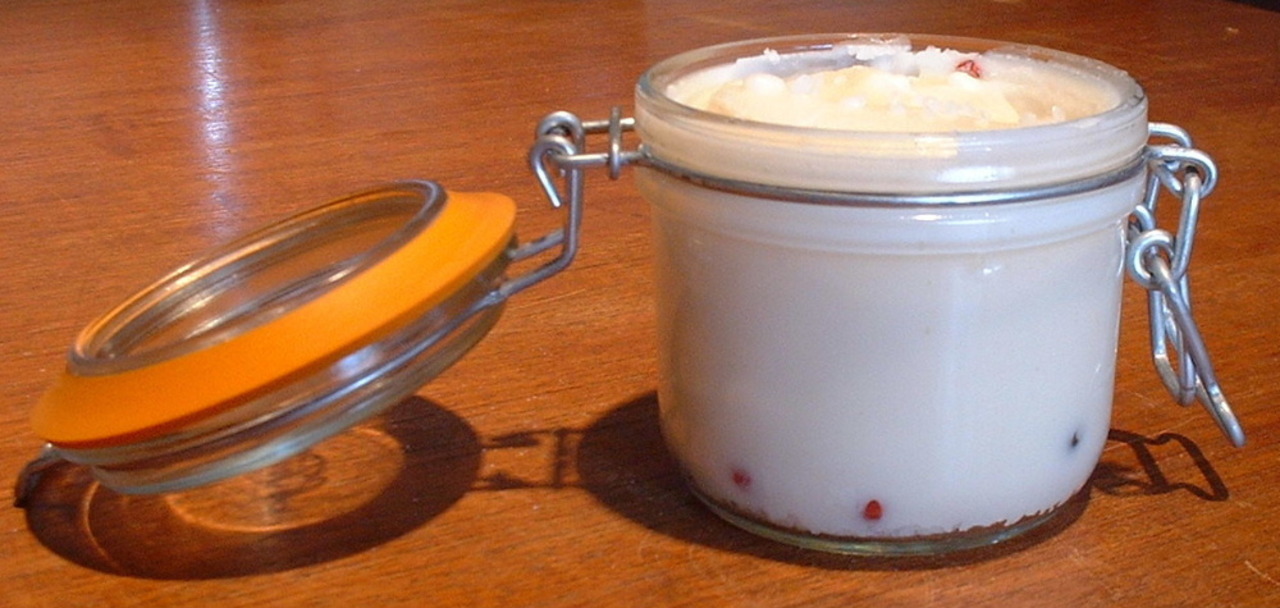
It was once a kitchen staple, then a dietary villain, then a near relic. Now beef tallow is back in force.
The rendered fat your grandparents used for frying, roasting, and pie crusts is showing up again in restaurant kitchens, grocery aisles, and even skincare jars.
Why beef tallow is suddenly everywhere again
Beef tallow is simply rendered beef fat, traditionally made by slowly melting and straining fatty trimmings or suet into a shelf-stable cooking fat. It was a practical staple for generations because it delivered flavor, crisp texture, and dependable performance at high heat. Tallow also has a relatively high smoke point, around 400°F, which helps explain why it long held a place in frying and roasting.
Its return is being driven by several forces at once. Restaurants are leaning into old-fashioned frying fats for richer flavor, while home cooks are rediscovering nose-to-tail thrift and more traditional pantry habits. Industry observers at US Foods, citing Technomic, have pointed to projected menu growth for beef tallow, a sign that the ingredient is moving from niche butcher-counter item to broader food-service trend.
There is also a strong nostalgia factor. McDonald’s famously cooked fries in a beef tallow blend before switching to vegetable oil in 1990 amid public pressure over saturated fat. That history still shapes the mythology around “better-tasting old fries,” and it helps explain why modern chains such as Steak n Shake have leaned into tallow again for their fries as a point of difference.
What chefs and shoppers like about it
For cooks, the appeal is straightforward: beef tallow tastes like something. It adds a savory depth that neutral vegetable oils do not, and it can produce especially crisp potatoes, roasted vegetables, and seared meats. In an era when diners increasingly value distinctive flavor and ingredient stories, that matters.
Tallow also fits neatly into the broader “whole animal” ethos that has influenced butchers, chefs, and sustainability-minded shoppers. As National Geographic reported in 2025, some experts see tallow’s revival as part of a larger effort to use more of the animal rather than waste edible byproducts. That framing gives tallow a practical and ethical narrative beyond simple retro appeal.
The ingredient’s rise has spread beyond cooking. In 2025, beef tallow became a conspicuous skincare trend on social platforms, where influencers pitched it as a natural moisturizer and ancestral remedy. Dermatologists interviewed by National Geographic, Vogue, and other outlets said the fascination reflects a wider turn toward minimalist, “clean,” and traditional-sounding products, even when the science behind the claims remains limited.
The catch: old-fashioned does not automatically mean healthier
Tallow’s comeback does not erase the nutrition debate that pushed it aside decades ago. The American Heart Association continues to advise replacing saturated fats with unsaturated fats when possible, and Mayo Clinic similarly notes that swapping saturated fat for healthier fats can improve cholesterol profiles and lower heart disease risk. In other words, beef tallow may be useful in the kitchen, but it is not a free pass nutritionally.
That same caution applies to the skincare craze. Dermatologists have warned that beef tallow may clog pores for some people, especially those prone to acne, and there is still little strong clinical evidence supporting the sweeping claims made online. Cleveland Clinic and other medical experts have advised consumers to treat it as a trend, not a miracle.
So why is beef tallow everywhere again? Because it sits at the intersection of flavor, frugality, nostalgia, and internet-fueled “ancestral living.” Your grandparents used it because it was practical. Today’s cooks are reaching for it because it feels authentic, tastes rich, and tells a story modern food culture finds hard to resist.