
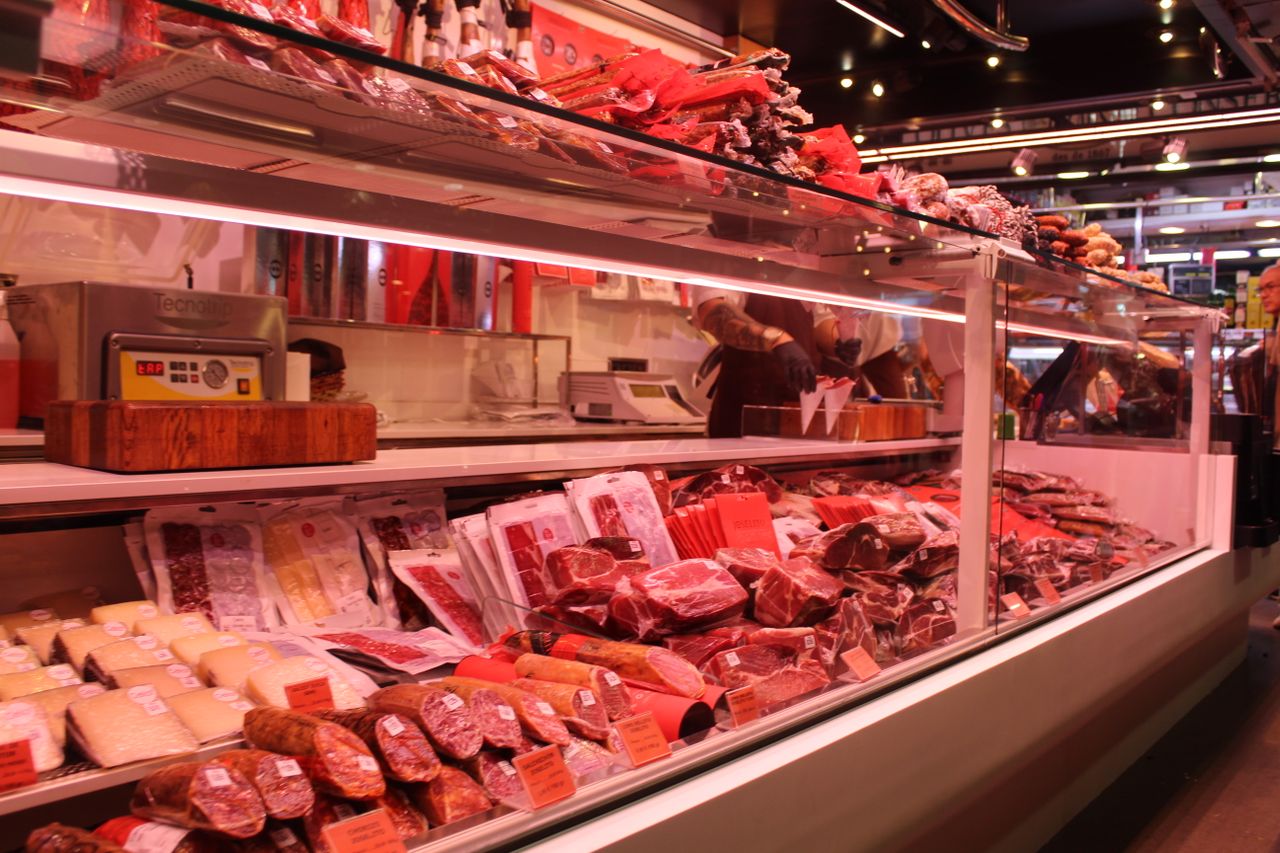
Most people do not think of lunch meat, burgers, or sugary drinks as cancer-related foods. But a growing body of evidence suggests some weekly staples may raise colon cancer risk more than many Americans realize.
Processed meats remain the clearest dietary red flag
Among the strongest food-related links to colon cancer is processed meat. That category includes bacon, sausage, hot dogs, deli turkey, ham, salami, and many packaged sandwich meats that appear in American kitchens every week. The International Agency for Research on Cancer classified processed meat as carcinogenic to humans after reviewing evidence tying regular intake to colorectal cancer.
The concern is not only the meat itself, but what happens during processing. Curing, smoking, salting, and adding preservatives such as nitrates and nitrites can lead to compounds that may damage cells in the colon. When these foods are eaten often, especially over years, researchers believe the cumulative effect matters far more than any single serving.
Red meat also deserves attention, especially when intake is high and frequent. Beef burgers, steaks, and meat-heavy dinners are deeply woven into American eating habits, and multiple large studies have linked higher consumption of red meat with increased colorectal cancer risk. The risk appears to rise further when meat is charred or cooked at very high temperatures, which can create potentially harmful chemicals.
Real-world eating patterns help explain why this issue is often overlooked. A breakfast sandwich, deli lunch, and grilled dinner can stack exposures in a way that feels normal rather than excessive. For many families, these foods are convenient, affordable, and familiar, which is exactly why public health experts continue to focus on them.
Sugary drinks and ultra-processed foods may worsen the picture
Soft drinks, sweet teas, energy drinks, and other sugar-sweetened beverages have also drawn concern. A 2021 study in Gut found that women who consumed higher amounts of sugary drinks in adolescence and adulthood had a greater risk of early-onset colorectal cancer. Researchers have pointed to insulin spikes, weight gain, and chronic inflammation as possible pathways linking these drinks to cancer development.
Ultra-processed foods are another major issue because they dominate the modern American diet. Packaged snack cakes, chips, frozen meals, instant noodles, flavored crackers, and many fast-food items often contain refined starches, additives, emulsifiers, and excess sodium. Studies published in recent years have associated higher intake of ultra-processed foods with elevated colorectal cancer risk, particularly in men in some cohorts.
These foods may affect the body in several ways at once. They tend to displace fiber-rich foods that support a healthier gut microbiome, while also promoting obesity, which is a known risk factor for colorectal cancer. Some researchers are also investigating whether certain additives and packaging-related chemicals may contribute to intestinal inflammation.
What makes this especially important is how ordinary these products have become. A soda with lunch, packaged snacks in the afternoon, and frozen convenience foods at night can form a routine that feels harmless. Over time, however, that pattern may be exactly the kind experts worry about.
The bigger risk is dietary pattern, not one “bad” food
No doctor is saying that eating a hot dog at a ballgame or drinking a soda at a party guarantees colon cancer. The evidence points instead to repeated exposure and overall dietary pattern. Risk rises when processed meats, red meat, sugary drinks, and ultra-processed foods crowd out beans, vegetables, fruit, and whole grains.
Low-fiber eating is a major part of this story, even though it often receives less attention than processed meat. Diets low in fiber can slow digestion and reduce production of beneficial short-chain fatty acids in the colon. That matters because fiber helps support bowel regularity, nourishes healthy gut bacteria, and may reduce contact time between potential carcinogens and the intestinal lining.
Experts increasingly recommend practical substitution rather than perfection. Swapping deli meat for roasted chicken, replacing some beef meals with beans or fish, and trading soda for water or unsweetened tea can meaningfully improve the overall pattern. Adding oats, lentils, berries, leafy greens, and whole grains may also help lower risk.
Colon cancer rates in younger adults have become a growing concern, making prevention more urgent. Screening remains essential, especially for people with symptoms or family history, but everyday food choices are one of the few risk factors most people can actually change. Quiet links matter when the foods involved are eaten every week.
Solid insights here. Presentation definitely impacts how long users stay on adult platforms
My site https://gay0day.com/tags/18-year-old/