
Fresh produce gets the halo, but the can aisle deserves more credit. In several cases, nutritionists quietly favor canned foods because processing locks in nutrients, improves availability, or makes healthy eating far easier on a busy weeknight.
Why canned can sometimes beat fresh
Canned foods are often packed within hours of harvest or processing, which helps preserve nutrients that can fade during transport and storage. The American Heart Association notes that canned fruits and vegetables can absolutely fit into a healthy diet, especially when shoppers choose no-salt-added or reduced-sodium options. That matters because “fresh” supermarket produce may already be days or weeks removed from peak quality.
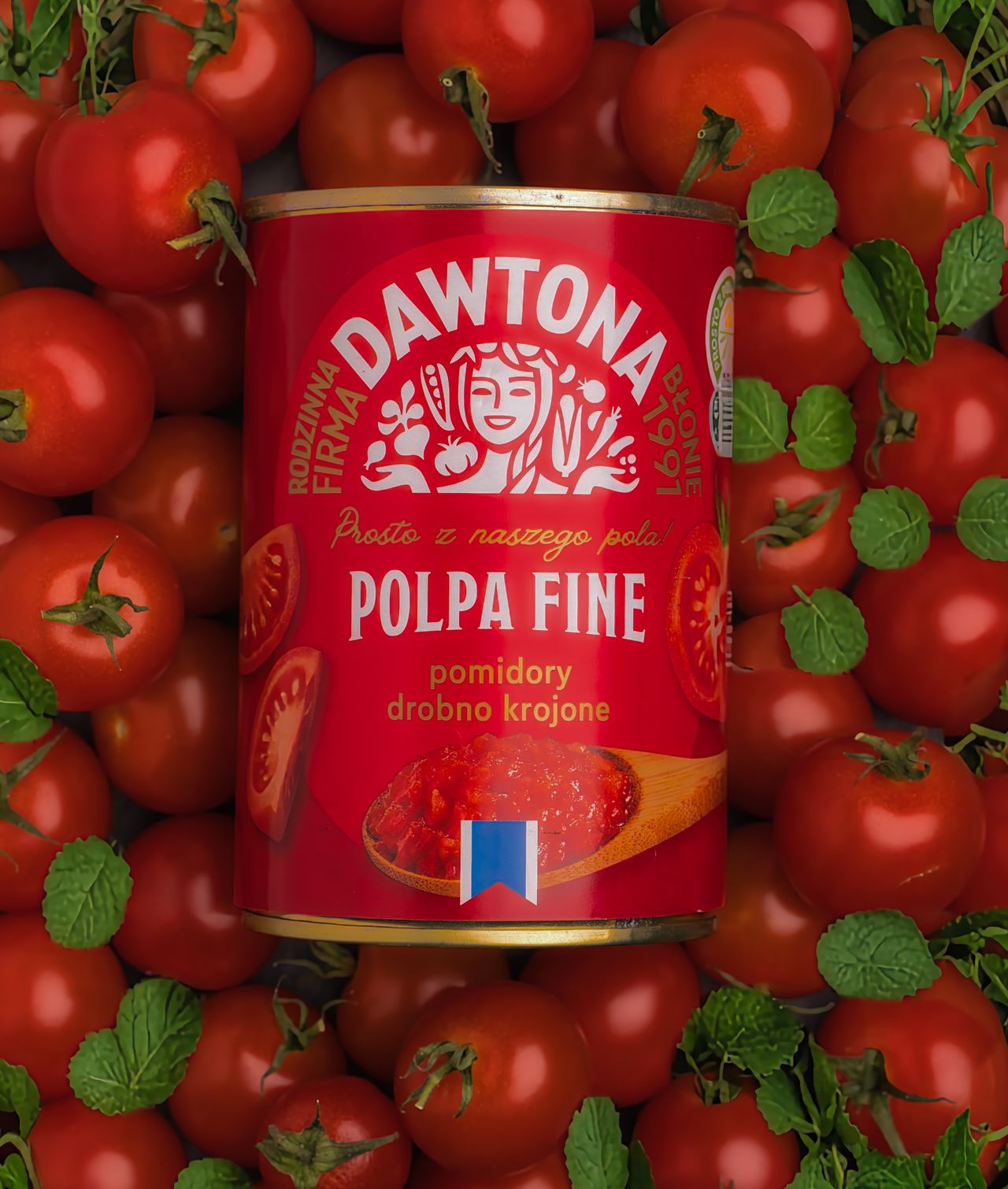
Tomatoes are the classic example. Many dietitians prefer canned tomatoes for sauces, soups, and braises because heat processing boosts the availability of lycopene, the antioxidant most associated with tomatoes. Fresh tomatoes still have value, of course, but canned crushed, diced, and whole peeled tomatoes can offer a nutritional edge when the goal is maximizing lycopene intake.
Pumpkin is another overlooked winner. Plain canned pumpkin is concentrated, consistent, and naturally rich in beta-carotene, the plant compound the body converts to vitamin A. It is also easier to use regularly than fresh pumpkin, which is bulky, seasonal, and often ends up as decorative produce rather than dinner. For shoppers who want reliable nutrition without prep work, canned simply makes the healthier choice easier.
The 7 cans experts reach for most
First are canned beans: black beans, chickpeas, cannellini beans, and lentils. They deliver fiber, plant protein, iron, and potassium at a very low cost, and they remove the soaking and long simmering that keeps many people from eating legumes often enough. Nutrition professionals routinely recommend rinsing them to reduce sodium while keeping the nutritional payoff high.
Second and third are canned tomatoes and canned pumpkin, both pantry workhorses with unusually strong nutrition cases. Fourth is canned salmon with bones, which offers protein, omega-3 fats, and meaningful calcium because the softened bones are edible. USDA data on canned salmon show it can provide a notable share of daily calcium needs, something fresh fillets do not match unless bones are eaten too.
Fifth is canned sardines, a food many shoppers skip despite strong support from heart-health experts. Harvard Health has highlighted smaller fish such as sardines as a smart seafood choice, and canned versions are widely available and budget-friendly. Sixth is canned corn, which is often picked and packed at peak ripeness, preserving sweetness and nutrients better than tired ears sitting in produce bins. Seventh is canned peaches or pears packed in juice, not syrup, which can be more nutritious than underripe imported fruit that never fully develops flavor.
How to shop the can aisle like a nutritionist
The first rule is to read the label with more care than shoppers usually give fresh produce. The FDA requires nutrition labeling on most canned foods, which makes it easier to compare sodium, added sugars, and serving sizes. Look for phrases such as “no salt added,” “reduced sodium,” “packed in water,” or “packed in 100% juice,” and avoid products loaded with heavy syrup or creamy sauces.
For canned fish, prioritize salmon and sardines for their EPA and DHA omega-3 fats. The NIH’s Office of Dietary Supplements identifies salmon and sardines among the richest seafood sources of these long-chain omega-3s. Sardines also bring iron, and both fish options offer shelf-stable nutrition that makes it far easier to eat seafood regularly instead of only when fresh fillets are available.
Finally, think of canned foods as tools for consistency, not compromise. A can of beans can turn into tacos in 10 minutes, canned tomatoes can anchor a deeply nutritious pasta sauce, and canned pumpkin can disappear into oatmeal, soup, or muffin batter. The healthiest food is often the one you will actually use, and in that contest, these seven overlooked cans beat fresh more often than most shoppers think.