
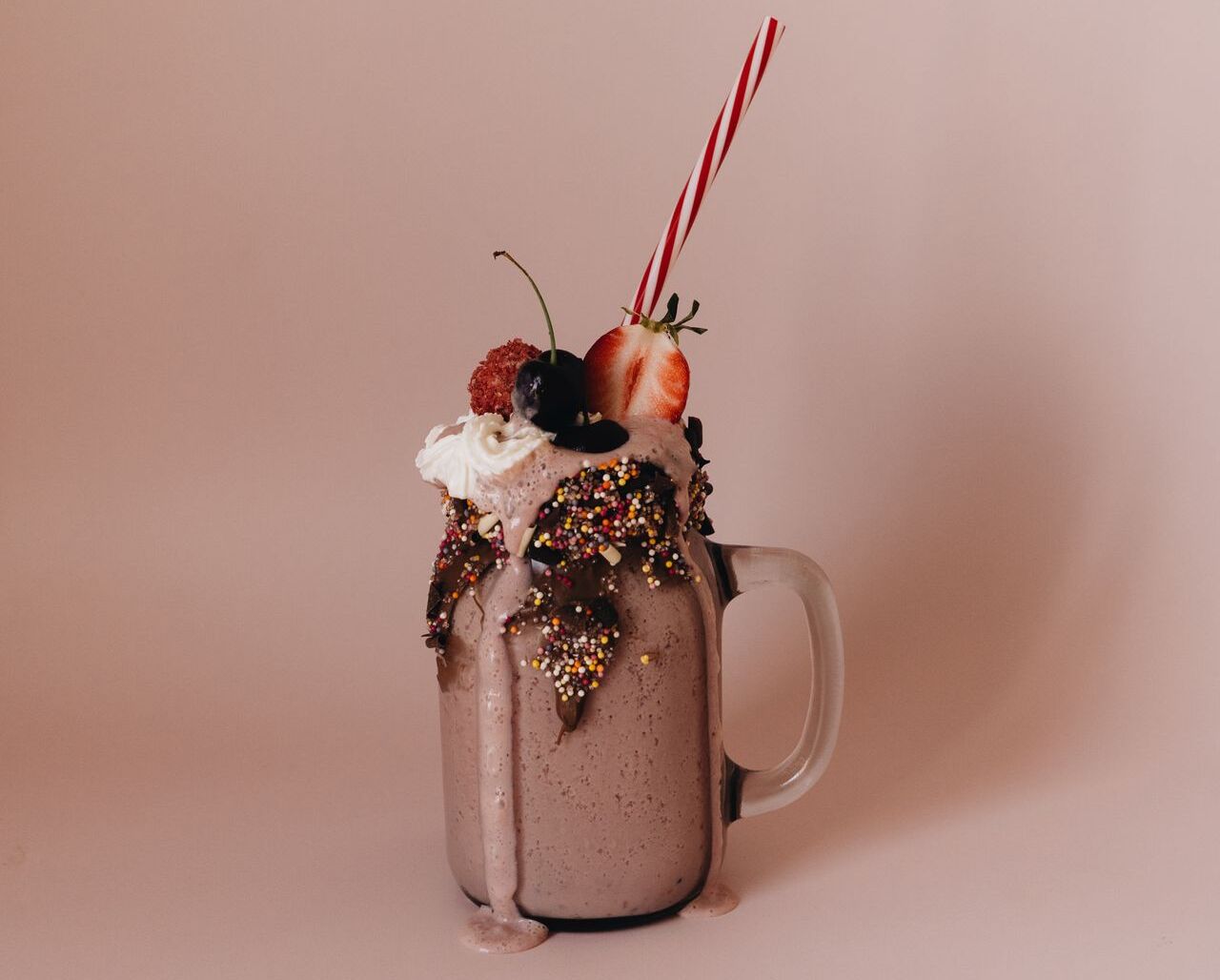
Some food trends are built to be eaten. The newest viral ones are built to be witnessed.
After chasing the internet’s most talked-about bites, the clearest lesson was not about taste, value, or even novelty. It was about how thoroughly the experience around the food has become the product.
The line is now part of the meal
The first surprise in any viral food pilgrimage is how little of it begins at the table. It starts in the queue, on the sidewalk, in the camera roll, and in the low-grade excitement of watching strangers confirm that you are in the right place. Axios reported in late 2024 that 60% of Gen Z Americans had waited 30 minutes or more over the previous year for a specific food or restaurant, a sign that the line itself has become part of the reward. That finding tracks with older marketing research suggesting waits can actually increase perceived value.
Dubai chocolate may be the cleanest example. The bar, created by Fix Chocolatier in the UAE in 2021, exploded online by 2023 and turned into a global obsession by 2024 and 2025, according to the Associated Press. AP also documented shoppers in Germany lining up for hours in the rain just to buy it, while retailers expanded the concept into parfaits, dates, nuts, and gold-flecked premium versions. In other words, people were no longer buying a candy bar alone; they were buying proof they had participated in a moment.
That same logic shapes pop-up tastings, late-night bakery drops, and limited-run menu hacks. Social platforms compress what used to be a slow food craze into a shared live event, and the event has its own social value. A 2025 study in Tourism and Hospitality Research argued that social media involvement can actively enhance food tourism experiences, which helps explain why a crowded, inconvenient stop can still feel satisfying before the food is even tasted.
Luxury, scarcity, and the theater of getting there first
If the line is the appetizer, scarcity is the entrée. Viral food experiences increasingly borrow from sneaker culture and streetwear: limited availability, branded collaborations, and the thrill of obtaining something before it vanishes. That is why a luxury grocery smoothie can behave like a concert drop. Coverage in Vogue and Forbes described how Erewhon turned celebrity smoothie collaborations into a full-scale cultural business, with the Hailey Bieber drink helping define the template and later campaigns pushing the concept further.
The drink itself matters less than what it signals. A high sticker price, unusual ingredients, and a recognizable name create an object that works simultaneously as refreshment, status marker, and social post. Vogue reported that Erewhon donated more than $2.5 million in 2024 through celebrity smoothie collaborations, showing how these products can wrap aspiration, wellness, and philanthropy into one highly photographable cup. Even skepticism helps; mockery and fascination often drive the same kind of attention.
Restaurants have noticed. CNN reported in January 2025 that Chili’s helped fuel its comeback partly through viral TikTok fascination with mozzarella sticks and value-driven menu items. That matters because it shows the viral food economy is not limited to luxury. The common denominator is theater: a dish must be recognizable at a glance, easy to discuss online, and attached to a story bigger than its ingredients.
The biggest surprise was how much people wanted connection
The most memorable part of trying viral foods was not the pistachio crunch, the glossy strawberry glaze, or the molten cheese pull. It was how often strangers talked to one another while waiting, comparing notes, swapping recommendations, and negotiating whether the thing was actually worth it. In a fragmented dining culture, these trends create temporary micro-communities. The food may be fleeting, but the social permission to gather around it feels rare and unexpectedly valuable.
That helps explain why even underwhelming bites can leave people satisfied. A 2025 study on restaurant waiting behavior emphasized that perceptions of fairness and the structure of the wait shape behavioral intentions, reinforcing the idea that experience design matters nearly as much as the menu. People are not simply consuming flavor. They are consuming anticipation, validation, and the mild thrill of synchronized attention.
The biggest surprise, then, was not that some viral foods are overrated. Of course some are. It was that the internet’s most mocked food rituals are often solving a real-world problem: they give people an excuse to leave home, stand somewhere together, and care about the same small thing for an hour. In an era of isolated scrolling, that may be the most satisfying course of all.