
The internet is very good at making food look essential. It is much worse at proving that any of it deserves your money.
After a month of trying the viral items that dominated feeds, grocery hauls, and food videos, I came away with one clear conclusion: most trends sell a feeling first and a flavor second.
The modern food trend is built to look expensive
Social media food culture no longer rewards simple deliciousness. It rewards spectacle, scarcity, and a price tag high enough to signal aspiration. That helps explain why so many viral foods arrive as oversized desserts, elaborate drinks, or imported sweets wrapped in luxury cues rather than everyday usefulness.
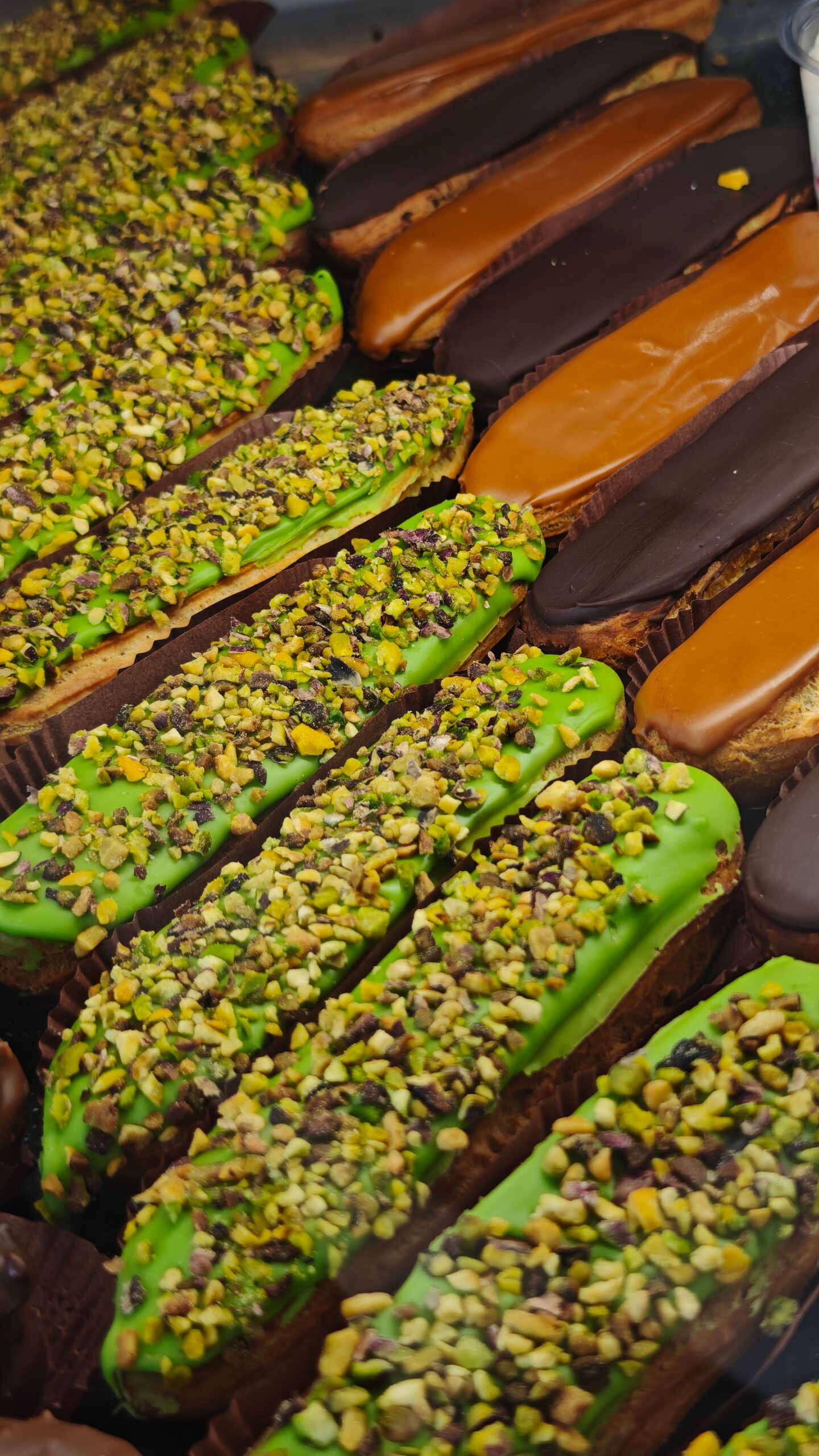
Few examples capture that better than the Dubai chocolate boom. The trend grew from thick chocolate bars filled with pistachio cream and crisp shredded pastry, then quickly spread into parfaits, dates, nuts, and gold-covered spinoffs. Associated Press reported that some U.S. sellers were charging $18.99 for standard bars and as much as $79.99 for embellished versions, a price that says more about internet hype than ingredient cost.
The same logic powers the luxury smoothie economy. Forbes reported that Erewhon’s now-famous smoothie culture helped normalize $17 to $22 single-serve drinks by packaging wellness, celebrity branding, and exclusivity into one photogenic cup. That is not really a beverage purchase; it is a lifestyle souvenir.
This matters because shoppers are already under pressure. Circana says average retail food and beverage prices rose a cumulative 34% over the previous five years, even as consumers increasingly redefined value around convenience and function. In that environment, trend foods are not harmless splurges. They are often premium-priced distractions in a market where households are already doing the math more carefully.
A lot of viral foods are more interesting online than in real life
The dirty secret of internet food is that visual drama often survives contact with real taste only barely. Crispy textures soften on the drive home, elaborate toppings overwhelm balance, and the ingredient everyone is chasing usually contributes less than the video suggests. Many of these products are engineered for the first bite and the first photo, not for the fifth bite.
That gap between screen appeal and actual satisfaction shows up across trends. The Washington Post’s review of 2024 food crazes noted that some viral dishes were genuinely good, including cucumber salads and onion boils, but plenty of others were flat-out not worth bothering with. That tracks with the monthlong test: the best trend foods were usually the cheapest and simplest, while the most hyped were often one-note, cloying, or structurally awkward to eat.
Even when a trend starts with a decent idea, copycat culture weakens it fast. Dubai chocolate may be rich and appealing in its original form, but once every bakery, snack shop, and grocer starts applying the same pistachio-crunch formula to everything, novelty becomes repetition. The consumer ends up paying premium prices for sameness dressed up as discovery.
There is also the issue of utility. A trend can be delicious and still not be worth buying regularly. A $20 drink, a loaded dessert, or a specialty chocolate bar may be fun once, but very few of them outperform a good bakery item, homemade snack, or well-made coffee that costs a fraction as much.
The trends that do deserve attention are the ones with substance
Not every food craze is empty. Some trends stick because they tap into real shifts in taste, health goals, or ingredient quality. Circana reported that one-third of U.S. food and beverage spending is tied to health-driven decisions, while its 2025 eating patterns research highlighted a “return to purity,” with shoppers increasingly avoiding artificial ingredients and ultra-processed foods. Those are not fleeting obsessions. They are durable priorities.
Matcha is a useful example of a trend with more substance than spectacle, even if it has also been over-marketed. Japanese coverage in 2025 described purchase limits at major tea companies as demand surged, and later reporting said Japan’s green tea exports rose amid the boom. In other words, this was not just a pretty latte trend; it reflected real global demand for a product with culinary range and cultural depth.
Still, even worthwhile trends can become overpriced once scarcity and branding take over. That is the lesson from a month of chasing internet food: the smartest buy is rarely the loudest one. If a trend offers lasting flavor, practical value, or a better ingredient, it may deserve a place in your kitchen. If it mainly offers status, scarcity, and camera-ready excess, save your money.