
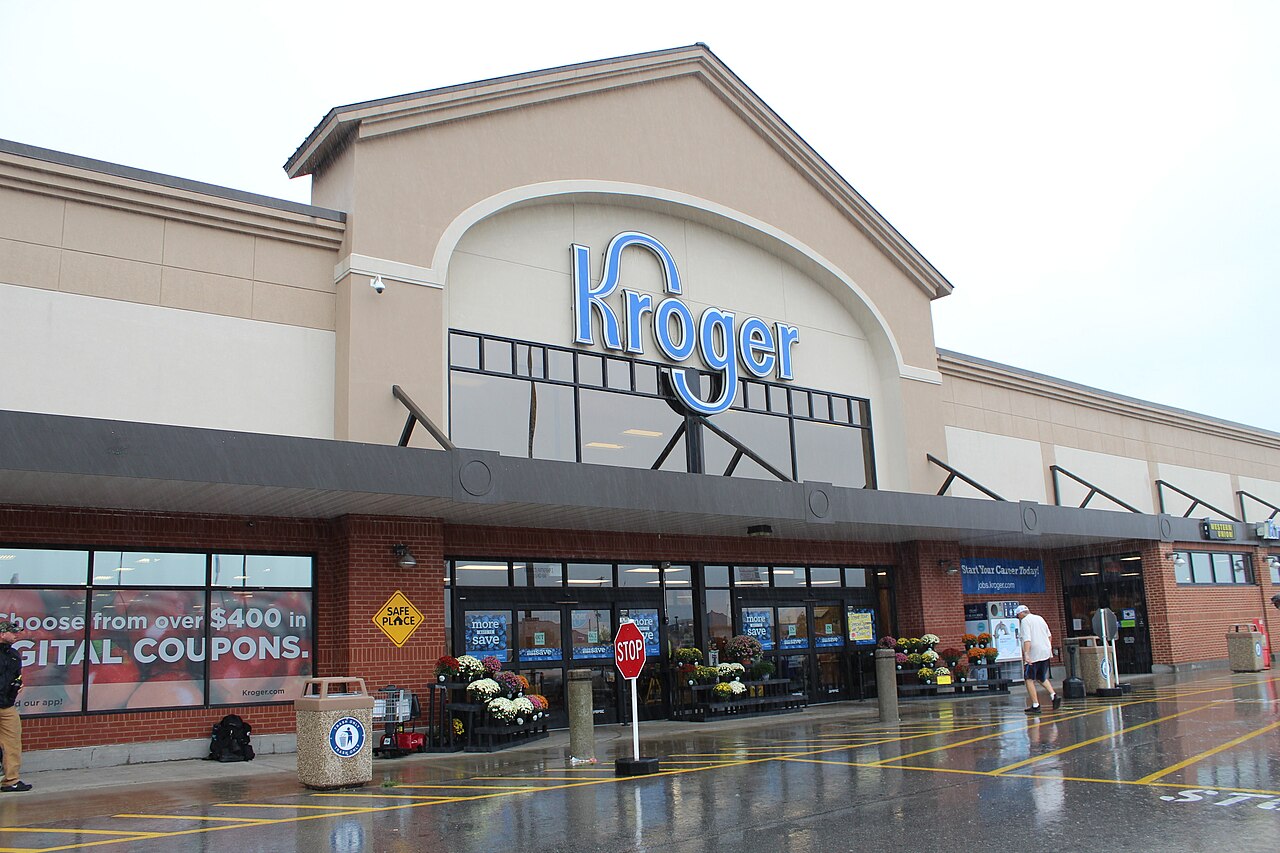
Kroger, the nation’s largest supermarket operator, is shrinking parts of its store base as grocery chains face pressure to protect margins and hold onto shoppers. Kroger said on June 20, 2025, that it plans to close about 60 underperforming stores over the next 18 months, a move the company linked to efficiency and reinvestment after its failed merger with Albertsons.
Kroger says 60 underperforming stores will close over 18 months
Kroger disclosed the plan in its first-quarter 2025 earnings release, saying it recorded a $100 million impairment charge tied to the planned closing of approximately 60 stores over the next 18 months. The company said the closures are expected to deliver a modest financial benefit and that the savings will be reinvested into the customer experience. Kroger also said the move will not change its full-year guidance.
The scale is significant, but the company framed the closures as selective rather than a broad retreat. Kroger said all employees at affected stores will be offered roles at other locations, an important detail as the retailer operates thousands of stores across 35 states and the District of Columbia. Interim Chairman and CEO Ronald Sargent said the company sees an opportunity to shift sales from closed stores to nearby locations and improve profitability, according to the Associated Press.
The June 20 disclosure followed a quarter in which Kroger reported $45.1 billion in sales, down slightly from $45.3 billion a year earlier. The earnings materials also showed a $15 million adjustment for merger-related litigation costs, underscoring that the company is still absorbing financial fallout tied to the Albertsons deal. Kroger has continued to describe its longer-term strategy as balancing cost control with investment in stores, digital operations and pricing.
Confirmed local closures are emerging, but Kroger has not released a full list
What shoppers will notice first is that the national total has been announced before a comprehensive location list has been made public. Kroger has not released a full list of all 60 affected stores by state, city or banner. That means customers in many markets still do not know whether their neighborhood Kroger, Ralphs, Harris Teeter, Mariano’s or another company-owned chain will be affected.
Some local closures have already been confirmed through regional reporting. In the Chicago suburbs, Axios reported that three Mariano’s stores are scheduled to close this summer: Buffalo Grove at 450 W. Half Day Road on August 8, Bloomingdale at 144 S. Gary Ave. on August 15, and Glenview West at 2323 Capital Drive in Northbrook on August 22. Those locations are part of Kroger’s broader nationwide reduction plan.
Beyond those examples, reports have pointed to possible effects across multiple states, but many city-level details remain unconfirmed. That matters for readers looking for immediate local impacts, because store-by-store timing may vary through late 2026. For now, the most accurate description is that Kroger has confirmed the national number and timeframe, while the full geography of the closures is still incomplete in public reporting.
The failed Albertsons merger is a central part of the explanation
The store closings are not happening in isolation. Sargent said Kroger normally reviews store performance every year but deferred closings during the company’s two-year effort to merge with Albertsons. That means weaker-performing stores were left open while the company pursued the $24.6 billion deal first announced in 2022, according to the Associated Press.
That merger fell apart in December 2024 after judges blocked it over antitrust concerns. Since then, Kroger has been left to reset its store portfolio while also handling continuing legal and financial consequences. Its first-quarter earnings release said merger-related costs in the prior-year period included third-party professional fees and credit facility fees associated with the terminated merger, and its latest results still included merger-related litigation costs.
Kroger’s broader financial context also helps explain the decision. The company has pointed to cost savings, productivity and reinvestment as priorities, while recent annual results said margins were partly offset by price investments and labor investments to improve the customer experience. For customers, the practical takeaway is clear: some stores will close by the end of 2026, but Kroger has said it will continue opening stores in higher-growth markets and will reinvest savings into pricing and operations rather than exiting expansion altogether.