
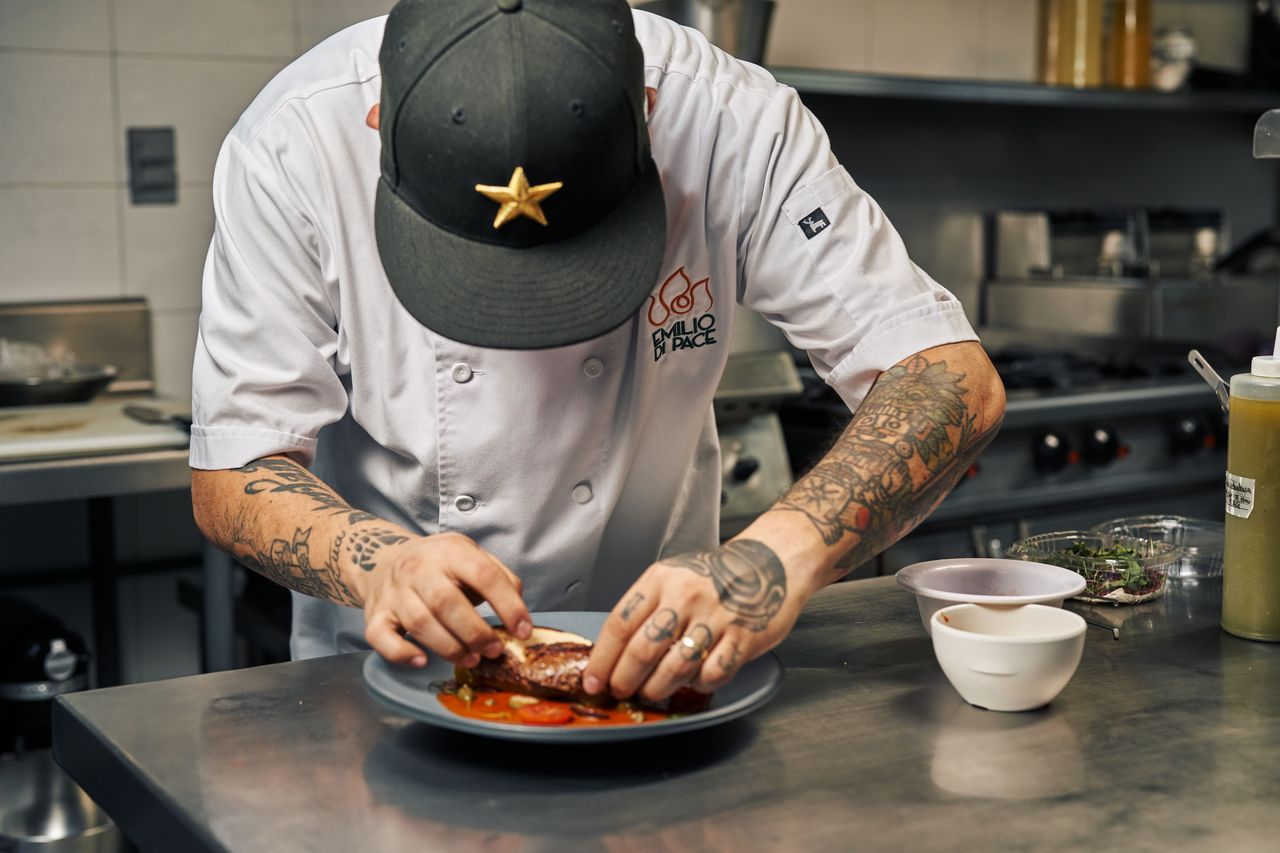
Luxury hotels often promise unforgettable meals. Very few make food feel like the governing philosophy of the entire stay.
That is what sets SingleThread apart. In Healdsburg, California, this five-room inn sits above one of America’s most acclaimed restaurants, and the result is less a hotel with excellent dining than a complete culinary world.
A hotel built around a chef’s vision

SingleThread is the creation of chef Kyle Connaughton and farmer Katina Connaughton, whose partnership is central to the property’s identity. Michelin describes the inn as a tiny, food-driven hotel linked directly to the celebrated restaurant below, while Relais & Châteaux notes that the property has just five guest rooms and draws daily from its 24-acre regenerative farm. That scale matters because it allows the service to feel highly tailored rather than industrial.
The restaurant has become one of the defining dining rooms in California wine country. Relais & Châteaux identifies SingleThread as a 3 Michelin star and 1 Green Star destination in 2025, a distinction that signals not only technical excellence but also a serious commitment to sustainability. Michelin’s own hotel coverage frames the inn as an extension of the Connaughtons’ personal philosophy rather than a side business attached to a famous dining room.
That philosophy comes through before a guest sits down to eat. According to Michelin Key Hotels, the experience is intentionally intimate, with personalized service and meticulous detail from amenities to in-room dining. Forbes Vetted similarly describes it as feeling more like a very high-end bed-and-breakfast than a conventional luxury property, only one where nearly every touchpoint is filtered through a world-class culinary lens.
In practical terms, that means meals are not siloed events. Dinner, breakfast, snacks, tea, welcome treats, and even room service all feel connected by a shared language of seasonality, precision, and restraint. The hotel does not merely feed you well; it keeps reminding you that cuisine is the organizing principle of the stay.
Why dinner is extraordinary, but not the whole story
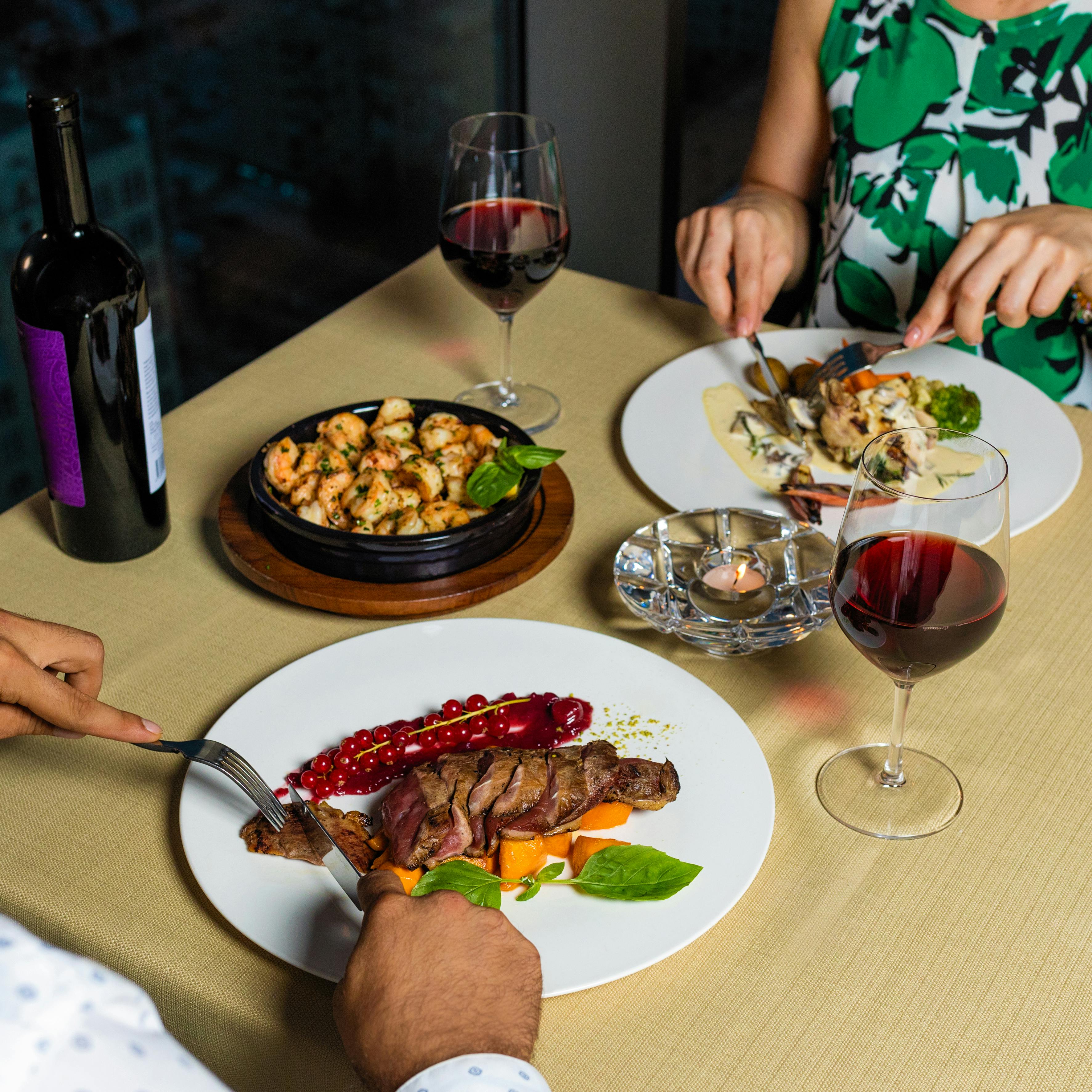
The obvious headliner is the restaurant downstairs. SingleThread’s tasting menu has long been a destination meal, and one reason overnight stays are so coveted is that they effectively secure access to a reservation that can otherwise be difficult to obtain. Forbes Vetted notes that booking the restaurant often requires planning far in advance, which makes the inn not just a place to sleep but a rare point of entry into one of the region’s marquee dining experiences.
Dinner carries all the hallmarks of modern fine dining at the highest level. Michelin and Relais & Châteaux both emphasize the Japanese-accented, farm-driven approach, with menus shifting daily according to what is harvested and what the team wants to showcase. The result is exacting without feeling static, a style shaped by luxury ingredients but anchored in agricultural freshness.
Guests staying longer can experience the kitchen in a different mode as well. Michelin’s hotel coverage highlights the in-room donabe dinner, a multi-course hot pot meal that replaces standard room service with something more personal and more rooted in the property’s identity. It is a clever move because it turns a private meal into part of the narrative rather than an afterthought.
And yet dinner, however polished, is only the expected triumph. A restaurant with three Michelin stars should be great at night. What is more surprising is how convincingly the property applies that same rigor to the first meal of the day, when many luxury hotels revert to abundance, convenience, and sleepy predictability.
The breakfast that changes the whole stay
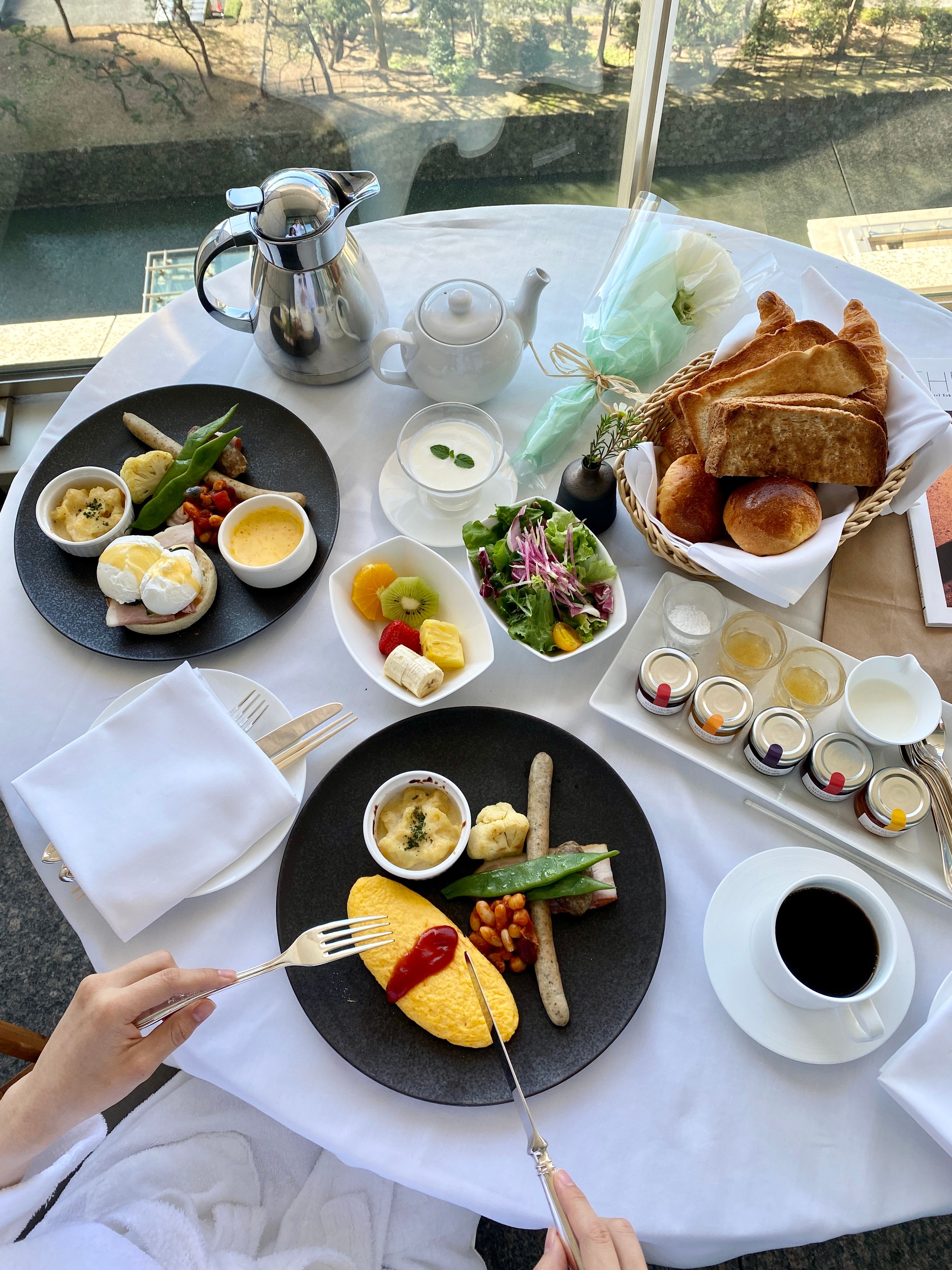
Breakfast at SingleThread has developed a reputation of its own. Michelin Key Hotels says it has been compared to a tasting menu disguised as breakfast, and that phrase captures the experience neatly. This is not a buffet designed to impress through volume, nor a standard luxury spread of pastries, eggs, and fruit arranged with more style than substance.
Instead, breakfast appears to be treated as a fully realized expression of the property’s culinary point of view. Michelin’s feature on the inn describes sample dishes such as a roasted cherry tomato tartlet, a squash blossom and negi omelette with black truffle, miso chorizo, and farm tomato and cucumber salad. Those details matter because they reveal a structure closer to composed fine dining than to conventional hotel breakfast service.
Other accounts reinforce that impression. Forbes Vetted reports that guests may receive multi-course Japanese, Sonoma, or English breakfast options, while Goop notes small but telling touches such as matcha served in carefully chosen ceramics. The throughline is intention: every plate, beverage, and garnish feels selected to sustain a mood, not just satisfy hunger.
That is why breakfast can outshine dinner emotionally, even if dinner is the more technically monumental meal. In the morning, the cooking feels less performative and more generous. The luxury lies not in spectacle but in the idea that a hotel of this caliber has decided the earliest hours of the day deserve as much imagination as the marquee evening service.
What makes the morning meal feel so impressive
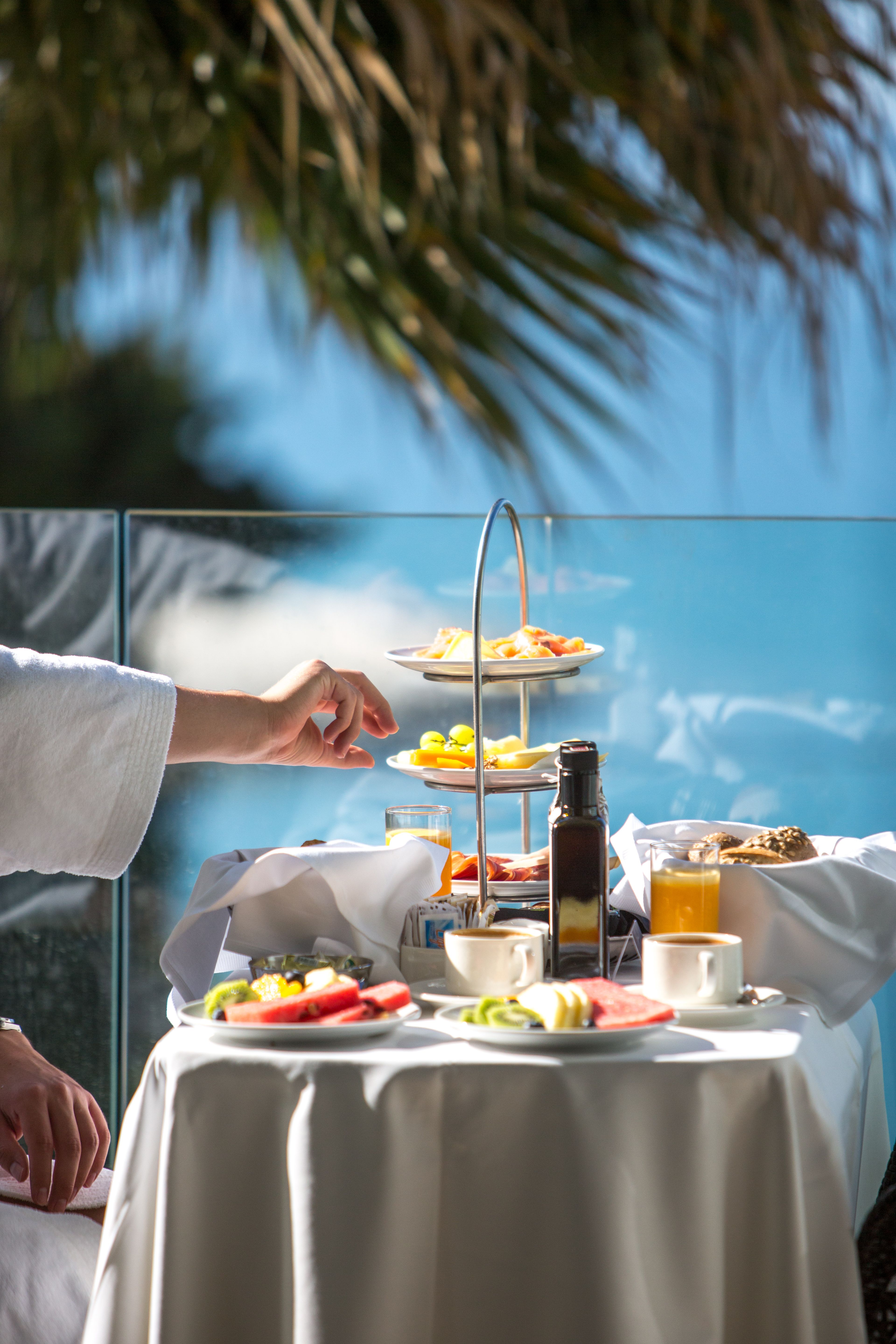
Part of the magic is timing. Breakfast arrives when guests are most receptive to comfort, quiet, and restoration, so the same level of discipline that might feel formal at dinner can register as deeply nurturing in daylight. At SingleThread, farm produce, restrained plating, and polished service combine to create a meal that feels calming rather than ceremonious.
The agricultural connection sharpens that effect. Relais & Châteaux highlights that fruits, vegetables, and herbs are grown on the estate’s farm and harvested every day, and Belmond’s Le Manoir and other luxury food properties show how powerful that garden-to-table immediacy can be in hospitality. At SingleThread, though, the farm is not decorative branding; it is the engine behind the menus, including breakfast.
There is also something psychologically smart about applying Michelin-level thinking to familiar dishes. An omelette with black truffle, a tartlet built around peak tomatoes, or a breakfast sequence accompanied by tea and house-made touches can feel more memorable than another parade of luxury proteins at night. Breakfast dishes are easier for diners to benchmark against everyday life, so excellence becomes instantly legible.
That helps explain why the morning meal can linger in memory longer than dinner. Evening tasting menus often inspire awe, but breakfast at this level inspires affection. It suggests that true hospitality is not only about showcasing a chef’s virtuosity; it is about using that virtuosity to make guests feel unusually well cared for.
The broader lesson for luxury travel
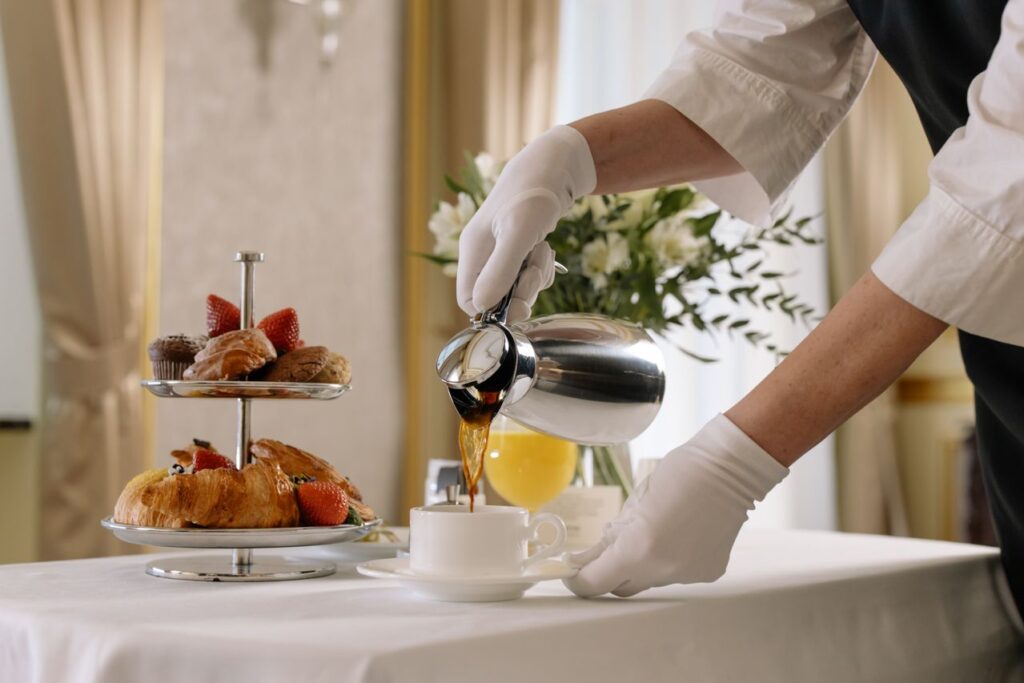
SingleThread illustrates an important shift in high-end hospitality. Travelers increasingly want hotels to offer a complete point of view, not just a beautiful room and a famous chef attached to one signature restaurant. Michelin’s hotel reporting and broader luxury travel coverage both point toward properties where cuisine, design, agriculture, and service operate as one coherent experience.
That matters because breakfast has become a revealing measure of seriousness. Many hotels spend lavishly on dinner while treating breakfast as logistics. When a property invests equal thought into the morning meal, it signals confidence in its identity and respect for the guest’s entire day, not only the glamorous hours.
There is a wider trend here as well. From London’s recent Michelin-starred breakfast experimentation at Pavyllon to immersive food-led inns like SingleThread, luxury hospitality is moving toward more chef-defined stays. The idea is no longer simply to dine at a great restaurant and sleep nearby; it is to inhabit the chef’s ecosystem from check-in to coffee.
In that context, the most impressive thing about SingleThread is not merely that a Michelin-star chef’s world surrounds every meal. It is that breakfast makes the strongest case for staying the night. Dinner may justify the reservation, but breakfast is what proves the hotel understands hospitality at the highest level.