
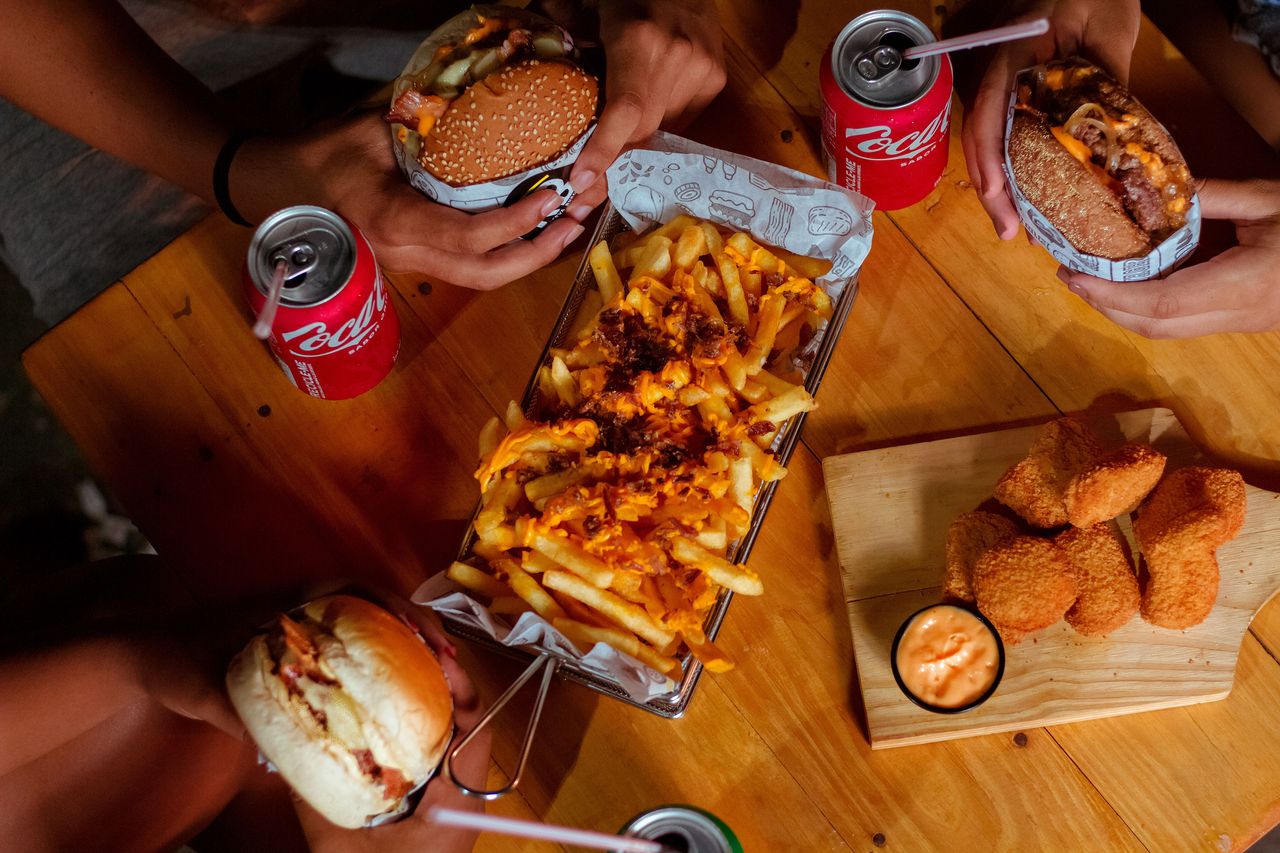
Fast food calorie labels promise clarity. In practice, they offer something closer to a baseline than a verdict.
To see what those numbers really mean, I compared the same kind of order across five major chains and looked beyond calories to serving size, sodium, fat, and how food is actually prepared.
What counts as the “same meal” across chains

A perfect apples-to-apples comparison is almost impossible in fast food. Burger chains and chicken chains structure menus differently, serving sizes are not standardized, and fountain drink portions vary more than many customers realize.
So the fairest test is not an identical item, but an equivalent meal: a basic sandwich or burger, fries, and a regular cola. At McDonald’s, Burger King, Wendy’s, Chick-fil-A, and Shake Shack, that kind of order sits at the center of the menu and reflects how many people actually eat. FDA menu-labeling rules require large chains to post calorie information for standard menu items, which is why these numbers are visible in the first place. According to the FDA, those rules apply to chain restaurants with 20 or more locations and are meant to help consumers make informed choices.
Even before comparing chains, the meal reveals a problem: “same” is a consumer idea, not a nutrition definition. A Chick-fil-A Chicken Sandwich with Waffle Potato Fries and Coca-Cola is built differently from a McDonald’s hamburger meal or a Shake Shack burger-and-fries combo. Breading, bun size, frying oil, and portion weight all shift the result before the first bite.
That matters because calorie labels are precise numbers attached to foods that are only approximately comparable. A meal can look modest on a menu board and still be much larger, saltier, or denser than a rival’s version.
The posted calorie numbers are useful, but they are not the whole meal
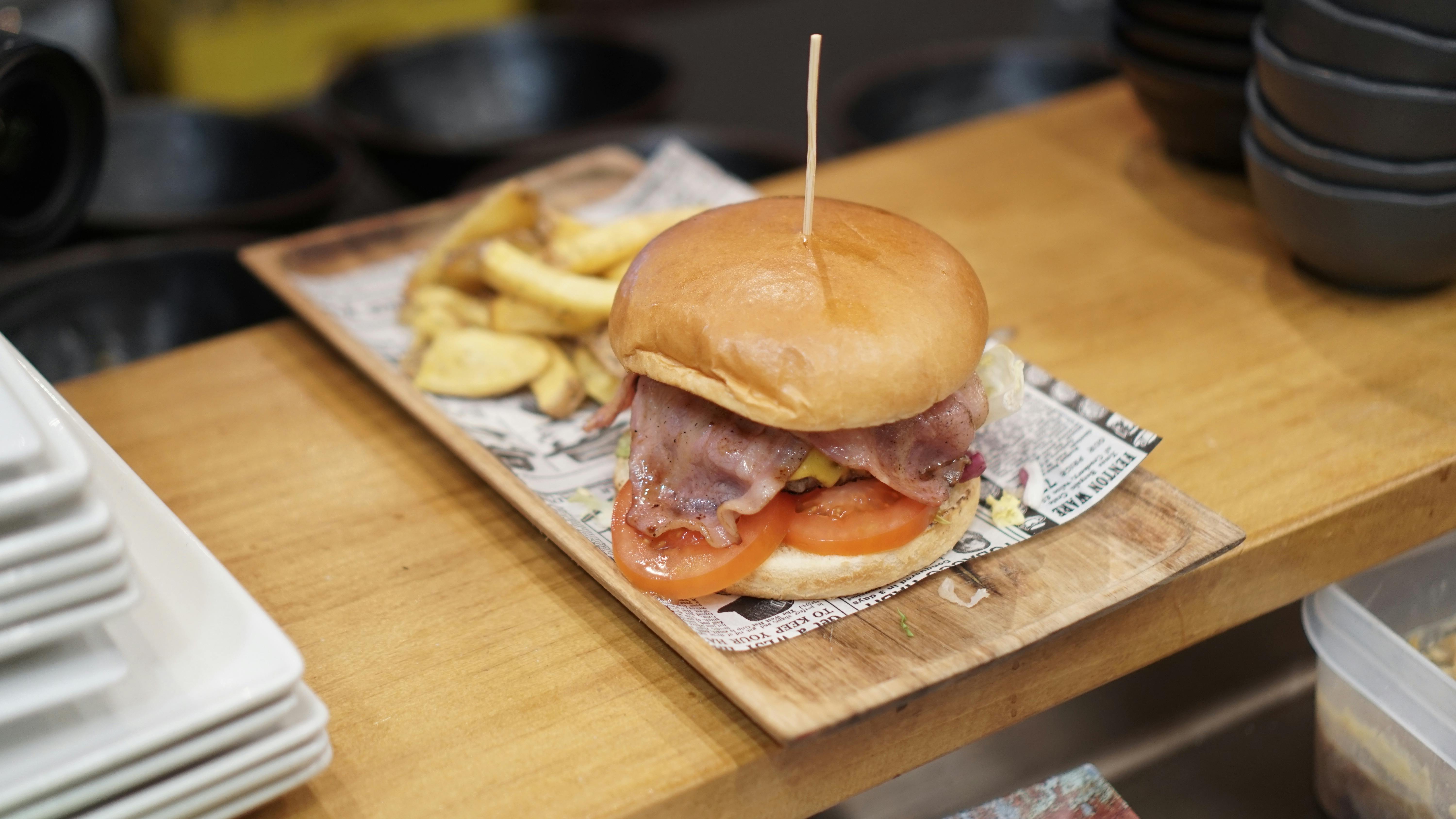
The official counts vary sharply from chain to chain. Chick-fil-A’s published nutrition information lists 420 calories for its classic Chicken Sandwich, 420 for Waffle Potato Fries, and 170 for a Coca-Cola, putting that meal around 1,010 calories before sauce. Shake Shack’s published nutrition sheet lists 550 calories for a Chicken Shack sandwich alone, and its fries add a substantial second layer to the order. McDonald’s, Burger King, and Wendy’s all land differently depending on whether the sandwich is a plain hamburger, cheeseburger, or a premium chicken option.
Calories, however, flatten important differences. Two 1,000-calorie meals can behave very differently in the body and on the plate. One may be larger and more filling because of water content and bulk. Another may be smaller, higher in fat, and easier to eat quickly.
Sodium is often the hidden headline. Chick-fil-A’s classic sandwich alone contains 1,460 milligrams of sodium, according to its nutrition guide, before fries and soda are added. Shake Shack’s Chicken Shack lists 1,170 milligrams of sodium for the sandwich by itself. A meal that looks ordinary on a board can quietly move toward or beyond a full day’s worth of sodium for some diners.
That is the central limitation of calorie counts: they tell you energy, not quality, satiety, or total nutritional load. They are directionally helpful, but nutritionally incomplete.
Research suggests menu labels help, just not dramatically
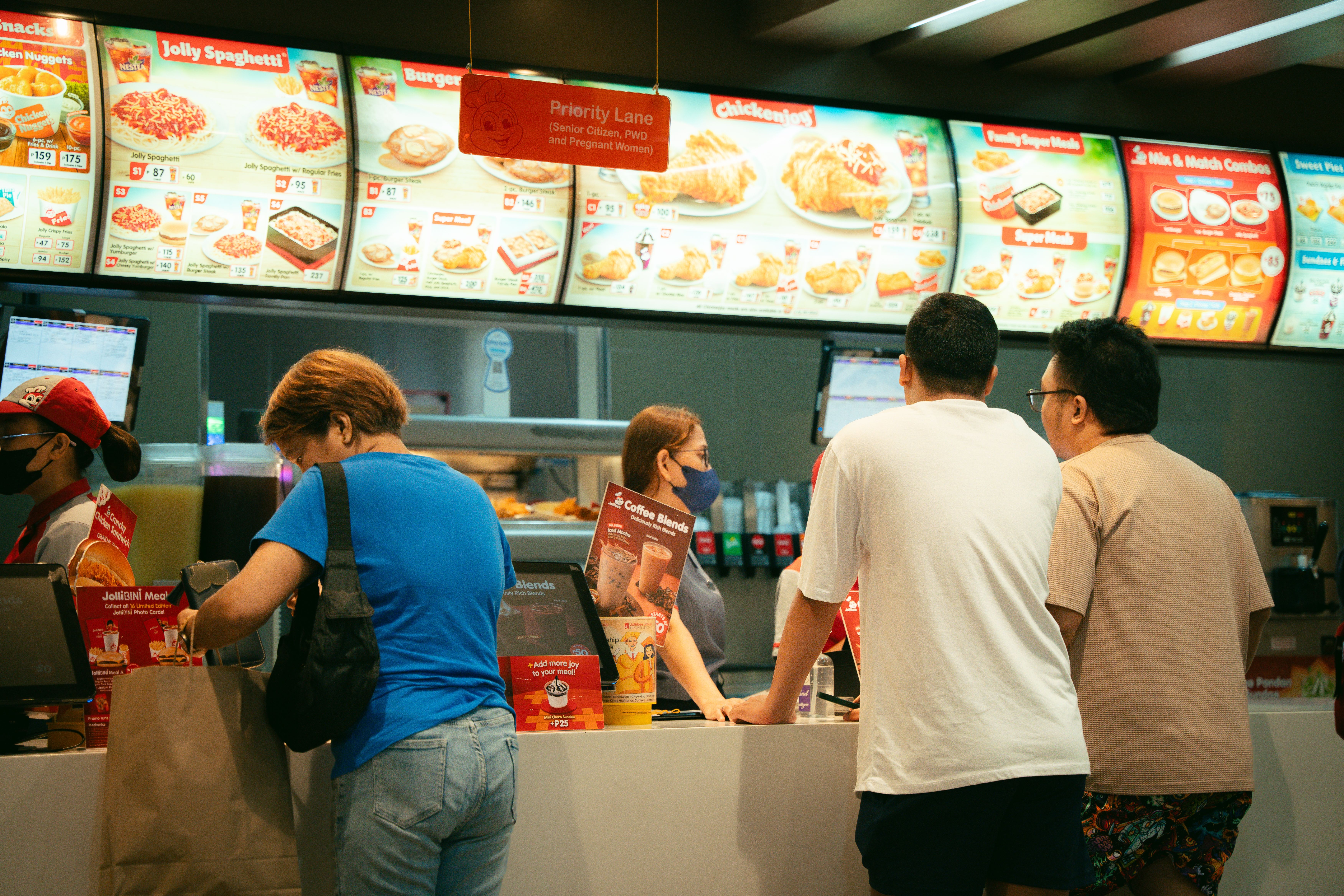
Public policy has treated calorie labeling as a practical nudge rather than a cure-all, and the evidence largely supports that view. A 2023 JAMA Network Open study examining a national fast food chain found that menu labeling was associated with 25 fewer calories purchased per transaction in the first two years after implementation compared with stores without labels. That is measurable, but modest.
Other research shows similarly small effects. A natural-experiment study published in PLOS Medicine found that after national calorie labeling took effect, predicted mean calories per transaction were 4.7% lower, or about 73 fewer calories per order, than expected without labeling. Another analysis found some improvement in sugar content, but not a broad nutritional overhaul across every category.
The pattern is consistent across broader reviews. Meta-analyses and systematic reviews have found mixed but generally limited changes in what people order after calorie labels appear. Some customers do use the information. Many do not, especially when price, cravings, combo deals, and habit are stronger influences at the point of purchase.
In other words, menu boards work best as a speed bump, not a steering wheel. They may shave a little off the average order, but they do not resolve the deeper issue that fast food meals differ enormously in size, formulation, and nutrient density even when they appear equivalent.
Why the tray in front of you may not match the math on the board

Posted calories are based on standardized recipes, but restaurant food is assembled by people, portioned in real time, and cooked in batches. That introduces variability. Fries can be packed loosely or generously. Soda may come with more or less ice. Sauces, cheese, and condiments can push a meal upward fast, often in increments too small for diners to notice in the moment.
There is evidence that the listed numbers are generally in the right neighborhood, though not perfectly exact. A peer-reviewed study of 52 menu items from 13 fast food and fast-casual chains found that restaurant-stated calories were more consistent with actual amounts than sodium values were. That is reassuring on one level, but it also underlines that calories are only one part of nutritional accuracy.
Portion size also changes perception. USDA research has noted that adding fries or onion rings meaningfully increases the calorie load of a fast-food meal, with fries acting as one of the biggest calorie multipliers in a standard order. Once diners focus on the sandwich alone, they often underestimate how much the side and drink contribute.
That is why the calorie board can feel both truthful and misleading. The number is usually not invented, but it describes an idealized standard serving, not the full lived experience of the meal in your hands.
What this five-chain comparison really shows

The biggest lesson from ordering the same kind of meal across five chains is that calorie counts are best understood as a floor for awareness, not a complete measure of healthfulness. They help expose obvious outliers, especially oversized sandwiches and deceptively heavy sides. They do not tell you whether one meal is dramatically saltier, more processed, or less filling than another.
For everyday diners, the practical takeaway is simple. Compare the whole meal, not just the entree. Look at fries, drink size, sauces, and sodium with the same attention you give calories. At chains like Chick-fil-A and Shake Shack, the sandwich alone can already carry a serious sodium burden, while fries and sweetened drinks quietly add hundreds more calories.
That does not mean calorie posting fails. It means the labels are doing one job, not every job. They are good for rough comparison and better than guessing, especially since research shows people are not naturally skilled at estimating restaurant calories. But they do not tell the full story of portion size, satiety, or nutritional trade-offs.
If you want the smartest read on a fast food order, think like a label reader and an eater at the same time. The board gives you the number. The tray tells you the rest.