
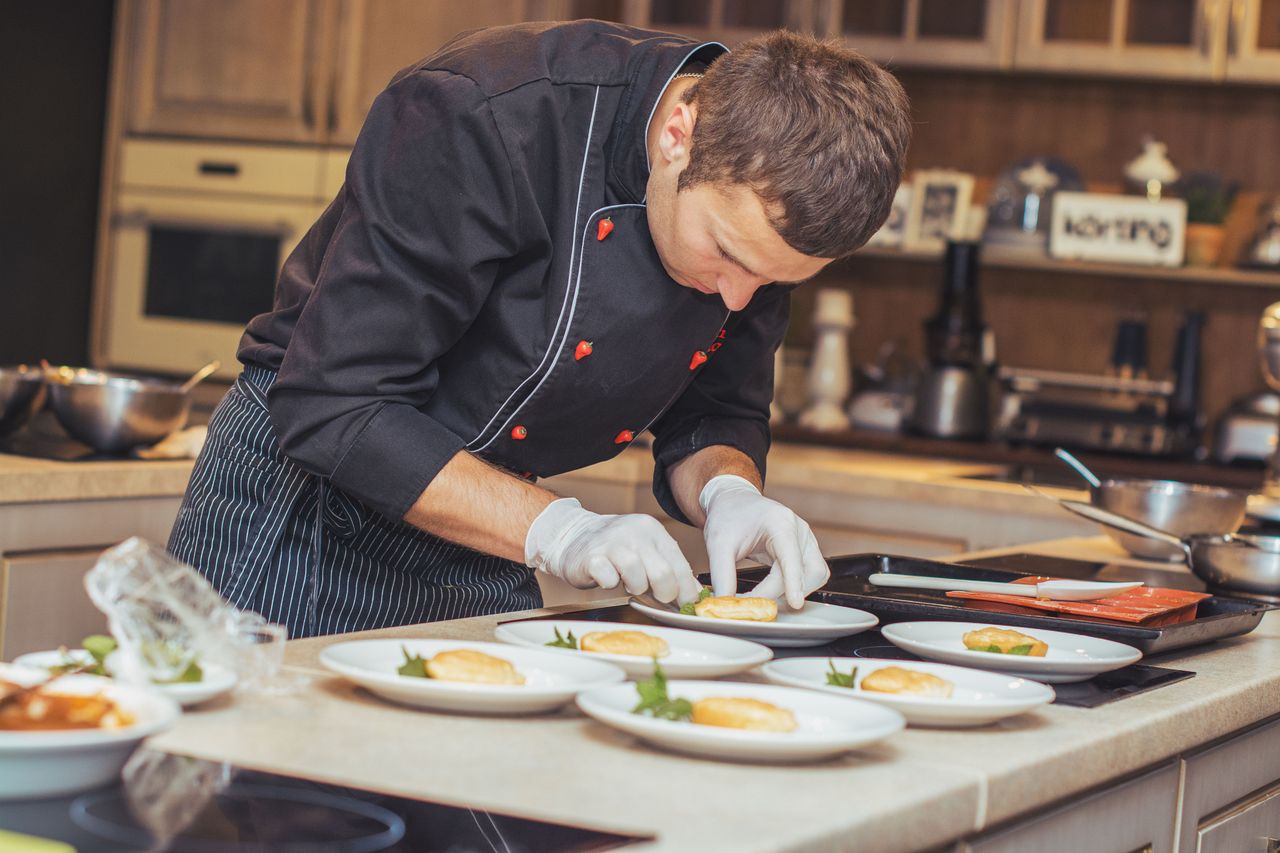
I nearly made the classic traveler mistake. I treated the hotel restaurant as a backup plan.
By the end of the night, it was the meal I kept comparing everything else to.
Why I Almost Walked Right Past It
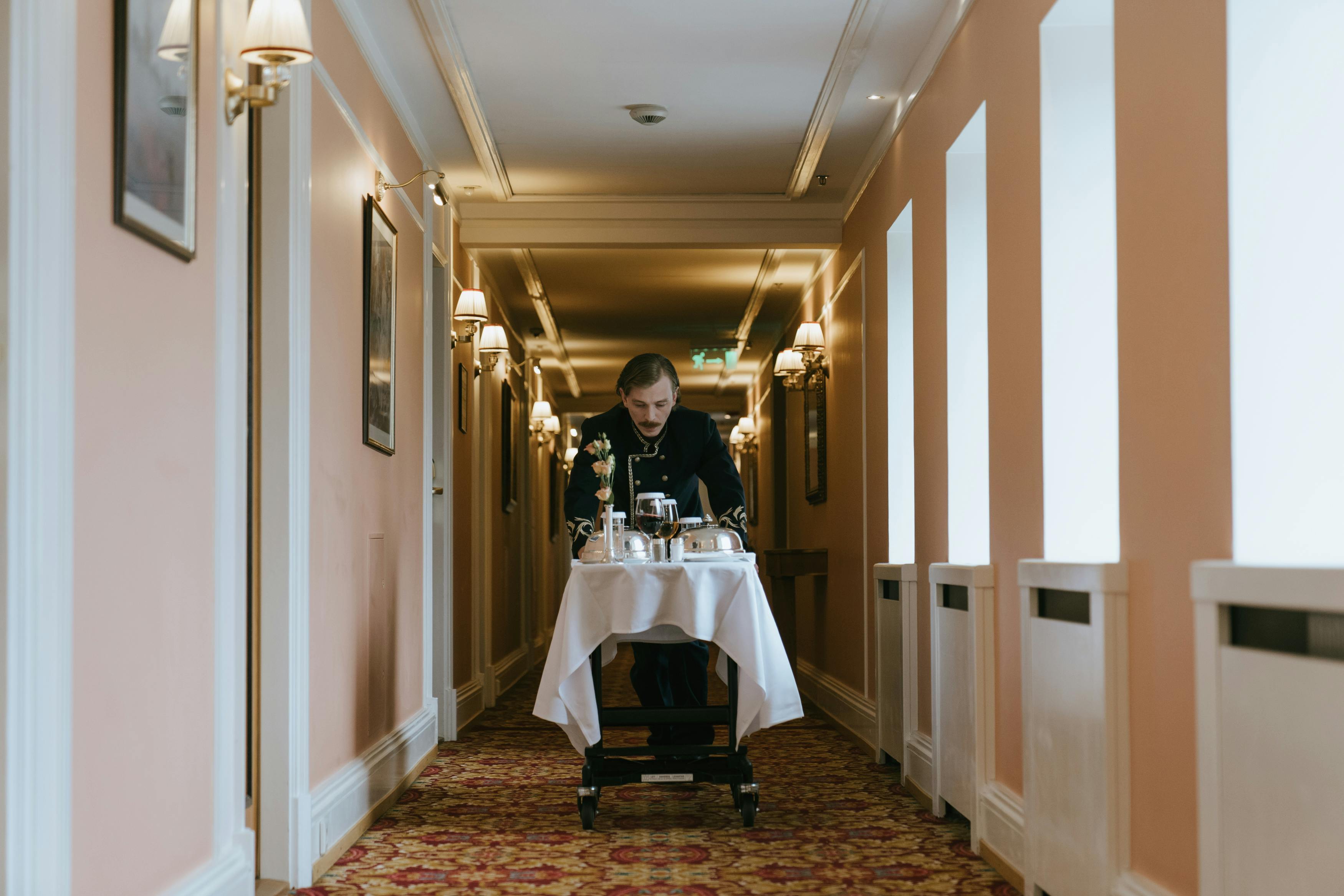
Hotel restaurants still carry old baggage. For years, they were associated with safe menus, inflated prices, and dining rooms designed more for weary business travelers than for anyone genuinely hungry for discovery. That reputation has lingered even as the industry has changed.
The reality is that hotel food-and-beverage programs have become far more strategic and ambitious. STR reported in late 2024 that U.S. hotel F&B labor costs rose nearly 15%, outpacing other departments, a sign that operators are investing heavily in dining as a core part of the guest experience. Industry analysts have also noted that signature restaurants increasingly function as destination venues, not just amenities for overnight guests.
That shift matters because it changes the role of the hotel restaurant entirely. In many properties, the dining room is now expected to attract locals, tell a regional story, and justify its existence on culinary merit rather than convenience. What I nearly skipped was not an afterthought. It was one of the hotel’s main reasons to be taken seriously.
The First Signals That This Was Different
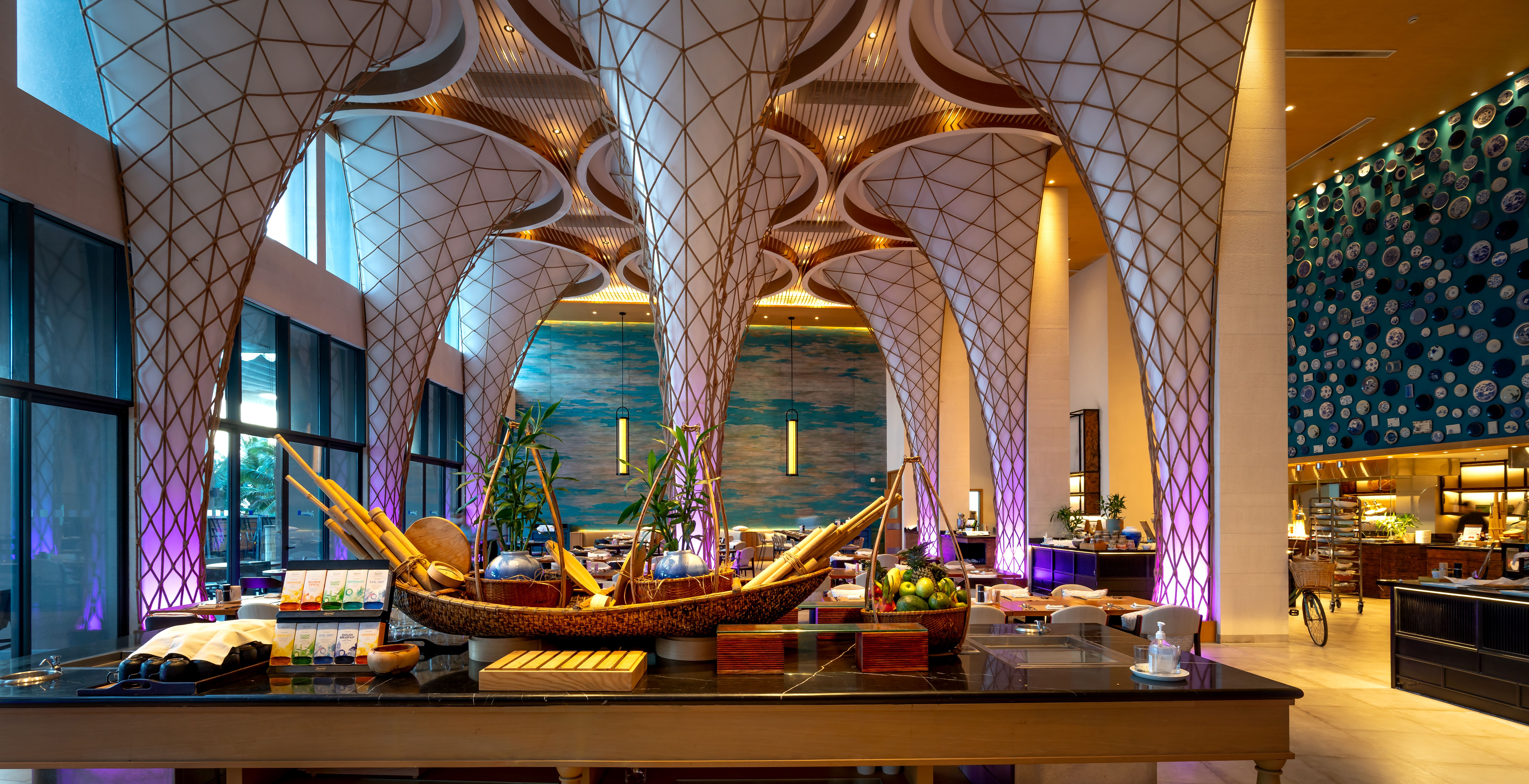
The first clue was the room itself. Instead of the usual anonymous layout, the restaurant felt rooted in place, with a menu that read like a map of the surrounding region rather than a list of crowd-pleasers assembled for the broadest possible audience. That kind of specificity usually signals confidence.
The second clue was the sourcing. The Michelin Guide has highlighted how many standout hotel restaurants now build their identities around farm-to-table systems, on-site gardens, or deep relationships with local producers. Across the travel industry, that model has become shorthand for seriousness because it requires planning, flexibility, and real culinary discipline.
Then there was the service, which never leaned on rehearsed luxury clichés. It was informed, relaxed, and precise. Staff members knew why an ingredient was there, how a sauce had been built, and what made a dish seasonally relevant. That level of fluency changes a meal immediately, because it tells you the restaurant expects to be judged against the best tables in town.
What Made the Meal So Memorable
The best travel meals are not always the most elaborate. They are the ones that feel fully resolved, where the food, pacing, setting, and attention to detail all pull in the same direction. This meal had that rare sense of internal coherence from the first course onward.
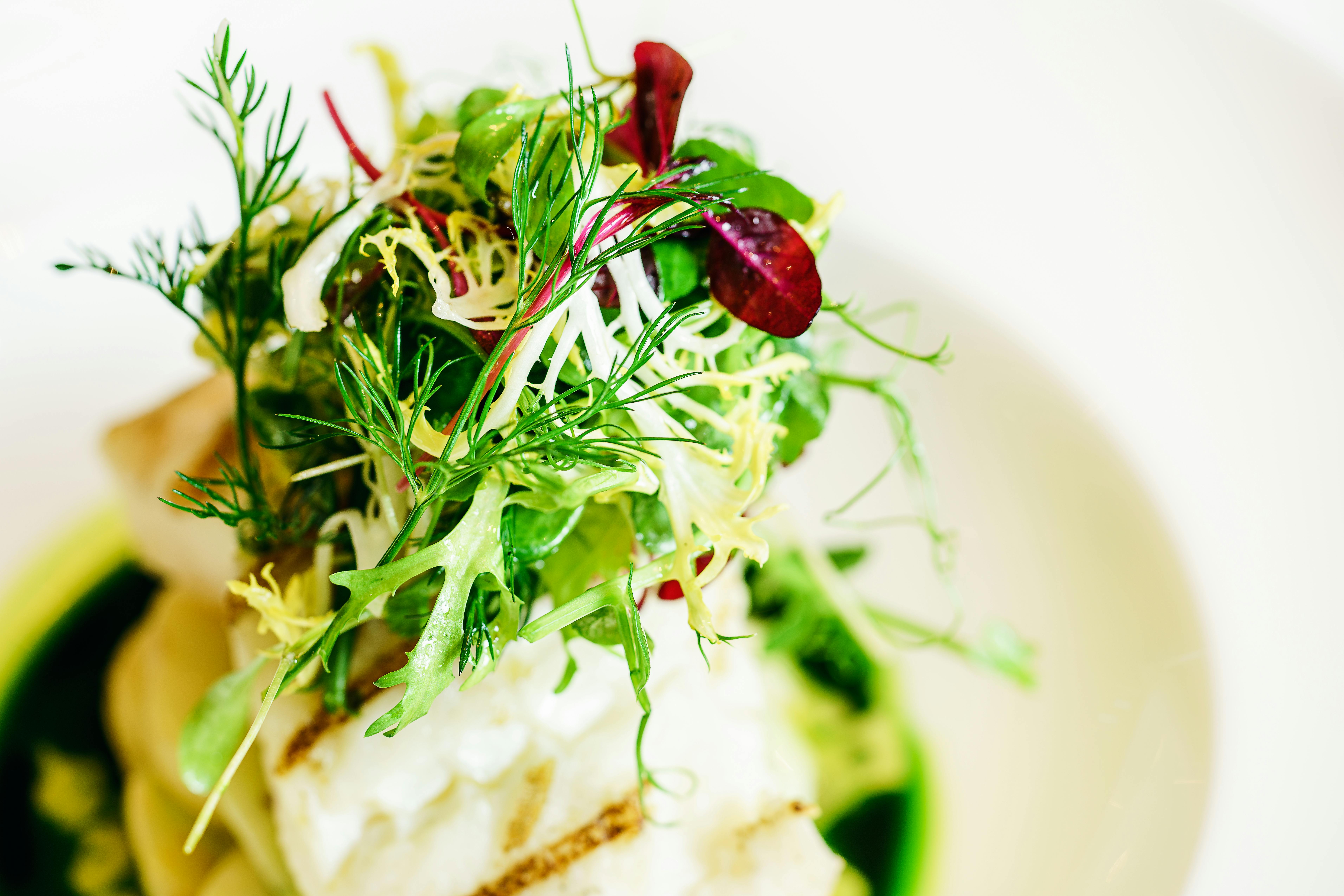
One dish captured it perfectly: a simple piece of local fish with a sharply reduced broth, peak-season vegetables, and a crisp element for texture. Nothing on the plate looked designed for social media first. The point was flavor concentration, balance, and temperature, and every element arrived exactly where it needed to be.
That approach reflects a broader trend in top hotel dining. Michelin and major travel publications have repeatedly noted that the strongest hotel restaurants are winning not by excess, but by expressing place with restraint and precision. When a restaurant knows what not to add, it often signals more confidence than any luxury flourish ever could.
Why Hotel Restaurants Are Better Than Many Travelers Realize
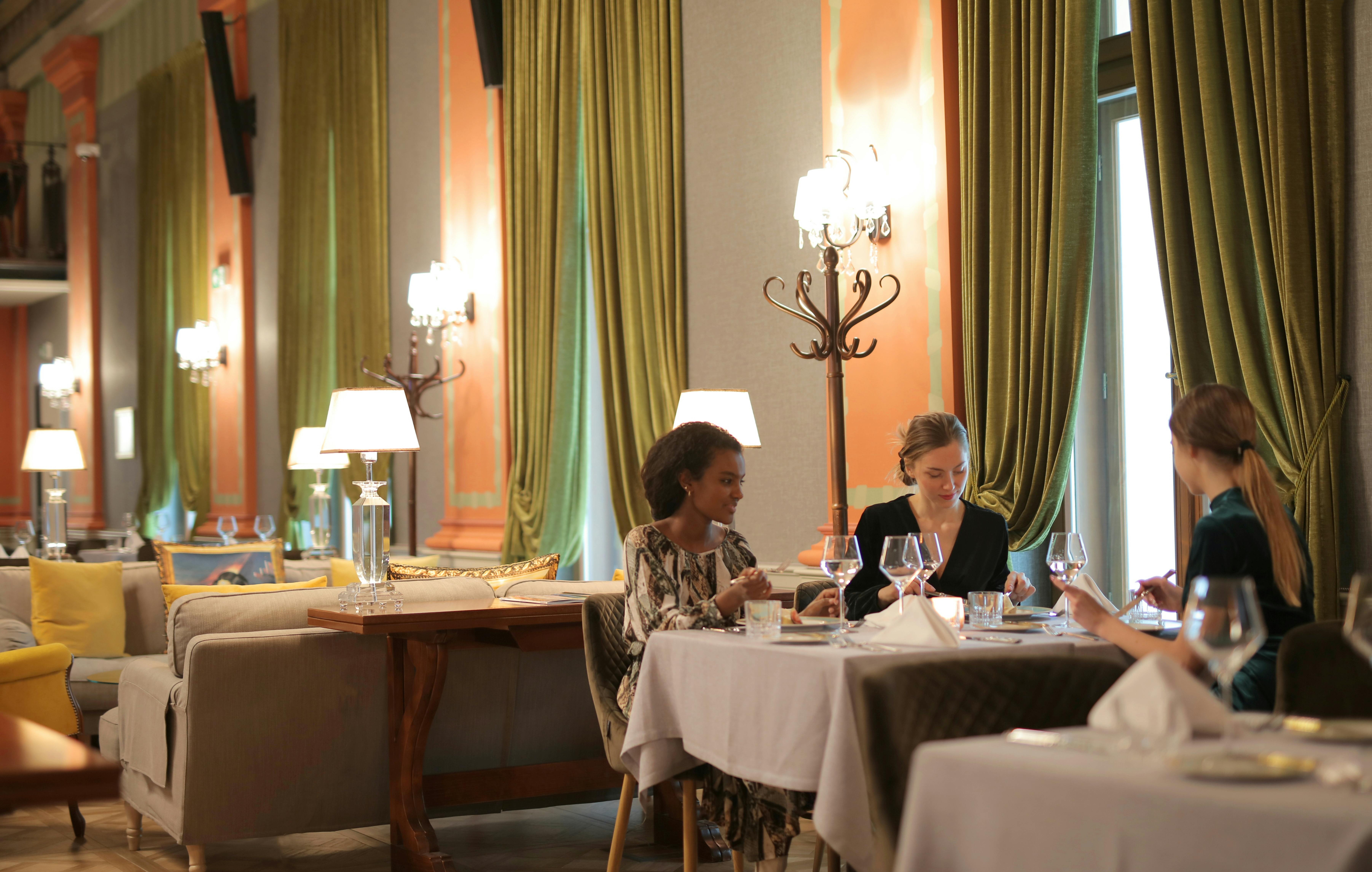
There is a practical reason some of today’s best meals happen inside hotels. Strong hotel restaurants benefit from infrastructure that independent operators often have to fight for: steady capital, polished service systems, strong wine and cocktail programs, and design budgets that create immediate atmosphere. When leadership gets the concept right, those advantages become visible on the plate.
They also benefit from a changing business model. Hospitality Net reported that many full-service hotels now treat bars and restaurants as revenue-producing micro-venues, with signature dining used to draw local traffic and elevate the property’s identity. Forbes has reported similar patterns at high-end hotels, where acclaimed restaurants often serve far more locals than overnight guests.
That local buy-in is the real test. Travelers may walk in by accident, but residents rarely return out of politeness. If a hotel restaurant develops a serious neighborhood following, it usually means the kitchen is competing on equal footing with stand-alone restaurants nearby. That is exactly the kind of place many travelers still overlook.
The Lesson I Took From That Night
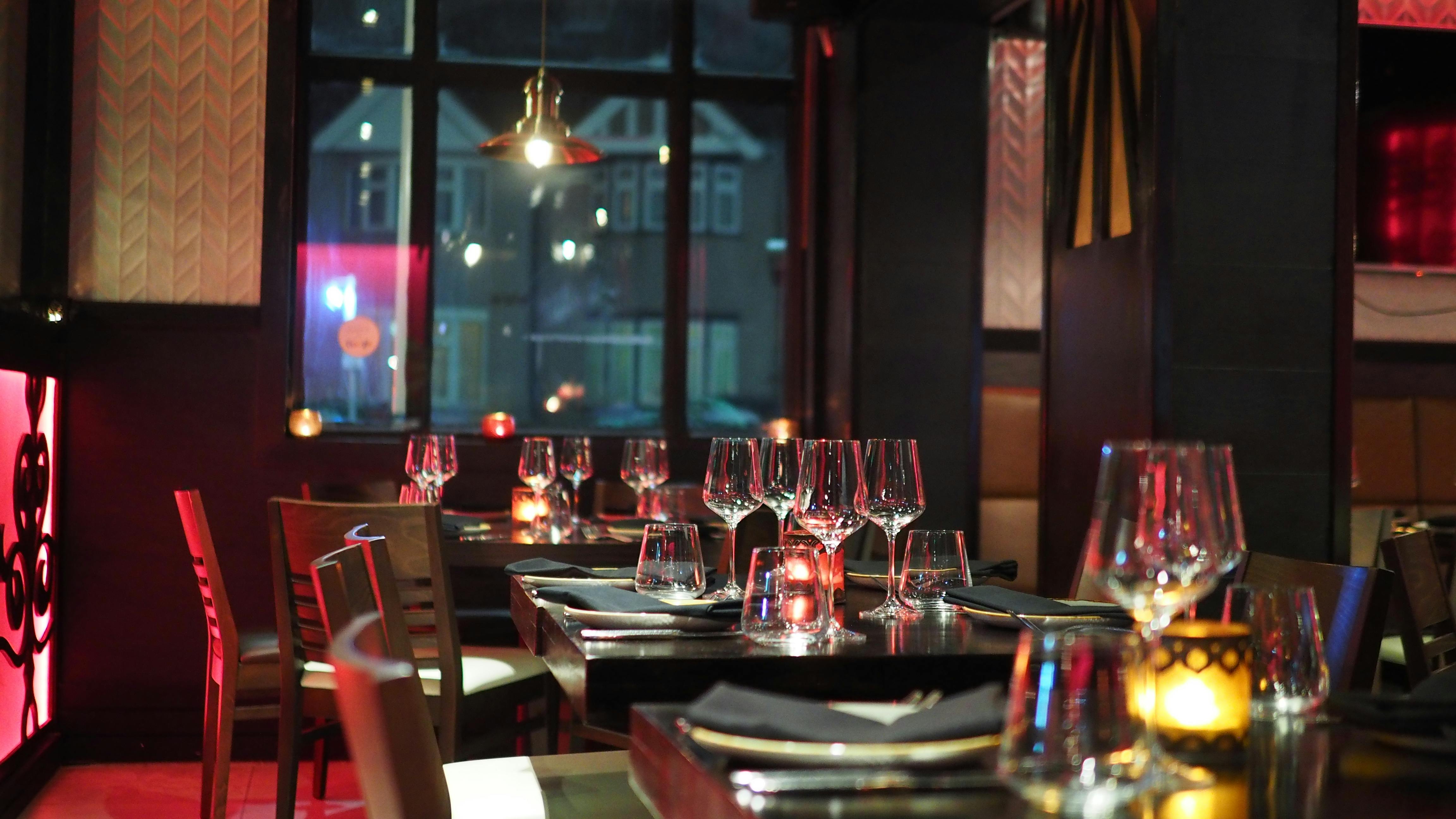
Travel creates a strange kind of dining tunnel vision. We tell ourselves that authenticity must be found down the street, in a tiny room, with no relation to the place where we are sleeping. Sometimes that instinct is useful. Sometimes it blinds us to the fact that hotels can now be among the most locally engaged food institutions in a city.
That evolution is tied to larger guest expectations. J.D. Power’s 2024 North America Hotel Guest Satisfaction findings indicated that perceived value increasingly depends on whether a hotel delivers meaningfully on the overall experience. Food is central to that equation, especially as travelers take fewer trips on average but stay slightly longer and expect more from each stay.
In other words, the meal that surprises you at a hotel is not a fluke. It is often the product of deliberate investment, sharper culinary ambition, and a hospitality strategy built around memorable experiences rather than basic convenience.
Why I Would Tell Any Traveler Not to Dismiss the Dining Room

I would not argue that every hotel restaurant is a hidden gem. Plenty are still functional, forgettable, or overpriced. But dismissing the category outright is increasingly outdated, especially now that hotels are using food to define brand identity, connect with local culture, and compete for non-room revenue in a tougher operating environment.
The American Hotel & Lodging Association has documented continued pressure on hotel economics, while STR has shown that food-and-beverage operations are taking on a more important role in overall performance. That financial pressure has pushed many hotels to become more creative, more locally relevant, and more exacting about what happens in their dining rooms.
So yes, I almost skipped the hotel restaurant. That would have been the worst reservation decision of the trip. The meal I expected to be convenient turned out to be the one that best captured where I was, how I wanted to feel, and why great hospitality still has the power to surprise.