
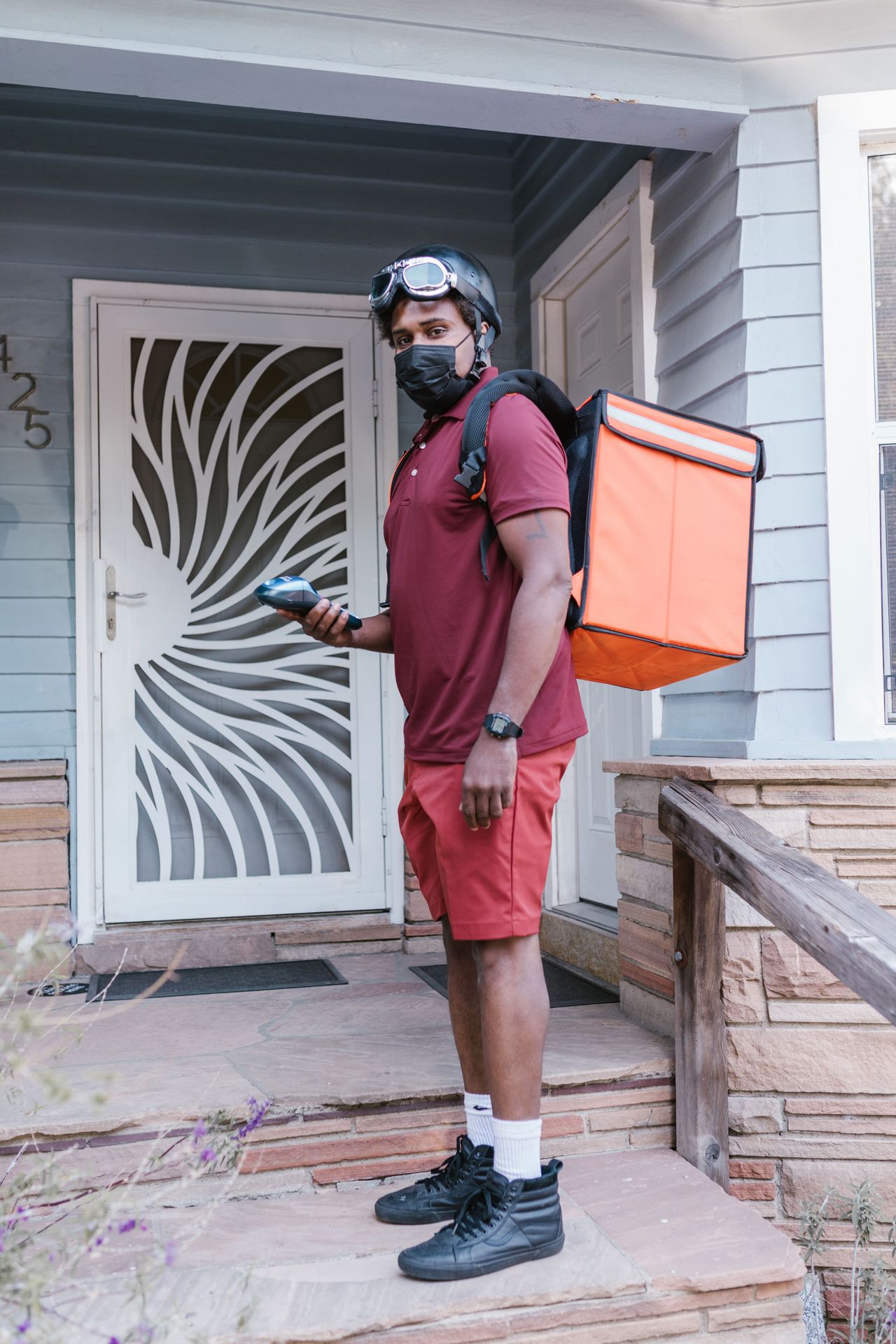
It starts as a convenience and quickly becomes a habit. After two weeks of using 30-minute grocery delivery for nearly everything, I understood why the service feels less like a perk and more like a retail power shift.
What looks like a simple time-saver is actually a new competitive standard. Once groceries can appear at your door faster than a traditional shopping trip, local stores are forced into a battle over speed, margins, and customer loyalty that many never wanted to fight.
The first shock is how quickly convenience rewires your expectations

Using 30-minute delivery for two straight weeks changes the rhythm of home cooking almost immediately. Instead of building a careful weekly list, you start thinking in gaps: one onion short for pasta, no yogurt for breakfast, forgotten limes for tacos. The app turns every missing ingredient into a solvable problem, and that reduces the friction that used to push shoppers toward planning ahead.
That matters because grocery shopping has always depended on routine. Local supermarkets count on weekly or twice-weekly store visits that generate larger baskets and impulse purchases. A fast-delivery platform breaks that pattern by normalizing smaller, more frequent orders that are triggered by immediate need rather than habit.
The major delivery players know this. DoorDash has spent the past few years expanding express grocery options and says it became the leading third-party marketplace in U.S. grocery and retail order volume in 2025, citing YipitData. Instacart, meanwhile, says it partners with more than 1,800 retail banners and nearly 100,000 stores across North America, showing just how broad the digital shelf has become.
For shoppers, that scale feels invisible. What you notice is psychological: the moment you believe groceries can arrive in 30 minutes, the store five miles away no longer feels close. It feels slow.
The economics are worse than they look, even when the order feels cheap
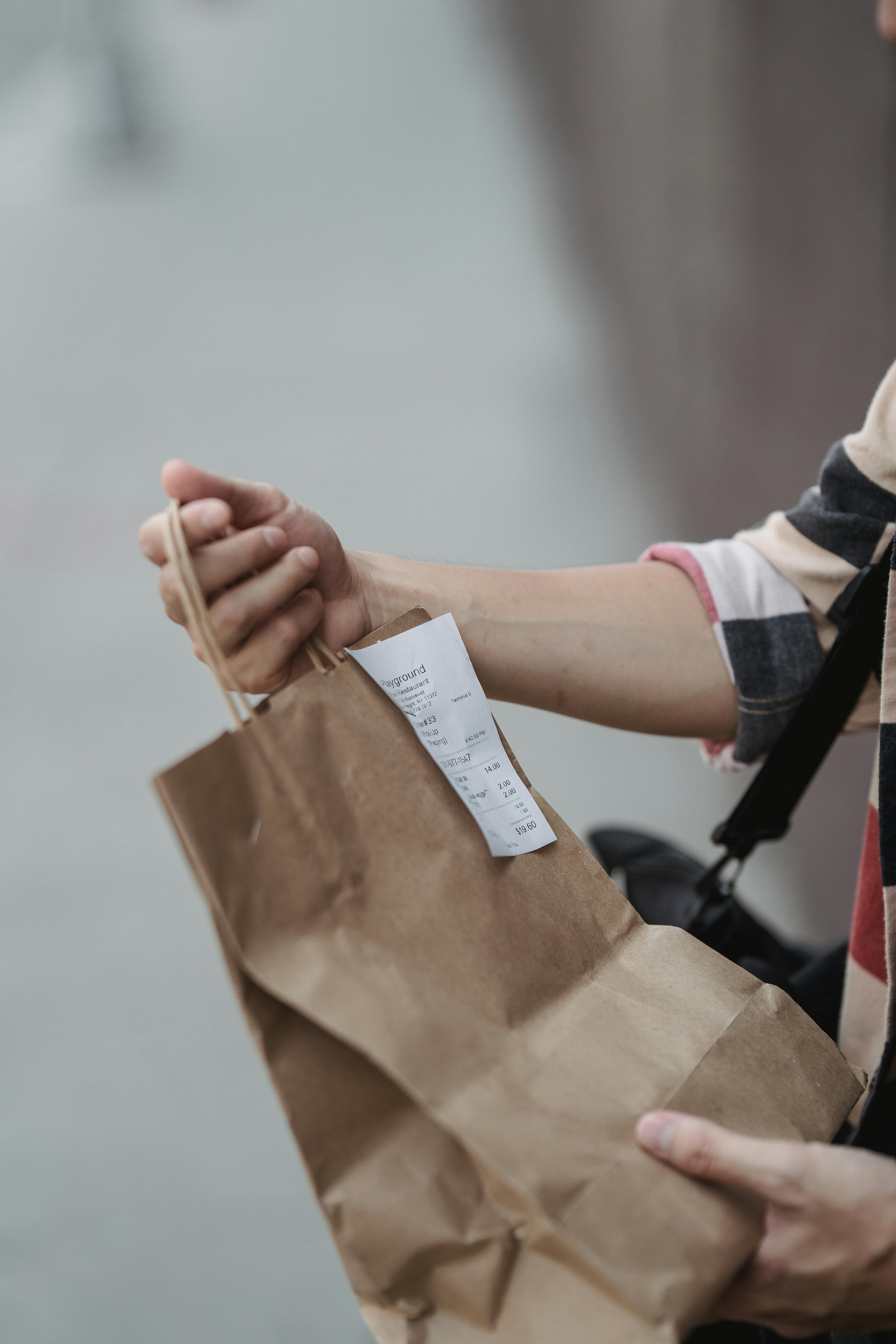
The seductive part of rapid grocery delivery is that the checkout total can appear reasonable, especially if you use a membership plan or a promotion. But the real economics are brutal. McKinsey has estimated that a typical North American grocer might make about $4 on a $100 in-store basket, while an online order can absorb roughly $8 in picking labor and another $8 in last-mile delivery costs before other overhead is considered.
That gap explains the panic. Stores are not just competing on price; they are competing inside a fulfillment model that is inherently more expensive. Even when customers pay delivery fees, those charges often do not fully cover the labor, technology, substitutions, refunds, and transportation that make a 30-minute promise possible.
Recent price comparisons show the consumer side of the tension too. An NBC television investigation published on March 6, 2026 found home-delivery orders added fees ranging from $9.95 to $13.95, with tipping sometimes extra. That means shoppers can save time, but somebody in the chain still absorbs the pressure.
The result is a strange marketplace. Customers think they are buying convenience. Grocers know they may also be buying thinner margins, higher dependence on third-party platforms, and less control over the shopping experience.
Why local stores fear losing the customer relationship more than the sale

A neighborhood grocer can survive competition. What is harder to survive is disintermediation. When orders move through a marketplace app, the platform often owns the search, the promotions, the reorder prompts, the membership perks, and increasingly the first moment of discovery. The store may fulfill the order, but the app controls much of the customer journey.
That is why the expansion of marketplace grocery has become so consequential. DoorDash’s recent grocery growth includes partnerships with major operators such as Kroger as well as regional and local chains. Instacart has gone further by offering not only marketplace delivery but also enterprise technology and in-store tools to independent grocers, making it both a partner and a gatekeeper.
For smaller operators, that creates a difficult choice. Join the platforms and gain digital demand, but surrender a portion of margin and customer ownership. Resist them and risk becoming less visible as shoppers migrate to apps where they can compare stores, filter by delivery speed, and reorder in seconds.
During my two-week test, I noticed how little brand loyalty the app required from me. I was not choosing a store in the old-fashioned sense. I was choosing the fastest acceptable basket. For local grocers, that shift is existential.
Speed is not the only advantage; the apps are building full ecosystems

The strongest 30-minute delivery services are no longer just dispatch networks. They are assembling ecosystems that combine memberships, personalized recommendations, payments, loyalty perks, and broad inventory across grocery, convenience, alcohol, and household essentials. Once a customer uses the app for dinner ingredients, cold medicine, paper towels, and pet food, the platform becomes a default household utility.
That ecosystem effect is already changing market structure. According to FMI and NielsenIQ, online grocery sales drove close to 75% of total grocery dollar growth in 2025, while in-store grocery sales remained relatively stable. That does not mean stores are disappearing. It means digital channels are capturing an outsized share of incremental growth.
The pressure extends beyond national chains. DoorDash has highlighted partnerships with beloved local grocers, while Instacart continues pitching digital storefronts and connected-store technology to independents. Even stores that dislike third-party dependency are being pulled into the system because shoppers increasingly expect speed, visibility, and easy reordering.
After two weeks, I could see the strategic trap. Local stores are not merely responding to delivery demand. They are being asked to operate inside someone else’s operating system.
The hidden trade-off is that fast delivery makes shopping less intentional
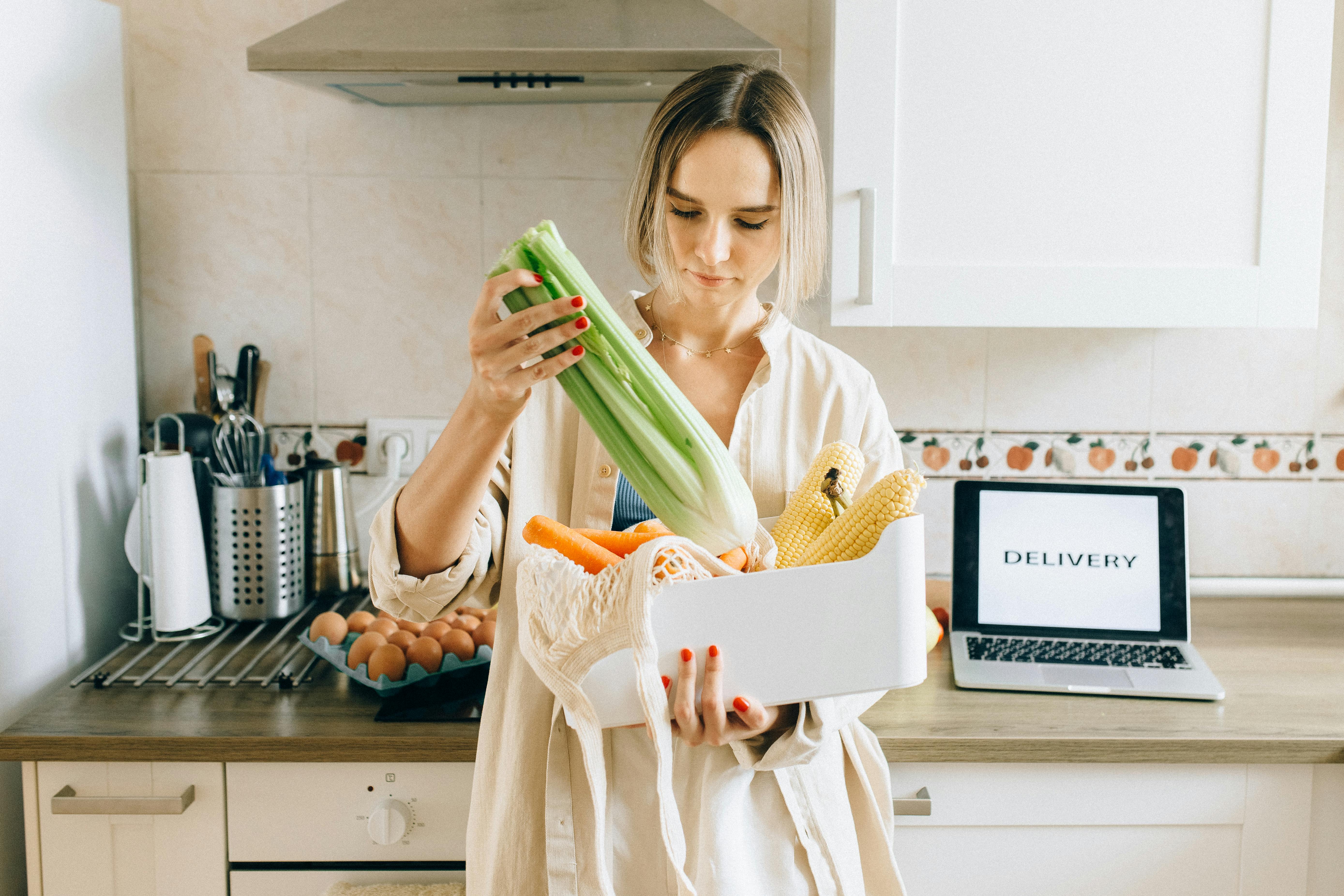
One of the most surprising effects of 30-minute grocery delivery is behavioral. It encourages reactive shopping. Because the service is built around speed, the temptation is to solve the immediate problem rather than think through the full week’s meals, the pantry, or the budget. That can mean more fragmented spending and more frequent small orders.
For some households, that is genuinely useful. Parents, caregivers, and workers juggling unpredictable schedules may find rapid delivery transformative. Industry groups and retailers have also emphasized accessibility benefits, especially as SNAP/EBT acceptance expands across more delivery-enabled stores. DoorDash says consumers can now use SNAP/EBT for on-demand delivery at more than 50,000 stores.
But the convenience comes with subtle costs. Smaller orders can raise the fee burden per item, and repeated app use can weaken price awareness. Consumers may notice service fees while missing higher item prices or the cumulative impact of multiple shortfall orders over a month.
That was my clearest personal takeaway. I was shopping more often, deciding faster, and feeling less attached to the true cost of the basket. For a local grocer trying to preserve deliberate, high-value store visits, that consumer shift is alarming.
Why the panic is rational, but not every local store is doomed
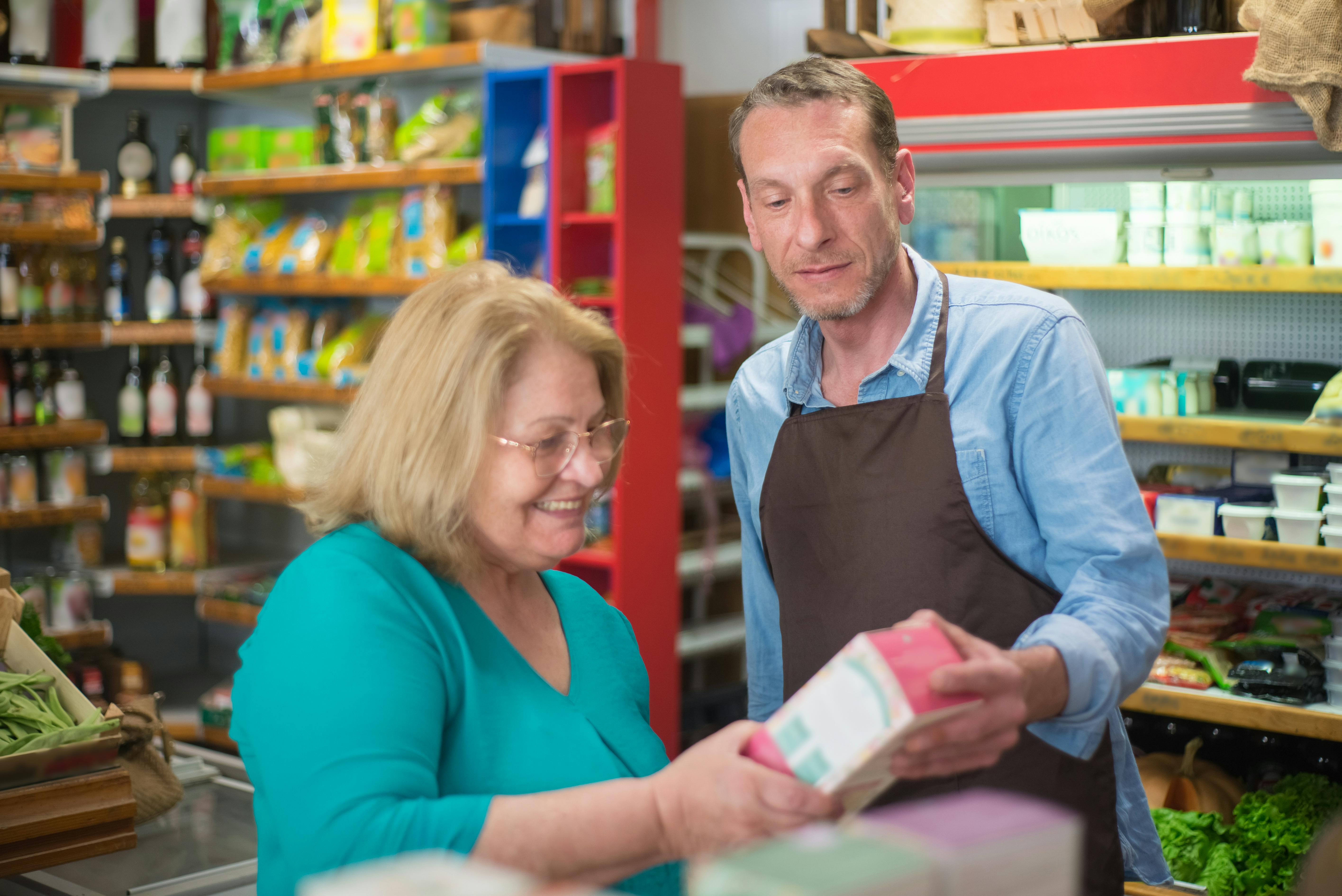
Local stores are panicking for understandable reasons. The competitive field has moved from location and assortment to logistics, app design, and delivery density. If a platform can promise fresh groceries in under 30 minutes, the old strengths of proximity and familiarity lose some of their protective power.
Still, panic is not the same as defeat. Many regional and independent grocers are adapting by using third-party marketplaces selectively, strengthening prepared foods, emphasizing specialty products, and investing in owned digital channels where they can. Instacart and DoorDash are both courting these merchants because local assortment remains valuable; speed alone is not enough if the produce is poor or the selection is generic.
The likely future is not a world without stores. It is a world where stores that cannot translate their strengths into a digital, on-demand format become vulnerable much faster than before. The winners may be the grocers that make delivery feel like an extension of neighborhood trust rather than a substitute for it.
After two weeks, I understood the shopper appeal completely. I also understood the fear. When convenience becomes instant, the businesses that once owned your routine can lose it in a season.