
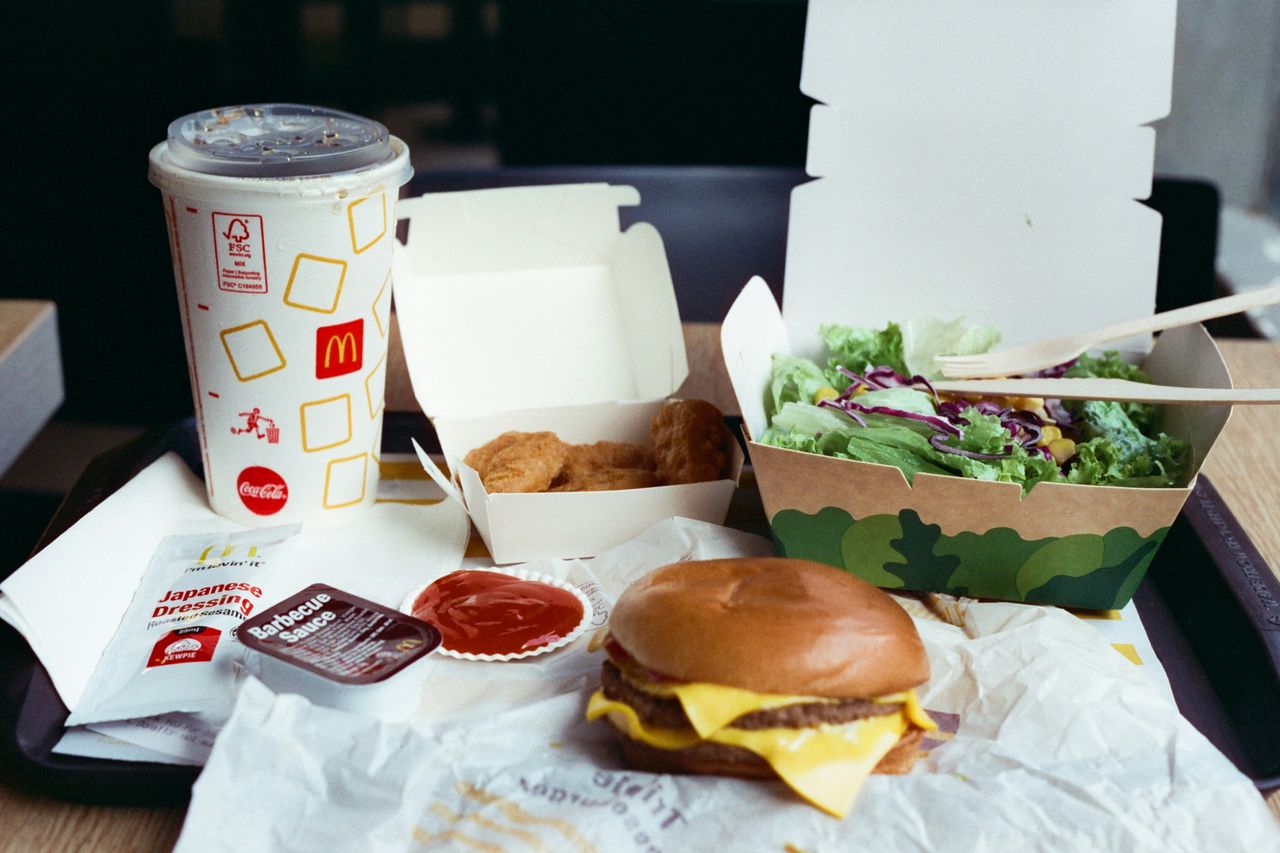
There is something disarmingly effective about a fast-food collectible. Even when you know the marketing strategy cold, the right cup or toy can bypass adult skepticism and hit a much older emotional reflex.
That is exactly what happened when I tried McDonald’s FIFA World Cup 26 Meal. The food was predictable in the way McDonald’s wants it to be, but the collectible cup transformed the experience from routine drive-thru stop into something that felt surprisingly joyful.
A global promotion built for emotion as much as appetite
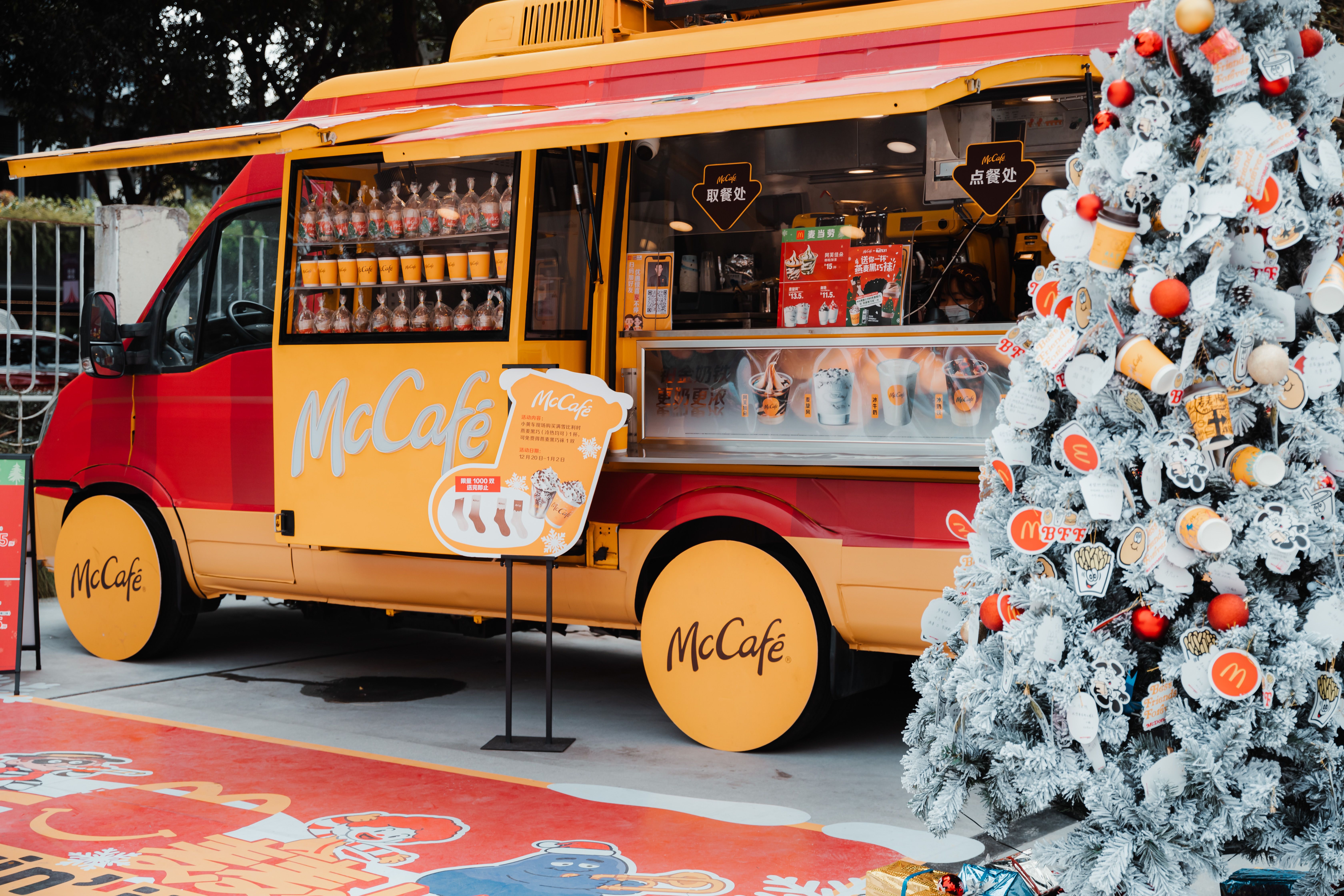
McDonald’s launched its FIFA World Cup 26 promotion in early June, positioning the campaign as a worldwide celebration tied to the biggest event in soccer. According to the company, participating restaurants are offering a limited-time FIFA World Cup 26 Meal and Happy Meal, with collectible keepsakes included to extend the occasion beyond the food itself. In the U.S., the adult meal centers on a choice of a Big Mac or 10-piece Chicken McNuggets, while some breakfast pairings and specially packaged Big Mac Sauce are also part of the broader campaign. That framework matters because it shows McDonald’s is not merely selling lunch; it is selling event status.
The collectible element is the real engine of the campaign. McDonald’s said U.S. customers can receive one of nine cups tied to soccer stars and brand iconography, including Christian Pulisic, David Beckham, Ronaldinho Gaúcho, Thierry Henry, Son Heung-Min, Lamine Yamal, Alphonso Davies, Santiago Gimenez, and Grimace. In other markets, the exact number of cups appears to vary, which underlines the scale and local tailoring of the rollout. That kind of regional flexibility is common in global promotions, but it also reinforces the idea that these cups are not generic packaging. They are the centerpiece.
What makes this especially resonant is timing. McDonald’s has spent the past two years leaning into nostalgia through collectibles, including its 2024 Collector’s Edition cup launch that revived memories of older McDonald’s keepsakes and pop-culture tie-ins. The company openly framed that earlier campaign around “nostalgic joy,” and the new World Cup promotion feels like a more event-driven evolution of the same strategy. Instead of asking adults to remember one old toy or mug, McDonald’s is attaching that memory reflex to a live sports moment with global momentum already built in.
That is why the meal lands differently than an ordinary limited-time combo. The World Cup branding gives it urgency, the athlete lineup gives it cultural legitimacy, and the cup gives it emotional weight. Even before the first bite, the promotion is engineered to feel like participation in something larger than lunch, which is a clever and highly McDonald’s-style piece of mass-market storytelling.
The meal itself is familiar, but the presentation does a lot of work

Ordering the World Cup Meal did not feel radically different from ordering any other McDonald’s combo, and that is part of the point. In the U.S., the promotion is built around existing menu anchors rather than a high-risk, flavor-forward innovation. I opted for the Big Mac version, because if a campaign is leaning this hard on McDonald’s iconography, it makes sense to go with the sandwich most closely associated with the brand. The burger delivered exactly what it always does: soft bun, shredded lettuce, pickles, onions, that unmistakably sweet-savory sauce, and a texture profile that is more comforting than exciting.
That familiarity could be criticized as unimaginative, but it is also strategically sound. A globally marketed sports meal has to travel well across audiences, and McDonald’s knows its classic items are more reliable vehicles than novelty sandwiches would be. The special gold-packaged Big Mac Sauce adds a small but smart theatrical touch. It does not reinvent the flavor, yet it signals occasion, and fast food often depends on those tiny cues to make standard products feel temporarily elevated.
The fries and drink do what fries and drinks at McDonald’s are supposed to do: fill out the experience and keep the meal comfortably in the lane of low-stakes indulgence. Nothing about the food alone would justify breathless praise, but that is not really a knock. Plenty of successful promotional meals are less about culinary surprise than about how packaging, scarcity, and pop-culture framing reshape the consumer’s perception of familiar food. This is one of those cases.
What stood out most while eating was how thoroughly the collectible shifted my attention. Instead of evaluating only the sandwich, I found myself examining the cup between bites, turning it in my hand, checking the graphic treatment, and immediately wondering what the other versions looked like. That is a very different mental posture from ordinary lunch consumption. McDonald’s effectively converts a meal into a mini unboxing moment, and once that happens, the food becomes one component of a broader sensory experience rather than the whole story.
Why the collectible cup hits such a powerful nostalgic nerve

The cup is where the campaign becomes emotionally intelligent. Collectibles work because they combine chance, memory, and ownership in a single object. You are not just receiving packaging; you are being handed a souvenir that implies there are others out there, some you might prefer, some harder to find, all linked to a larger set. That logic taps directly into childhood habits, whether your formative reference point is Happy Meal toys, trading cards, themed cereal prizes, or movie tie-ins from chain restaurants.
McDonald’s understands this dynamic exceptionally well. When the company introduced its global Collector’s Edition cups in August 2024, it explicitly tied the release to decades of beloved McDonald’s memorabilia, from older character mugs to pop-culture collaborations involving brands like Barbie, Shrek, Hello Kitty, and Beanie Babies. The message was clear: these objects matter because they are memory triggers. The World Cup 26 cup follows the same blueprint, but with sports celebrity layered on top, making it feel current and retro at once.
Holding one in your hand creates an oddly specific kind of pleasure. It is not luxury, and it is not even especially rare in an absolute sense. But it feels scarce enough, branded enough, and playful enough to activate the collector instinct. The design I received had the bright, promotional clarity that fast-food merch needs, but it also carried enough personality to avoid feeling disposable. That balance is harder to strike than it seems. If a collectible looks too much like standard packaging, it gets tossed. If it looks too overproduced, it can feel cynical. McDonald’s lands somewhere in the middle.
What surprised me was how quickly the object collapsed time. For a moment, I was not evaluating campaign mechanics, sponsorship logic, or menu pricing. I was just happy to have gotten a cool cup with my meal. That is a deeply childlike response, and in a culture where most transactions are optimized for speed and frictionless utility, it feels almost radical. The cup created a pause, a tiny pocket of delight, and that may be the most valuable thing in the entire promotion.
McDonald’s is using sports, scarcity, and fandom with precision
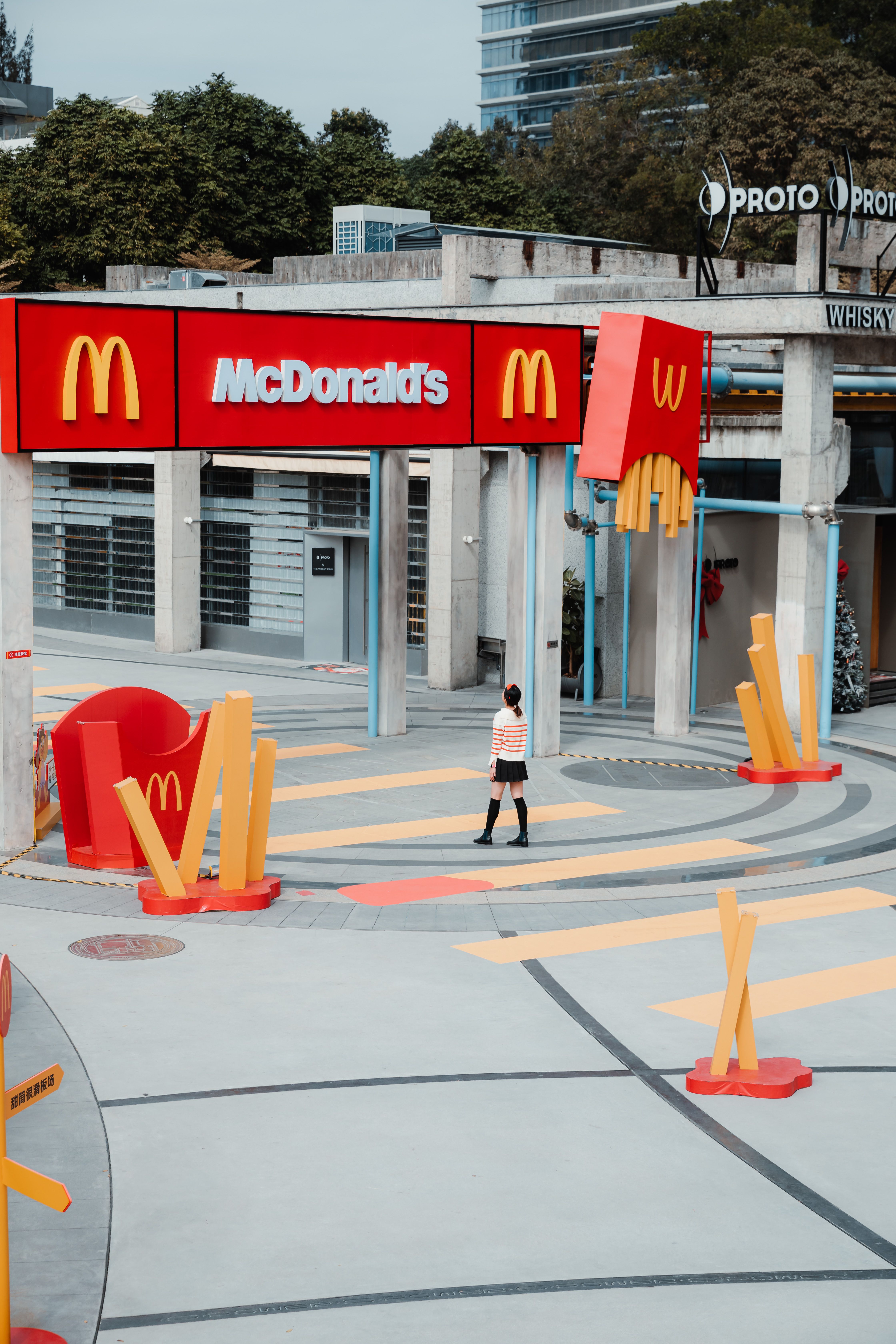
From a business standpoint, the World Cup Meal is a neatly calibrated piece of brand strategy. McDonald’s is one of the world’s largest foodservice companies, with more than 45,000 locations across over 100 countries, so when it ties itself to a global event, the scale is enormous. FIFA, meanwhile, offers a ready-made emotional infrastructure: national pride, household-name athletes, appointment viewing, and repeat attention over weeks. Bringing those forces together allows McDonald’s to turn a basic meal occasion into a recurring ritual linked to match days, watch parties, and social sharing.
The cup lineup sharpens that strategy by connecting broad event fandom to individual player attachment. A customer who might shrug at generic World Cup branding could become more motivated if there is a chance to get Beckham, Pulisic, Henry, or Ronaldinho. Including Grimace alongside soccer icons is also classic McDonald’s brand balancing. It reminds customers that this is still a playful McDonald’s universe, not a sterile sports licensing exercise. That mix widens the campaign’s appeal across both serious fans and more casual customers.
There is also a practical reason these promotions keep working: they add perceived value without requiring a full menu overhaul. A collectible cup can reshape the emotional calculus of a purchase at relatively low friction for the consumer. Even if the meal is built from familiar products, the keepsake reframes the transaction as limited-time participation. In a crowded quick-service environment, that matters. Consumers are not always looking for culinary innovation; often they are looking for a reason to choose one routine over another.
Recent fast-food marketing has repeatedly shown that people respond to merchandise-adjacent experiences, especially when they feel fleeting. Celebrity meals, movie tie-ins, nostalgia-driven packaging, and gamer crossovers all point to the same conclusion: consumers increasingly want food purchases to carry identity signals and story value. McDonald’s World Cup campaign understands that instinct. It is not asking the burger to do all the work. It is asking fandom, memory, and collecting behavior to lift the meal into something more emotionally resonant.
The verdict: a decent meal, a smart campaign, and a genuinely fun keepsake
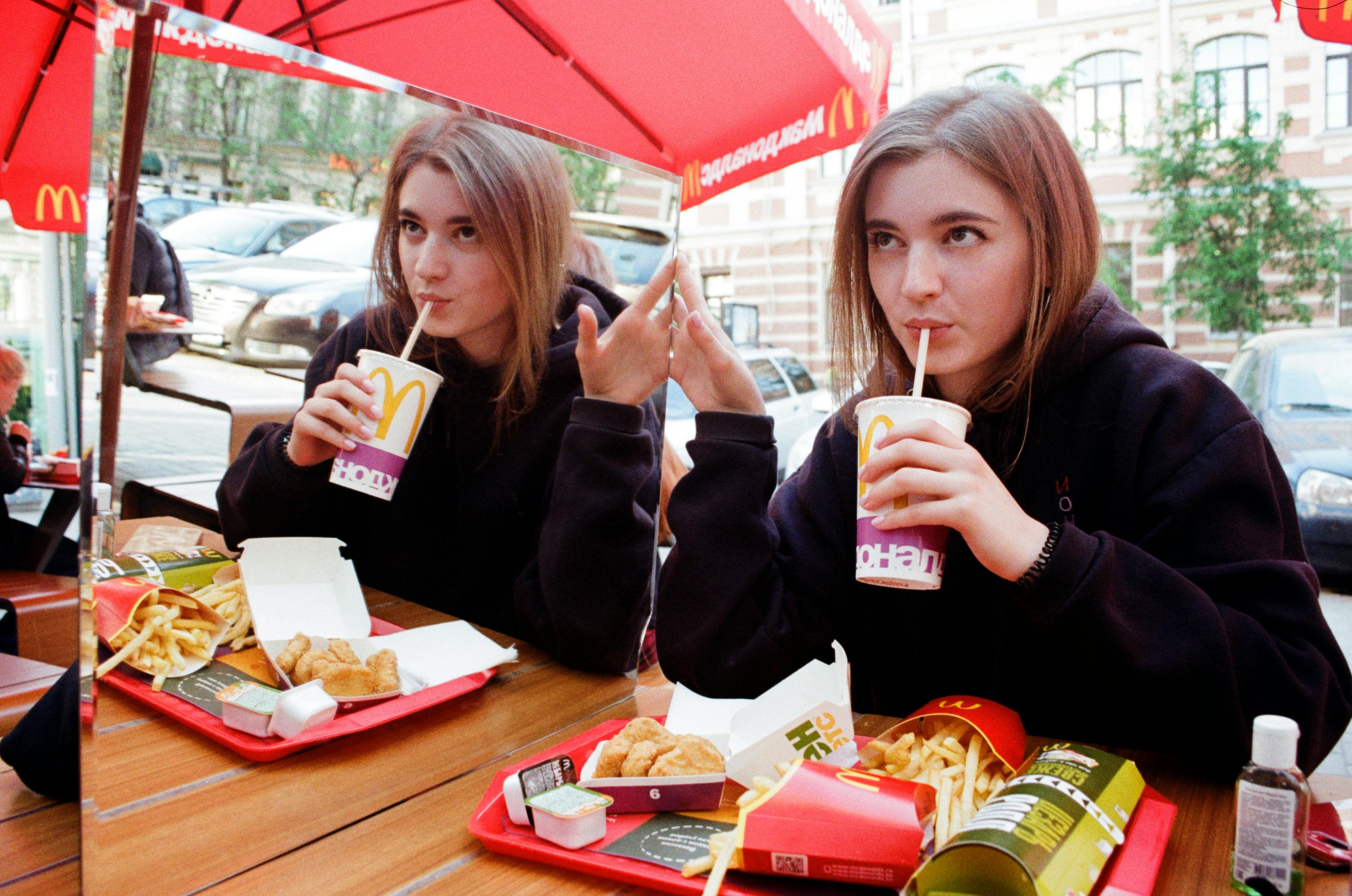
If the question is whether the World Cup Meal is worth trying for food alone, the answer is probably moderate rather than emphatic. It is McDonald’s doing McDonald’s: consistent, familiar, comforting, and more satisfying as a craving solution than as a culinary event. Anyone expecting a dramatic menu innovation may come away underwhelmed. But that would also miss what this promotion is designed to accomplish.
The collectible cup is the real value proposition, and it succeeds because it makes the meal feel memorable in a way the burger by itself does not. That distinction matters. Fast food often lives or dies on habit, but the promotions people talk about later are the ones that create a physical reminder of the experience. A cup on the shelf, on the desk, or in the back of the cabinet can keep the campaign alive long after the fries are gone. That lingering presence is powerful branding, but it is also, for many people, sincere fun.
What I appreciated most was that the promotion did not need irony to work. There is a temptation for adults to treat collectibles like guilty pleasures or kitsch. Yet this one felt straightforwardly enjoyable. The cup delivered the small thrill of surprise, the pleasure of themed design, and the unmistakable flashback to being young enough to think the extra thing in the bag might be the best part of the meal. In this case, it was.
So yes, I tried McDonald’s World Cup Meal, and the food was fine. The cup, though, was the detail that mattered. It made the whole experience feel less like a transaction and more like an occasion, and for a few minutes it brought back the uncomplicated excitement of being a kid again. In a fast-food landscape built on speed, that little spark of wonder is not nothing. It may be the smartest thing McDonald’s is serving this summer.