
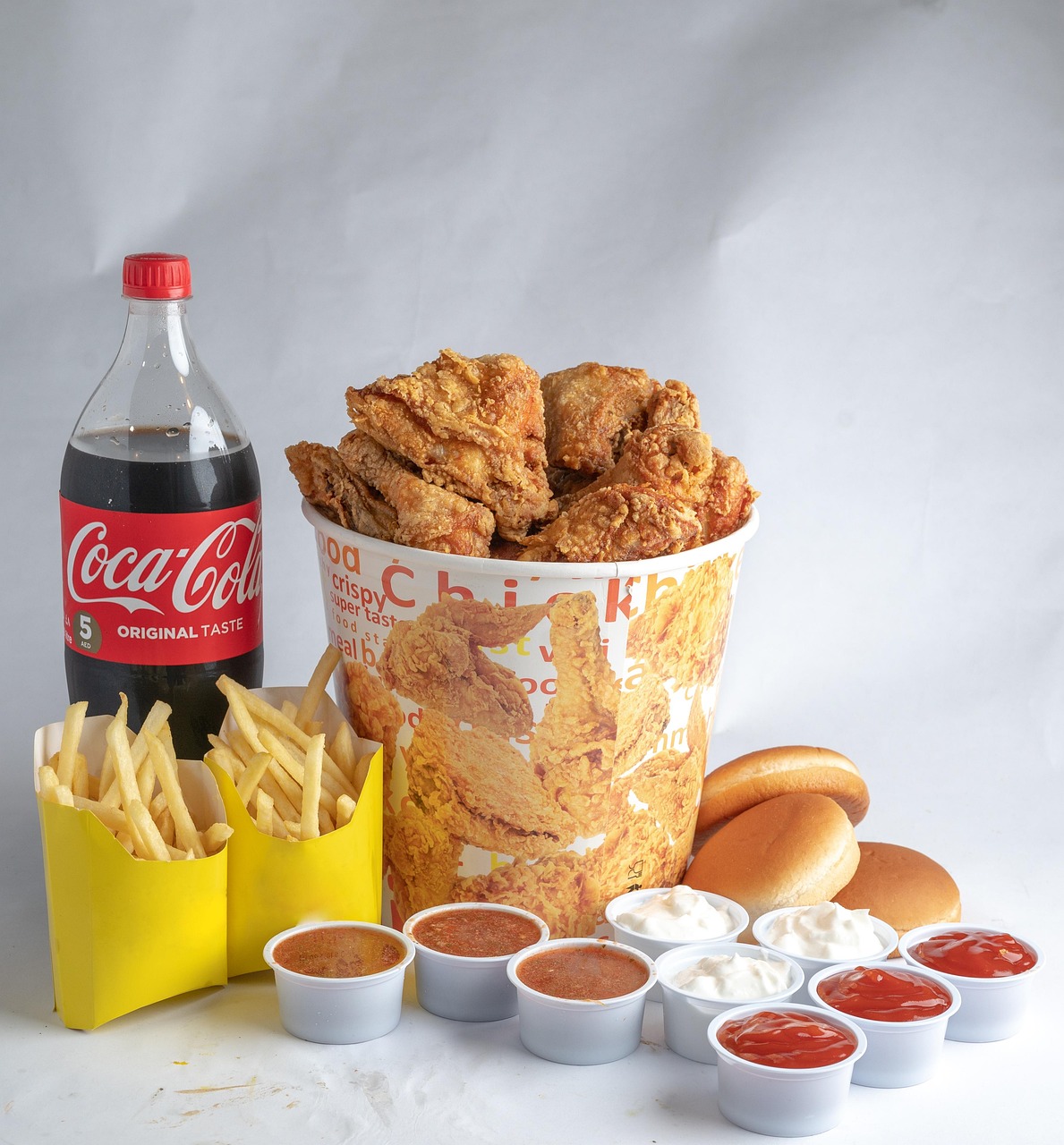
Fast food has entered a new phase, and it is hard to miss. The loudest signals are no longer novelty burgers or flashy desserts, but a one-two punch of sharper value and more chicken.
What looks like a passing promotion is turning into a full industry reset. Across the biggest chains, executives, analysts, and menu launches all point to the same conclusion: consumers want fast food to feel worth it again, and brands are reorganizing around that demand.
Why value has become the defining fast food battleground
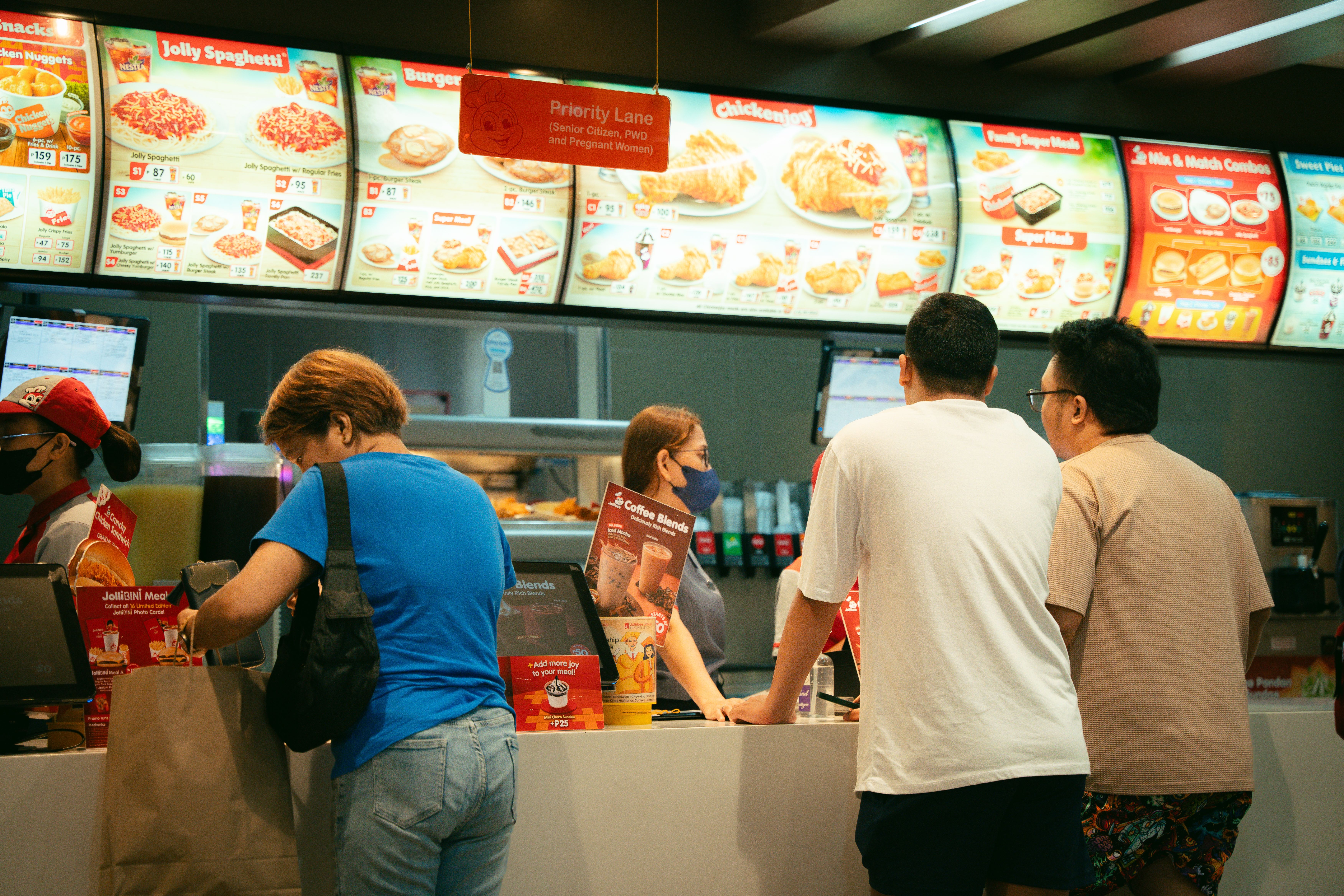
The most visible shift in fast food is the return of value as a central brand promise rather than an occasional coupon. After years of rising menu prices, chains discovered that customer frustration had reached a tipping point. According to Reuters, McDonald’s beat sales estimates in late 2025 in part because affordable meal offers pulled in more cautious diners, while other major chains rolled out cheaper bundles and limited-time offers to defend traffic. AP reported that McDonald’s leadership also said its McValue platform was helping bring some U.S. traffic back even as overall fast food visits remained soft.
That is why the current wave feels more structural than promotional. McDonald’s formally launched its McValue platform in the U.S. on January 7, 2025, combining the $5 Meal Deal, digital offers, local deals, and buy-one-add-one pricing into a more permanent system. Industry observers quickly saw the launch not as a one-off response, but as an acknowledgment that diners had become deeply price sensitive. Circana said value would remain a crucial strategy for restaurants, and its 2025 foodservice reporting showed consumer-perceived value menu traffic rising 1% in the quarter ending June 2025.
The importance of that number goes beyond a small percentage gain. In a restaurant environment where traffic has been sluggish, even slight growth tied specifically to value platforms stands out. It suggests consumers are not simply looking for less expensive food; they are actively rewarding chains that make affordability legible and easy to access. The difference matters. Shoppers under inflation pressure do not want to solve a puzzle at the drive-thru. They want to know immediately what the deal is, what it includes, and whether it feels better than cooking at home.
That has changed the language of competition. Executives are talking less about premiumization alone and more about entry price points, bundle clarity, and frequency. The old fear was that leaning too hard on discounts would cheapen the brand. The newer fear is the opposite: that failing to communicate value clearly will push customers to rivals, convenience stores, grocery prepared foods, or simply back into their own kitchens.
The chicken surge is no side story anymore
At the same time value has tightened its grip on fast food strategy, chicken has become the category that chains seem least willing to ignore. It is no longer just the domain of dedicated chicken brands. Taco Bell, one of the clearest examples, brought back Crispy Chicken Nuggets and said the move was part of a broader ambition to make crispy chicken permanent by 2026. In 2026, the company continued to expand that push with additional chicken innovations previewed at its Live Más event and highlighted in subsequent announcements.
This matters because Taco Bell is historically a taco-first chain, not a chicken-nugget specialist. When a brand with that identity starts investing heavily in crispy chicken formats, it signals that chicken is now considered essential traffic-driving real estate. Restaurant industry coverage has described 2025 as a major season for chicken menu launches, with chains introducing tenders, wraps, nuggets, and sandwiches in rapid succession. The category’s appeal is obvious: chicken is portable, familiar, adaptable to sauces and limited-time flavors, and broadly acceptable across age groups.
There is also a practical side to the trend. Chicken travels well in a way some burgers do not, making it well suited to delivery, drive-thru, and eat-in-car occasions. It can be framed as indulgent when breaded and fried, but it can also be marketed as lighter or more versatile depending on the preparation. That flexibility gives chains room to speak to multiple consumer moods without abandoning operational efficiency. One protein can support snack items, combo meals, premium sandwiches, family bundles, and kids-focused orders.
Chicken’s rise is also linked to social media behavior and menu experimentation. Nuggets, tenders, wraps, and sauced chicken bites are highly photographable, easy to review, and easy to compare across chains. They lend themselves to ranking culture and taste-test videos. In a digital environment where buzz can be built around texture, sauce choice, and limited availability, chicken offers more room for iteration than many legacy menu staples.
The result is a market where even brands known for burgers or Mexican-inspired fare increasingly act as if they need a serious chicken plan. That is no accident. It is a strategic response to consumer demand, competitive imitation, and the search for menu items that can generate repeat visits without requiring a complete brand overhaul.
Why these two trends are colliding at exactly the right moment
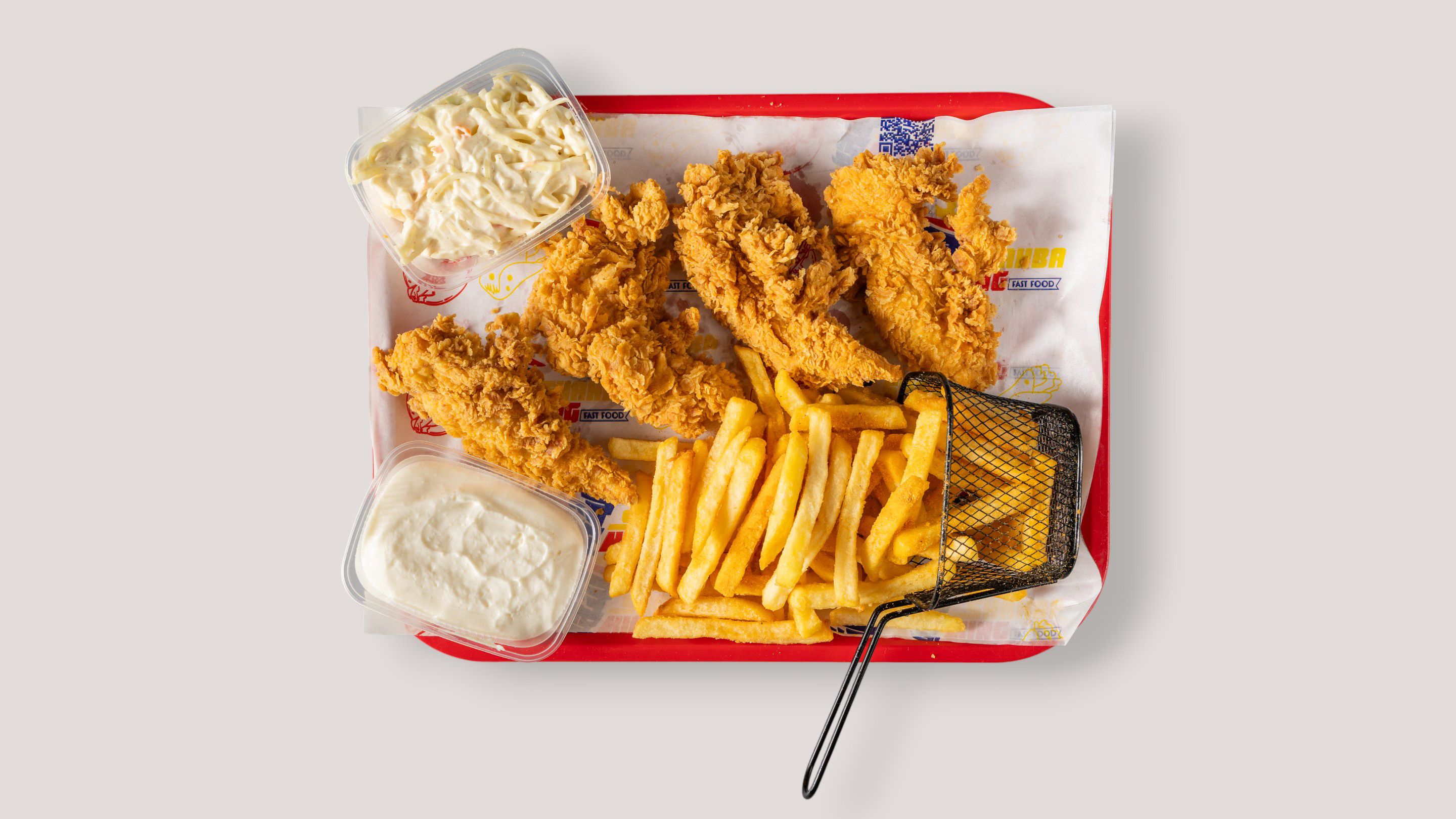
Value and chicken are not separate stories. They are converging because together they answer the two biggest questions diners ask right now: Is this affordable, and is it something I actually want? A value offer can get attention, but it works better when the featured food feels contemporary and craveable. Chicken fills that role neatly. It gives chains a way to sell an item that seems current and satisfying while still bundling it into an approachable price point.
Taco Bell’s pricing around chicken shows how neatly the strategy can work. When the chain reintroduced Crispy Chicken Nuggets, trade coverage noted combo pricing built around familiar psychological thresholds, including offerings around the $5.99 and $8.99 marks. McDonald’s, meanwhile, used the $5 Meal Deal and later promoted additional value frameworks such as McValue and Extra Value Meals. Across the category, Axios noted that the industry increasingly rallied around low-cost meal structures as chains tried to attract customers trading down.
That convergence is happening during a period of unusually selective spending. AP reported in June 2026 that U.S. consumers were still spending, but many were reassessing what they buy and where as costs for essentials such as gas, food, clothing, and insurance remained elevated. In that kind of environment, fast food has to justify itself more clearly than before. It is not enough to be quick. It has to feel like a smart use of money and a satisfying break from routine.
Chicken helps chains make that argument because it often carries a more versatile value perception than beef. Consumers may see nuggets, tenders, or wraps as easier everyday purchases, especially when grouped into bundles. They can feel sharable, snackable, and customizable. For chains, that means a better chance of attaching fries, drinks, sauces, and desserts to a protein consumers already perceive as familiar and flexible.
This is the deeper reason the trend seems impossible to ignore. It is not one fad replacing another. It is a business model adaptation. Fast food brands are learning that the safest way to protect traffic is to pair obvious savings with menu items that feel habit-forming. Value gets the customer in the lane. Chicken gives them a reason to come back.
What the biggest chains are teaching the rest of the industry
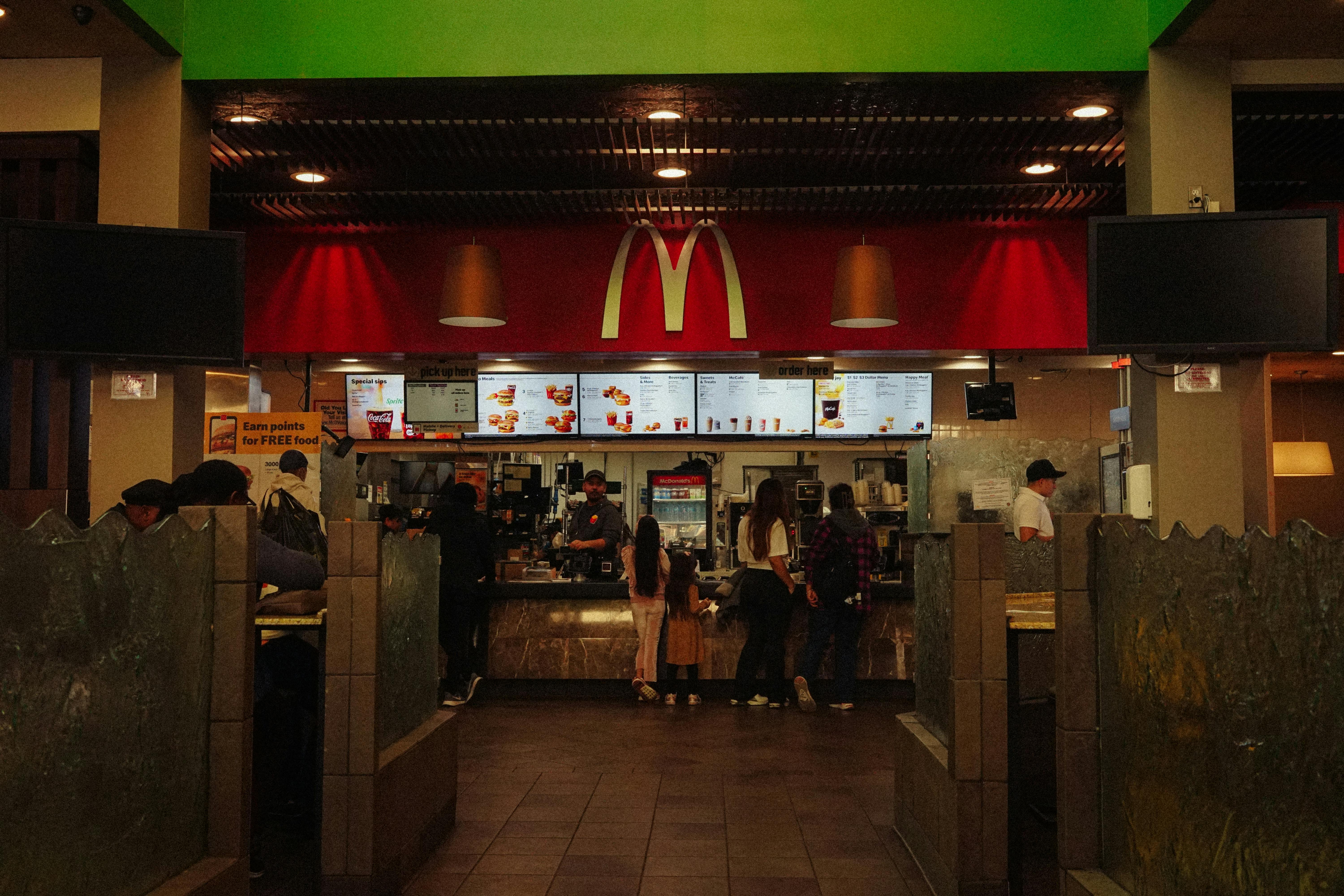
McDonald’s has become the clearest case study in how much disciplined value messaging can matter. Its January 2025 McValue launch was designed to organize a fragmented set of offers into a recognizable platform. By August 2025, AP reported that company leadership said the strategy was bringing some U.S. traffic back even as industrywide visits had slowed. Reuters similarly tied stronger-than-expected sales to affordable meal offers that resonated with budget-conscious consumers. For rivals, the lesson was unmistakable: value is more powerful when it is branded, repeated, and easy to understand.
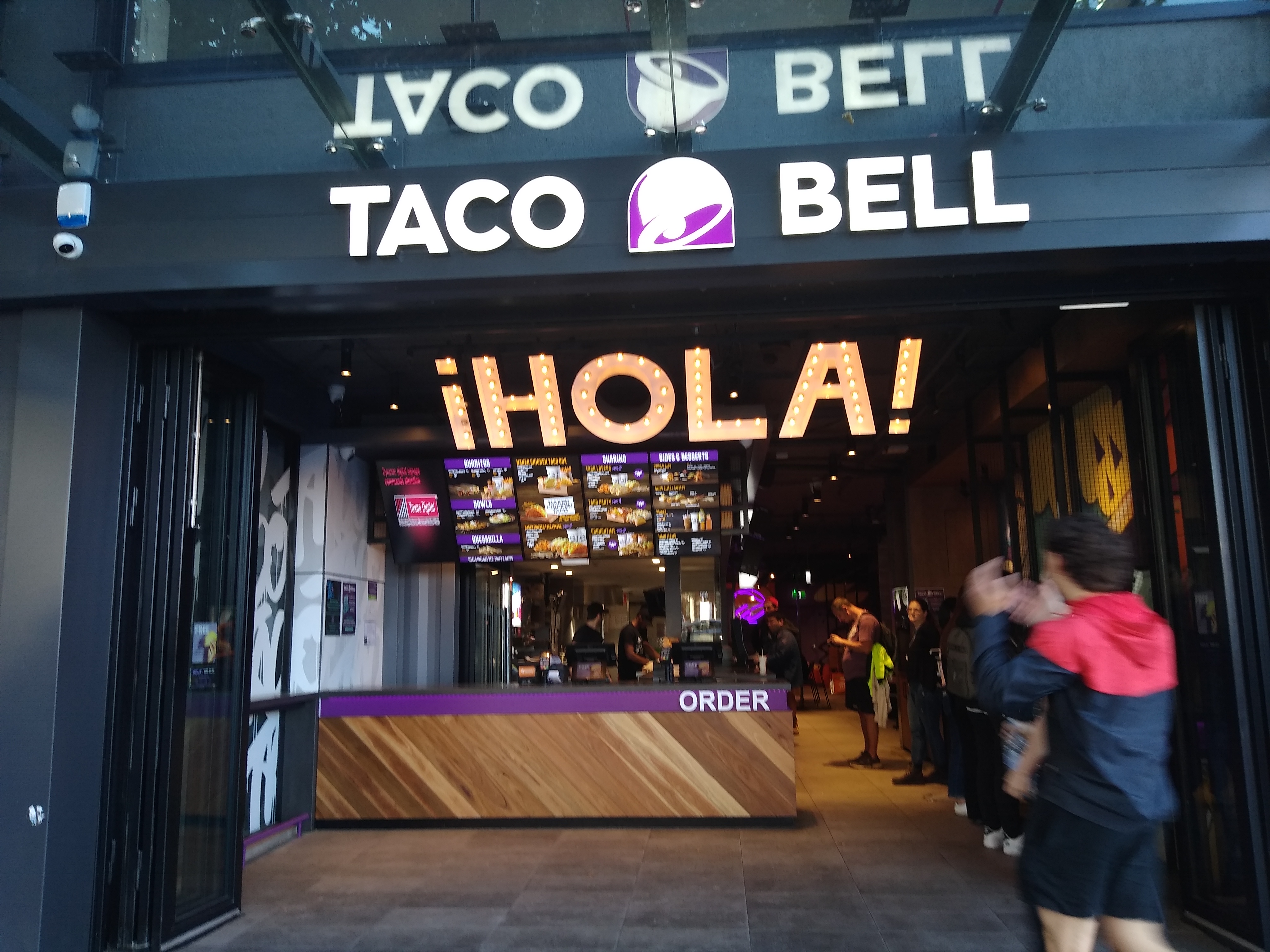
Taco Bell has offered a complementary lesson from the menu side. Rather than leaning only on lower pricing, it has fused value with product momentum. Its Luxe Value Menu featured lower-priced items, while its repeated investment in crispy chicken signaled that bargain messaging works best when backed by menu excitement. That combination keeps the brand from feeling defensive. Instead of telling customers merely that food is cheaper, it tells them there is something new worth trying that also does not feel overpriced.
Burger King, Subway, Wendy’s, and others have followed similar playbooks in different forms. Industry reporting throughout 2025 showed chain after chain refreshing or relaunching value platforms, often alongside product pushes meant to widen appeal. The message to the wider restaurant business has been that promotions alone are not enough. Chains need a coherent reason for customers to reconsider them, and that reason increasingly combines affordability, portability, and menu familiarity.
There is also a branding lesson here. For years, some companies tried to climb the ladder by emphasizing premium ingredients, elevated sandwiches, or limited-time indulgence. Those tactics are not disappearing, but they are being tempered by a new realism. Consumers may still want novelty, but they want it under a price ceiling. They may still enjoy premium upgrades, but only if the base offer feels fair. In that environment, chicken and value perform beautifully because they can satisfy both the emotional and practical sides of the purchase.
Smaller chains and regional players are watching carefully. They do not need to copy every item, but they do need to understand the broader shift in expectations. Fast food customers are signaling that they no longer separate menu excitement from price sensitivity. They want both at once, and the chains that deliver both most clearly are setting the pace for everyone else.
What this trend says about the future of fast food
The bigger takeaway is that fast food is being redefined around trust. For much of the past decade, chains focused on speed, convenience, and attention-grabbing launches. Those still matter, but the customer relationship now hinges more heavily on a basic promise: if you stop here, you will get a meal that feels current, filling, and fairly priced. That may sound simple, but it is a profound recalibration for an industry that spent years testing how far pricing power could go.
Expect value platforms to become more permanent, more segmented, and more digitally integrated. McDonald’s has already shown the model: a national value identity supported by app offers, local deals, and multiple bundle tiers. Circana’s analysis suggests value is likely to remain central, but the winning versions will go beyond simple discounting. That means sharper merchandising, clearer menu architecture, and more personalized offers rather than endless across-the-board markdowns.
Expect chicken to remain the preferred canvas for experimentation. It can handle regional flavors, spicy variations, snack formats, and combo engineering better than almost any other core fast food ingredient. Taco Bell’s commitment to making crispy chicken a longer-term part of its business illustrates how far this has gone. What began as a limited-time novelty now looks more like a blueprint. Other chains will continue to chase share with wraps, tenders, nuggets, and sauced formats that can slot into value meals or stand alone as premium add-ons.
For consumers, this may be one of the more welcome industry shifts in years. A clearer value proposition makes ordering less frustrating. A broader chicken lineup creates more variety without requiring a leap into unfamiliar territory. For operators, the pressure will be intense. Once customers get used to transparent bundles and strong chicken options, they will be less forgiving of menus that feel overpriced, confusing, or stale.
That is why this trend feels so dominant right now. It is not merely about deals, and it is not merely about poultry. It is about fast food rediscovering the formula that built the category in the first place: familiar food, obvious convenience, and a price that feels like a win.