
Pantry planning is not panic buying. It is a practical way to protect your budget when staple grocery categories keep edging higher.
The smartest stock-up foods are the ones you already use, store easily, and can turn into real meals with almost no waste.
Why shelf-stable staples still make financial sense
The latest USDA outlook shows food-at-home prices are expected to rise 3.2 percent in 2026, faster than the long-run average for groceries. USDA also says 9 of its 15 tracked grocery categories are forecast to rise faster than their 20-year historical average this year, including fish and seafood, processed fruits and vegetables, sugar and sweets, and nonalcoholic beverages. That matters because many pantry foods sit directly inside those categories or depend on the same supply chains.
A smart stock-up strategy is not about chasing every sale. It is about buying versatile items before the next round of increases hits categories tied to packaging, transportation, imported ingredients, and commodity volatility. Reuters and USDA reporting have both highlighted how weather, trade disruptions, and farm-level cost swings can keep food inflation uneven even when headline numbers look calmer.
That is why shelf-stable foods remain such strong value plays. They give households time flexibility, reduce expensive last-minute store runs, and let shoppers buy when prices are favorable instead of when the pantry is empty.
The 9 foods most worth buying now
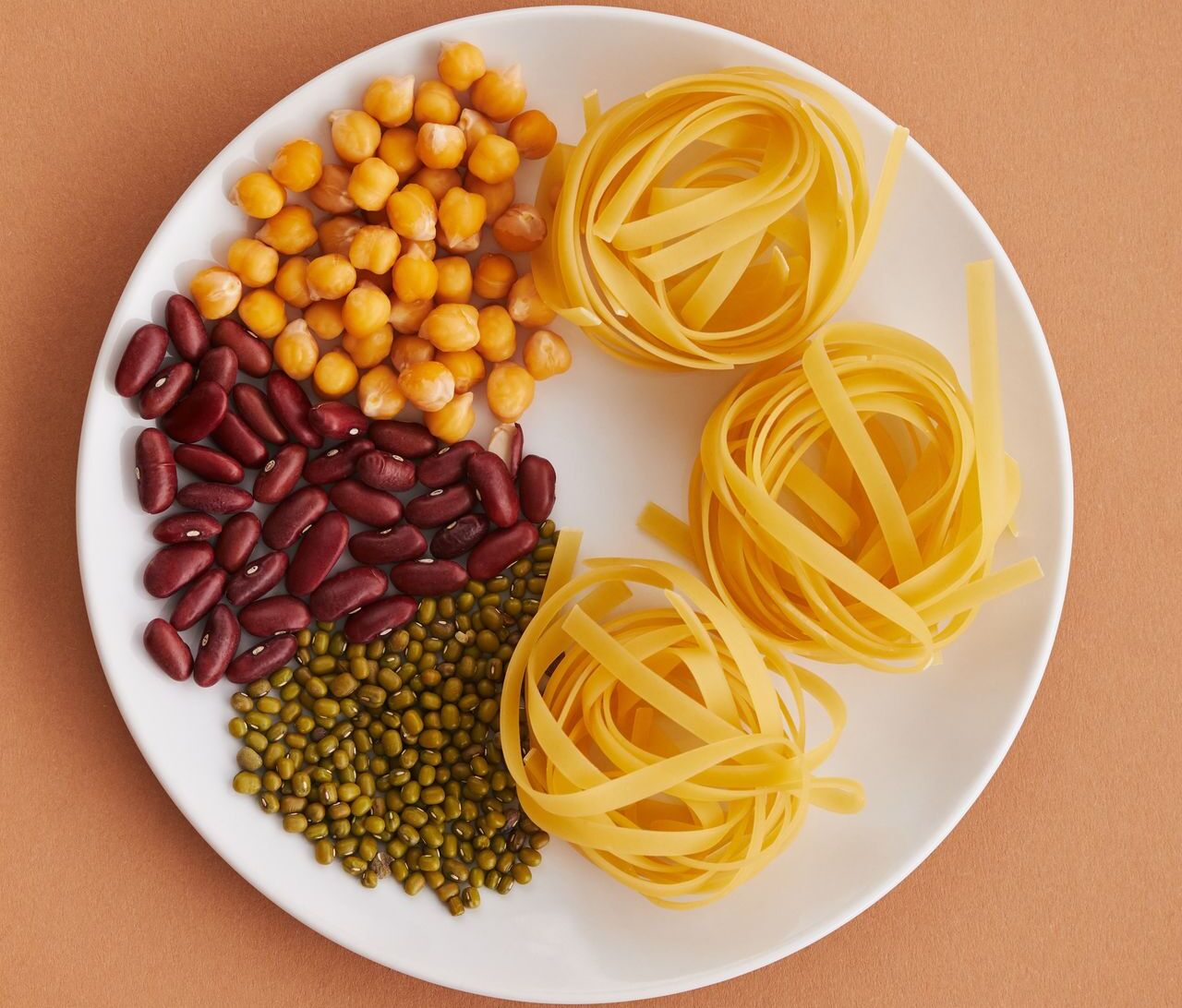
Rice and pasta are the backbone of a budget pantry because they are cheap per serving, widely used, and store well in airtight containers. Even when cereal and bakery prices are not the fastest-rising category, they still trend upward over time, which makes bulk purchases during promotions especially useful.
Dried beans and lentils deserve a spot because they combine long shelf life with low cost and high protein. Oats belong in the same conversation: they work for breakfast, baking, and savory cooking, and they usually deliver one of the lowest costs per meal in the store.
Canned tuna and canned salmon are smart buys because USDA expects fish and seafood prices to outpace their historical average in 2026. Canned tomatoes also make the list because processed fruits and vegetables are another category expected to run hotter than normal, and they form the base of soups, pasta sauces, stews, and chili.
Peanut butter, olive oil, and coffee round out the list. Peanut butter is calorie-dense, versatile, and family-friendly. Olive oil has a shorter shelf life than dry goods but is still worth stocking moderately when prices dip. Coffee may be the clearest “buy before it rises again” pantry item: BLS reported beverage materials including coffee and tea jumped 11.8 percent in 2025, making it one of the sharpest increases in the grocery aisle.
How to stock up without wasting money
Buy in layers, not in one giant haul. Start with two to four extra units of foods you already rotate through, then build toward a 30- to 60-day pantry. That approach protects cash flow and avoids the classic mistake of filling shelves with ingredients no one in the house actually cooks.
Storage matters almost as much as price. Keep dry goods in sealed containers, mark purchase dates, and use first in, first out rotation. Oils and nuts should stay in cool, dark spaces, and coffee keeps best when protected from air, heat, and moisture.
The best case study is the ordinary weeknight dinner. Rice, beans, canned tomatoes, olive oil, and tuna can become multiple low-cost meals with different flavors, while oats and peanut butter cover breakfasts and snacks. In other words, a good shelf-stable pantry is not just inflation insurance. It is a working food system that turns price uncertainty into everyday convenience and better household control.