
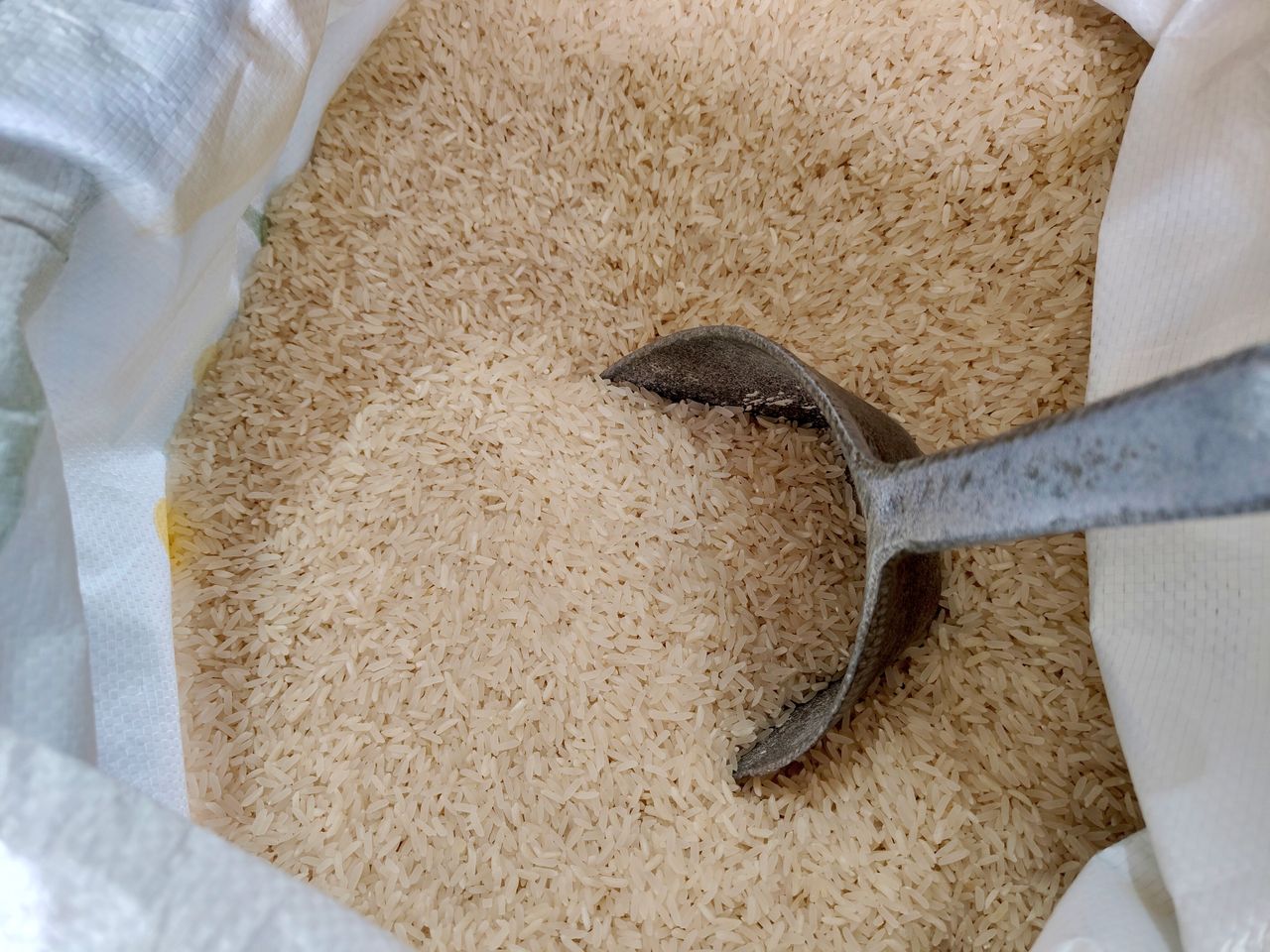
A pantry staple is suddenly making headlines for the wrong reason. More than 54,000 pounds of jasmine rice have been pulled from shelves, and the reason is serious enough that shoppers should take a closer look at what is sitting in their cabinets.
What was recalled, and why it was removed
The product at the center of the recall is Lundberg Family Farms White Jasmine Rice sold in 2-pound bags. Recent federal recall records show the action covers 27,324 packages, totaling 54,648 pounds of rice. Multiple news reports say the product was distributed across a dozen states, turning what first seemed like a limited issue into a much broader consumer alert.
The reason for the recall is potential contamination with foreign material. That wording matters. In food safety language, foreign material can refer to unwanted physical matter in the product, such as hard fragments, debris, or other non-food substances that do not belong in the package.
This is not the same kind of recall as one tied to Salmonella, Listeria, or an undeclared allergen. Instead, the primary concern is physical injury. According to reporting that cites the FDA’s enforcement listing, that risk can include choking, dental damage, mouth injury, or digestive irritation if contaminated rice is cooked and eaten.
The recall has also been described as a Class II event in federal records. That means the product may cause temporary or medically reversible health consequences, while the chance of severe long-term harm is considered remote. Even so, regulators treat physical contamination seriously because consumers often do not notice a problem until a product is already being prepared or eaten.
Why the recall is making news again now
One reason this story is resurfacing is timing. Several outlets reported that the rice had already been pulled from store shelves months earlier, but the FDA’s updated enforcement report brought fresh national attention to the total volume involved. In other words, this is not necessarily a brand-new recall, but a clearer federal accounting of how much product was implicated.
That detail is important for consumers because rice is a long-shelf-life pantry item. A bag bought in spring 2026 could still be unopened in late summer or early fall, especially in households that buy staples in bulk. As Medical Daily noted in its coverage, shelf-stable foods can outlast the original recall headlines, which makes follow-up reporting especially valuable.
Another reason the story gained traction is the size of the number. More than 54,000 pounds sounds dramatic, and it is. But in practical terms, the figure reflects 27,324 individual retail packages rather than loose bulk rice, which helps consumers understand the scale more clearly.
Reports have also varied slightly on whether the distribution reached 12 or 13 states. That kind of discrepancy can happen as recall databases are updated and media reports catch up. The most important takeaway is that this was not an isolated single-store issue by the time the broader details became public.
What shoppers should do if they have this rice at home
Anyone who recently bought Lundberg white jasmine rice should check the package carefully, especially if it is a 2-pound bag. Consumers should compare the product information on hand with official recall details from the FDA or the retailer where the rice was purchased. If there is a match, the safest move is not to cook or eat it.
Shoppers should also resist the temptation to simply rinse the rice and use it anyway. Washing may remove dust or loose starch, but it cannot reliably eliminate all foreign material hazards. If the contamination involves hard fragments or other embedded debris, rinsing is not a dependable safety fix.
Most recalls like this direct consumers to discard the product or return it for a refund, depending on retailer policy. If any of the rice has already been prepared and someone experiences mouth pain, choking, or digestive discomfort after eating it, medical advice should be sought promptly. Physical contamination incidents can seem minor at first, then worsen.
The larger lesson is straightforward: even basic pantry items deserve a second look when recall news breaks. Rice is one of the foods people tend to trust automatically, which is exactly why these alerts matter. A familiar product can still pose a risk when a production run goes wrong.
The login process is secure and fast. I never have issues accessing my account which is a huge plus for me. Visit jilibet777login for a great time
I’ve been looking for a reliable platform like this for a while. The interface is super smooth and everything loads quickly. Highly recommend phrotowire for anyone starting out!