
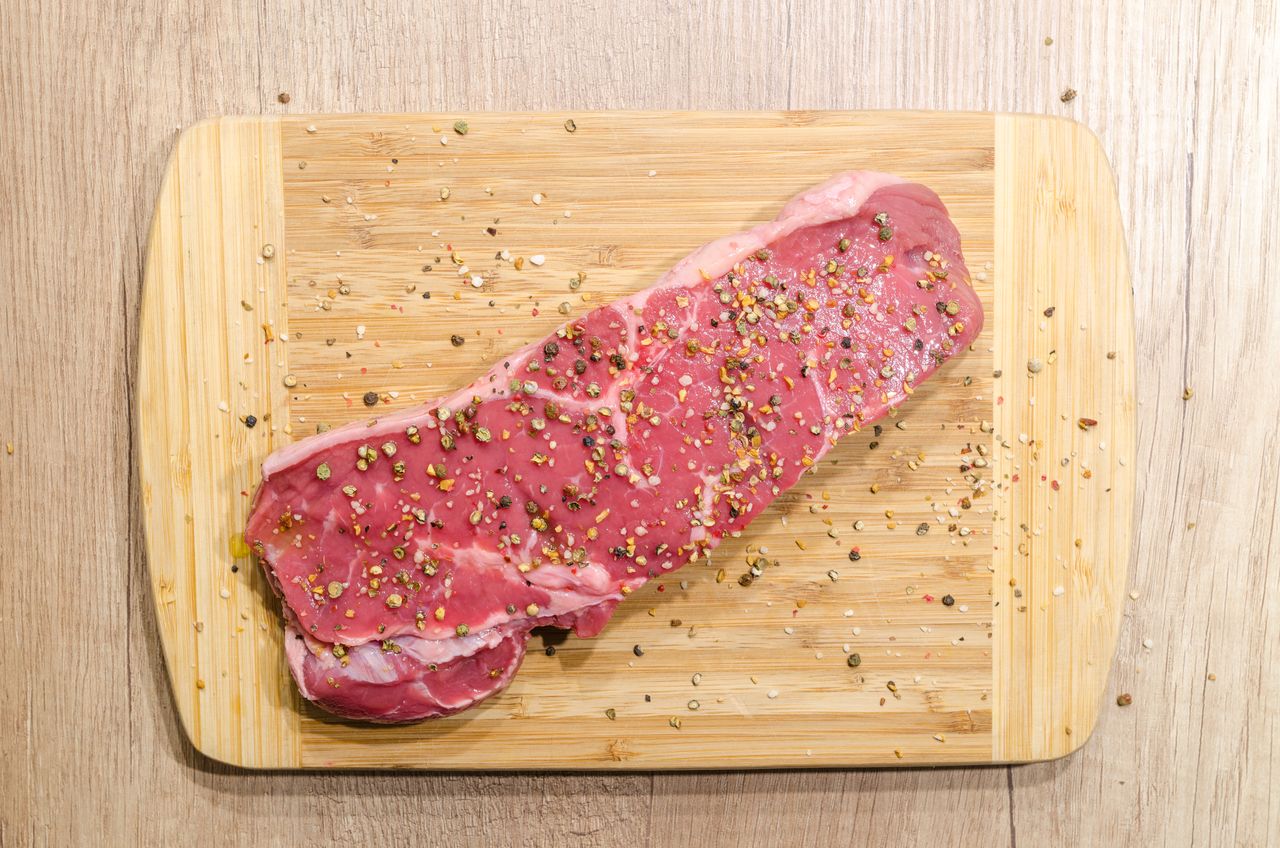
Imported meat recalls can quickly become a national food-safety issue because products often move through multiple distributors before reaching store shelves. In this case, Corte Argentino USA LLC, an Aventura, Florida, importer, recalled nearly 30,000 pounds of raw beef that federal officials said entered U.S. commerce without the required import reinspection. The affected products were shipped to retailers and grocery distributors in Florida and Texas, according to the U.S. Department of Agriculture’s Food Safety and Inspection Service.
Corte Argentino recalled 29,628 pounds of raw beef on Aug. 7
Corte Argentino USA LLC recalled about 29,628 pounds of raw beef products on August 7, 2026, after the U.S. Department of Agriculture’s Food Safety and Inspection Service said the imported meat had not received the benefit of import reinspection before entering the United States. The recall is listed as Recall No. 013-2026, and recall-tracking services that mirror USDA notices identify it as a Class I recall, the agency’s highest hazard classification.
The recalled products were imported from Argentina and sold in various-weight cardboard boxes labeled “FRIGORIFICO GORINA SAIC.” Published recall summaries identify five boneless cuts: Top Sirloin Butt, labeled “Cuadril Sin Tapa”; Eye Round, labeled “Peceto”; Topside Cap Off, labeled “Nalga AD S/Tapa”; Flat, labeled “Carnaza Cuadrada”; and Knuckle, labeled “Bola de Lomo.” Those same summaries said the products were produced between May 15, 2026, and May 20, 2026, with use-or-freeze-by dates from September 15, 2026, through September 20, 2026.
The company and FSIS notice summaries said the recall was not tied to a publicly reported illness outbreak. Instead, the action centered on a breakdown in the import process, with the meat entering commerce before federal reinspection was completed. Consumers with questions were directed in the USDA notice to contact Eial Kaplun, general manager of Corte Argentino USA LLC.
Florida and Texas are the only confirmed distribution states so far
FSIS said the recalled beef was shipped to retailers and grocery distributors in Florida and Texas. As of the published notice, those are the only states publicly identified in the federal recall announcement, and no broader national distribution area has been confirmed. The company has not released a public list of specific stores, chains, or cities in either state where the beef was sold.
That means shoppers in both states may not be able to verify exposure by location alone. Instead, the most specific publicly available identifiers are the importer name, the Argentine supplier name on the boxes, the product cut names, and the September 15 through September 20, 2026, use-or-freeze-by dates reported in recall coverage based on the USDA notice.
The recall guidance tied to the official notice is straightforward: consumers should not eat the products. Federal recall summaries said affected beef should be thrown away or returned to the place of purchase. USDA consumer guidance also notes that shoppers with questions about whether a meat product is part of a recall can contact the agency’s Meat and Poultry Hotline.
The recall stems from a missed import reinspection, not a contamination finding
The reason for the recall is procedural but still significant. According to FSIS, the raw beef products were imported from Argentina without the benefit of import reinspection, a required federal step for meat entering the U.S. market. That process is designed to verify that imported meat meets U.S. requirements before it is released into commerce.
In this case, the recall notice focused on the skipped reinspection rather than a lab-confirmed contamination issue. Published reports based on the FSIS notice said no illnesses had been confirmed at the time of the announcement. Even so, the recall moved forward because the products bypassed a mandatory control point in the import system.
For shoppers, the practical takeaway is that any affected beef still in refrigerators or freezers should be matched against the product descriptions and dates already released. What remains unknown is how much of the recalled product had already been sold at the consumer level and which individual stores received it. As of the federal notice, the public record shows a Florida-based importer, an August 7 recall date, distribution to Florida and Texas, and Recall No. 013-2026 tied to meat that should not have entered commerce without reinspection.
This is my new favorite spot for some weekend fun. The odds are fair and the atmosphere is great. Love bdbet5777!