
National guidance on metabolic health has increasingly tied liver health and blood sugar control to the same day-to-day food choices. That overlap is especially relevant as clinicians track rising rates of type 2 diabetes and metabolic dysfunction-associated steatotic liver disease, or MASLD, the condition formerly known as NAFLD. In current recommendations from federal agencies and major medical groups, three ordinary foods show up repeatedly: oats, beans, and unsweetened yogurt.
Oats show up in guidance built around lower-glycemic, higher-fiber eating
The National Institute of Diabetes and Digestive and Kidney Diseases states that people trying to prevent or manage fatty liver disease may benefit from eating more low-glycemic foods, including whole grains, because those foods affect blood glucose less than high-glycemic choices such as white bread or white rice. The American Diabetes Association’s 2025 Standards of Care also advises people with diabetes or at risk for it to emphasize carbohydrates from whole grains and to consume at least 14 grams of fiber per 1,000 calories.
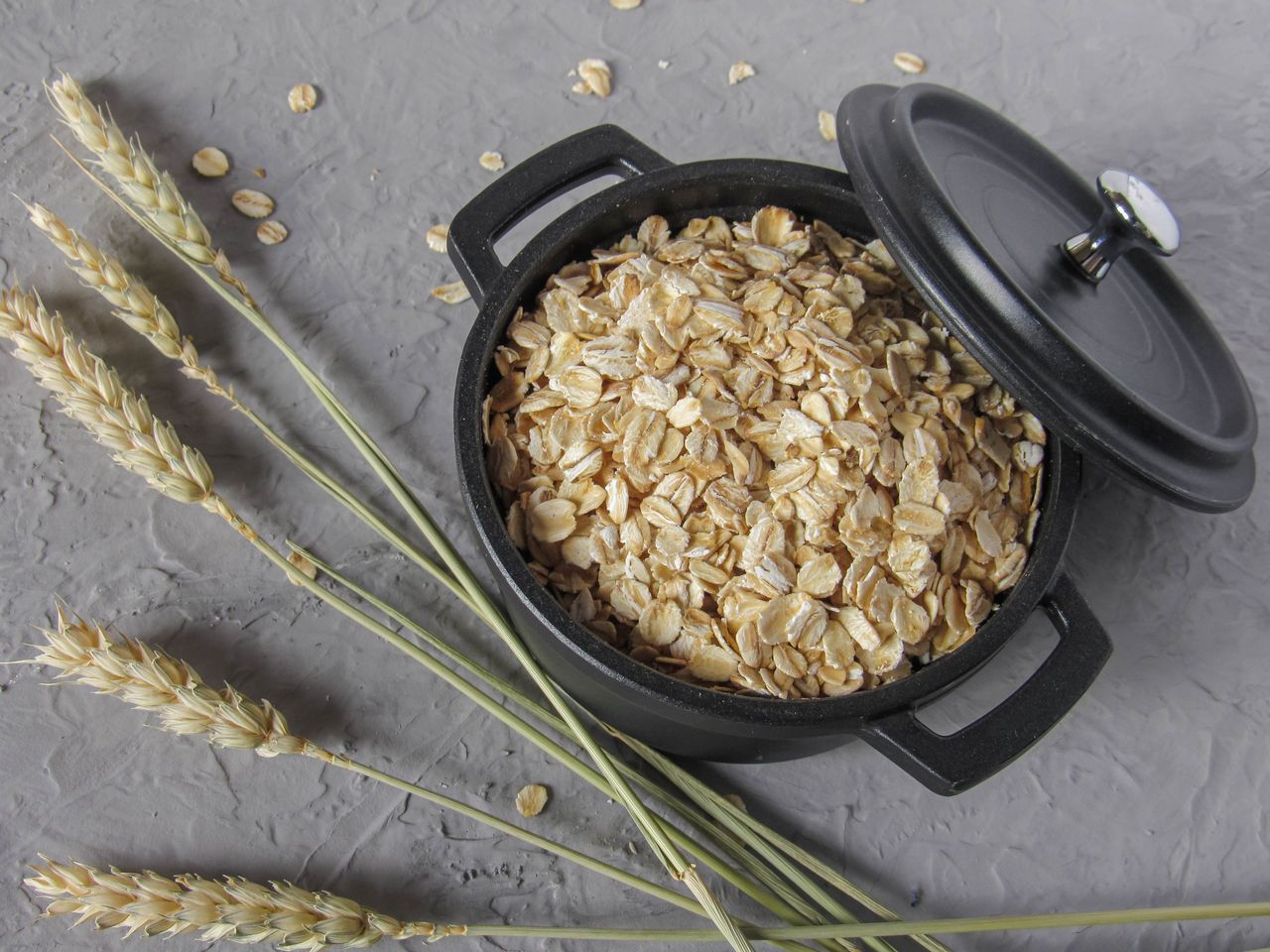
Oats fit both of those standards in a practical way because they are a whole grain and a source of soluble fiber. The National Heart, Lung, and Blood Institute lists oatmeal among foods that provide soluble fiber, a type of fiber long used in heart-healthy dietary patterns that also supports slower digestion than refined grains. That does not make oats a treatment, and federal guidance does not single out oatmeal as a liver therapy on its own.
What is confirmed is that oats align with the broader pattern recommended for both glycemic management and liver-friendly eating: minimally processed, higher-fiber, lower-sugar meals. What is not known from current guidance is a single national threshold for how much oatmeal alone changes liver fat in the general population. The practical meaning for shoppers is narrower but clear: plain oats are one of the most accessible ways to swap a refined breakfast for a whole-grain option that fits current diabetes and liver recommendations.
Beans and other legumes are consistently tied to steadier carbohydrate quality
The American Diabetes Association’s 2025 nutrition guidance encourages carbohydrates from legumes, alongside vegetables, fruit, dairy, and whole grains, rather than foods high in added sugar and refined starch. That recommendation matters because legumes deliver carbohydrate with fiber and plant protein, a combination that generally produces a slower glucose response than many processed snack foods or white-flour side dishes.
Federal and specialty liver guidance points in the same direction. NIDDK recommends low-glycemic foods as part of an eating pattern that can help prevent or manage fatty liver disease, and European MASLD guidelines recommend improving diet quality while limiting ultra-processed foods and sugar-sweetened beverages. Beans fit that framework without requiring specialty products or a branded meal plan.
The confirmed takeaway is that beans are not being promoted as a cure, but they are repeatedly included in the kinds of eating patterns used for cardiometabolic disease. What has not been publicly established in those broad guidelines is that one specific bean variety is superior for everyone. For consumers, the significance is practical: black beans, chickpeas, lentils, and similar legumes can replace more refined starches in meals while matching the fiber-forward, minimally processed approach that major guidance documents continue to emphasize.
Unsweetened yogurt remains one of the dairy foods included in diabetes-focused plans
The American Diabetes Association’s 2025 Standards of Care says people with diabetes and those at risk are encouraged to focus on carbohydrates from foods such as dairy, including milk and yogurt, while minimizing foods with added sugar that displace more nutrient-dense options. The National Institutes of Health’s nutrition materials also list yogurt as a source of key nutrients, including protein and potassium, depending on the product.
For liver health, the significance is less about yogurt as a standalone intervention and more about what it can replace. Liver guidance from NIDDK and the American Association for the Study of Liver Diseases emphasizes limiting added sugars, refined carbohydrates, and saturated fat while favoring higher-quality eating patterns. An unsweetened or lower-added-sugar yogurt can fit that approach better than many sweetened desserts or sugary breakfast items.
What is confirmed is that yogurt appears in mainstream diabetes nutrition guidance as a nutrient-dense food category, not as a prescription product. What remains product-specific is the sugar content, fat level, and portion size, which vary widely across brands and flavors. For shoppers, that means the label matters: plain or lower-sugar yogurt is the version most consistent with the broader advice now used in blood sugar and liver care.