
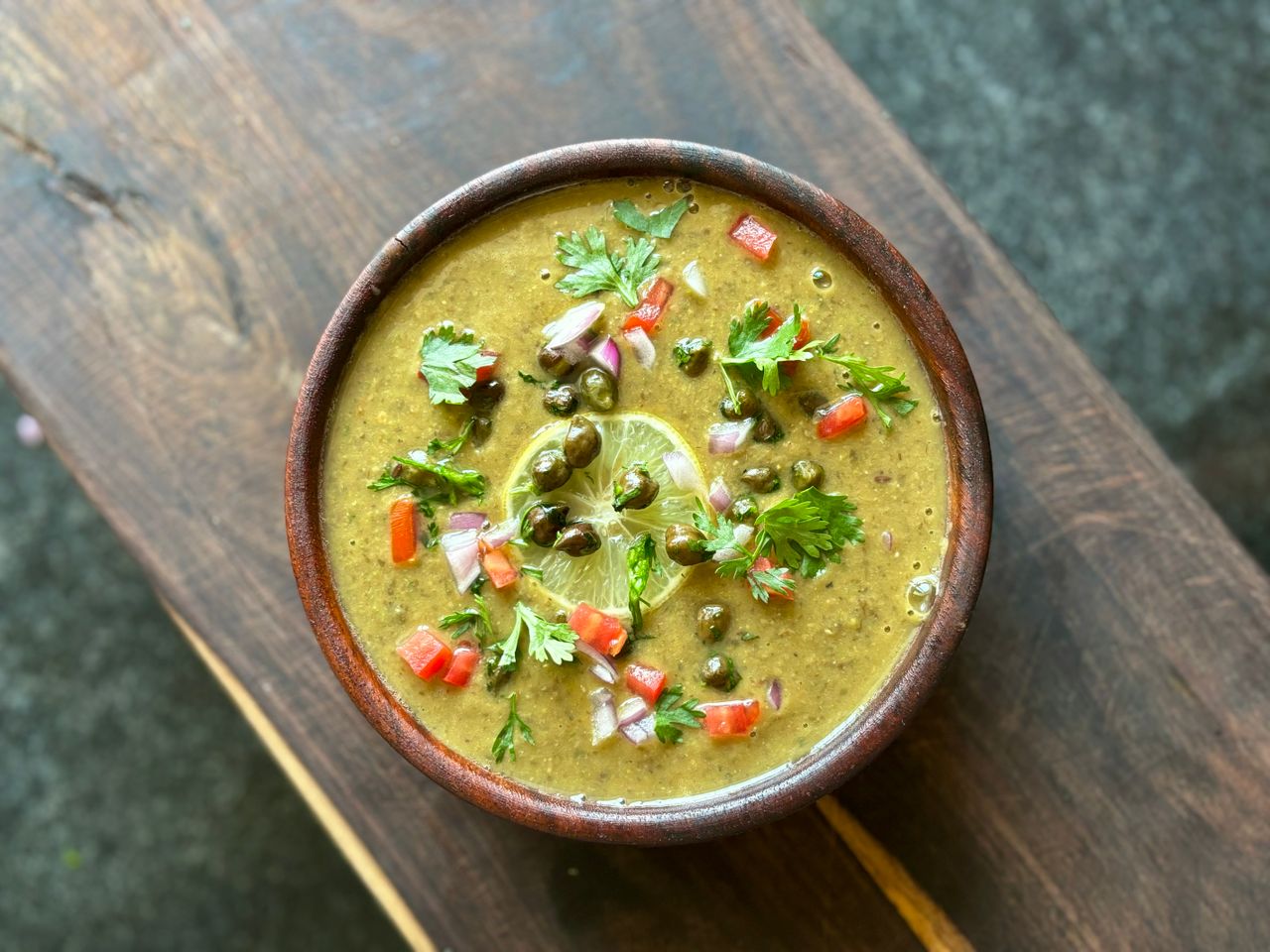
Cooler weather makes soup season feel almost medicinal. That instinct is not wrong. A well-built bowl can deliver the fiber, fluid, and gentle ingredients your digestive system tends to love.
What makes a soup gut-friendly in the first place
Gut-friendly soups work because they combine hydration with foods that nourish the microbiome. The National Institute of Diabetes and Digestive and Kidney Diseases notes that fluids, including clear soups, help fiber do its job, which matters for comfortable digestion and regularity. Johns Hopkins Medicine also points to fruits, vegetables, whole grains, yogurt, kefir, beans, and lentils as standout gut-supportive foods, largely because they supply fiber and beneficial microbes.
That matters because most Americans still fall short on fiber. The Dietary Guidelines for Americans report that more than 90 percent of women and 97 percent of men do not meet recommended fiber intakes. MedlinePlus and other federal health resources continue to cite general daily targets of about 25 g for women and 38 g for men, making soup an easy place to close the gap with beans, barley, split peas, and vegetables.
The smartest fall soups lean Mediterranean in style: olive oil, legumes, greens, alliums, and whole grains. A 2024 systematic review found that adherence to a Mediterranean-style diet is associated with more favorable gut microbiota patterns. Harvard Health likewise emphasizes pairing probiotic foods with prebiotic-rich plants such as legumes for a stronger overall gut strategy.
12 soups worth putting on your fall rotation
Start with lentil vegetable soup, minestrone, black bean soup, and split pea soup. These are fiber workhorses, and legumes are consistently recommended by gut-health experts because they feed beneficial bacteria and support bowel regularity. Add barley mushroom soup and white bean kale soup for extra soluble fiber and texture that feels hearty without relying on heavy cream.
For gentler bowls, try carrot-ginger soup, chicken and rice soup with extra celery and spinach, or butternut squash soup blended with cannellini beans. Ginger has a long history in digestive care, though the best modern evidence is stronger for nausea and some upper-GI symptoms than for broad gut-health claims. That makes it a useful supporting player rather than a miracle ingredient.
The final trio can bring in fermented or broth-based elements: miso soup with tofu and mushrooms, kimchi tofu stew, and a vegetable-rich bone broth soup. Cleveland Clinic and Harvard Health both note that fermented foods can help support gut health, but recent reviews also show benefits vary by food, strain, and the person eating them. Bone broth is promising, with a 2025 review describing potential benefits for gut-barrier function, yet the evidence is still developing, so it is best treated as part of a balanced soup rather than a cure-all.
How to make these bowls easier on digestion
If your gut is sensitive, the biggest mistake is often doing too much fiber too fast. Cleveland Clinic and VA nutrition guidance both advise increasing fiber gradually and drinking enough fluid alongside it. In practice, that means starting with a pureed lentil soup or a brothier minestrone before jumping into a dense three-bean chili-style bowl.
Pay attention to your personal triggers. For some people, onions, garlic, large amounts of cabbage, or very spicy soups can aggravate bloating or reflux even when the ingredients are otherwise nutritious. Peppermint has some evidence for relieving IBS symptoms, particularly abdominal pain, according to the National Center for Complementary and Integrative Health, but peppermint is not right for everyone and can worsen reflux in some people.
The best approach is simple: build soups around beans or lentils, vegetables, whole grains, and moderate seasoning, then repeat consistently. Gut health is shaped more by overall eating patterns than by any single “superfood” bowl. A cozy soup habit built on fiber diversity, adequate fluids, and occasional fermented ingredients is exactly the kind of low-drama routine your gut may thank you for all season.