
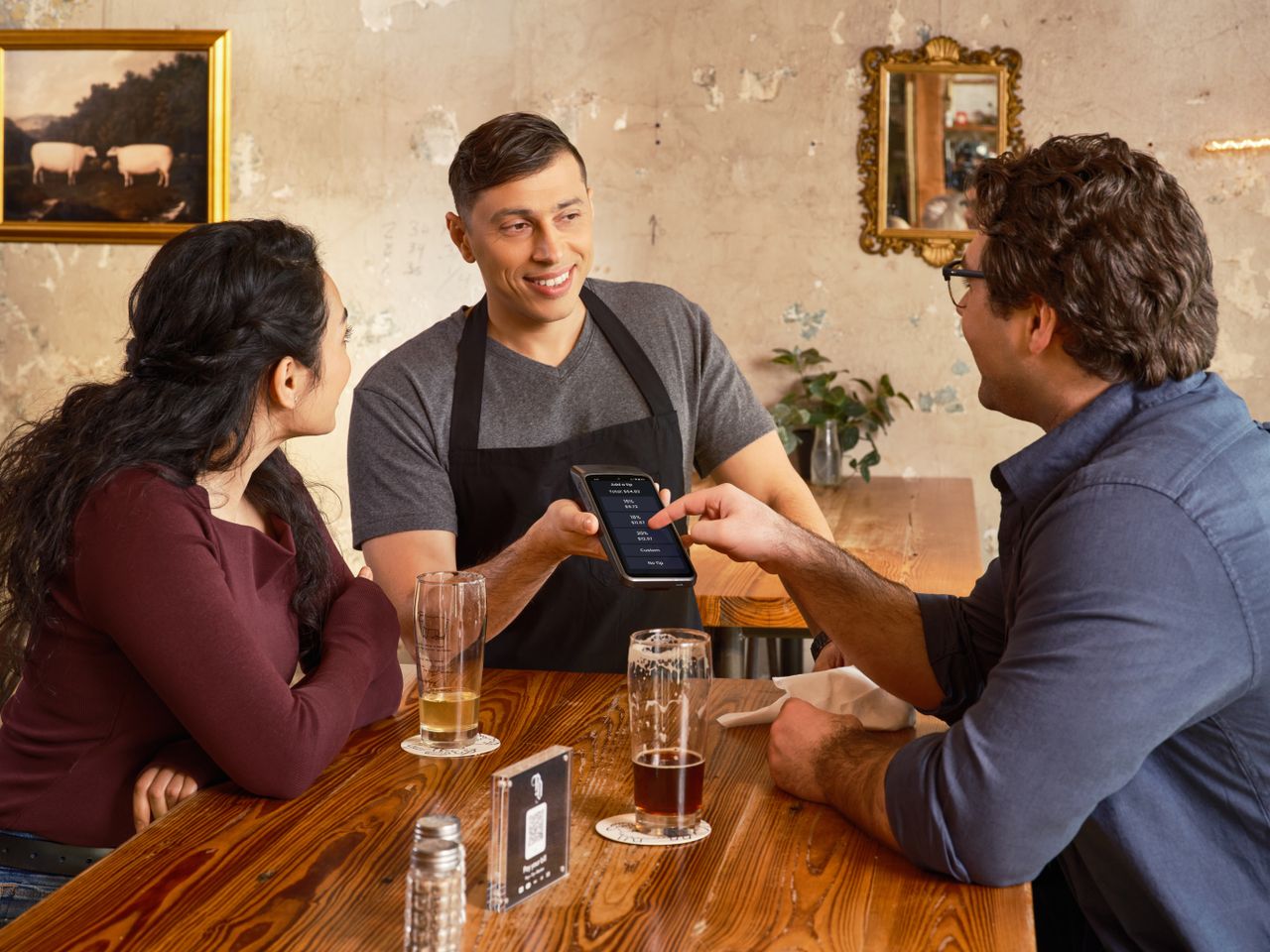
Tipping seems straightforward until the moment the screen flips around or the check lands on the table. In practice, the amount, timing, and method all send signals, whether you mean them to or not.
Treating every tip screen like a moral test
One of the most common modern habits is reacting emotionally to the payment screen instead of evaluating the service. Pew Research Center found that Americans are far more likely to oppose suggested tip amounts than support them, which helps explain why many people now feel cornered by checkout prompts. Bankrate reported in 2025 that 63% of Americans hold at least one negative view about tipping, and 41% say tipping culture has gotten out of control. That frustration is real, but taking it out on a frontline worker can send the wrong message.
Another misstep is assuming every digital prompt deserves the same response. Pew found that only 25% of Americans say they always or often tip when buying coffee, and just 12% say the same for fast-casual restaurants. That does not mean you should never tip in those settings. It means social norms are less settled there, so your choice should reflect actual service, not guilt or resentment.
A related habit is panic-tipping because the employee is watching. That often turns gratuity into a stress response rather than a thoughtful thank-you. If you tip generously, do it because the service warranted it. If you decline, do it calmly and without performative irritation.
Finally, there is the habit of selecting the lowest preset amount to make a point. The worker usually cannot change the system and may only read the number, not your protest. If you dislike the business model, the clearer message is feedback to management, not a symbolic jab at the person handing you lunch.
Misreading service charges, percentages, and restaurant norms
Many diners still mistake an automatic service charge for a voluntary tip. The IRS and the U.S. Department of Labor are clear that a compulsory service charge is not the same thing as a tip; a true tip is voluntary and determined by the customer. That matters because adding another full gratuity without reading the bill can create confusion, while loudly accusing staff of “double dipping” when a service charge appears can come off as unfair. The smarter move is to check the receipt first, then ask a polite question if the wording is unclear.
Another habit that sends the wrong signal is tipping only on the pre-discount total or ignoring how the bill is structured. In group dining, alcohol packages, banquet fees, and automatic charges can all affect the final number. If you appear careless with the math, you may seem either inattentive or intent on finding a loophole.
Some diners also reserve tips only for spectacular service. Yet Pew found that 92% of Americans who eat at sit-down restaurants say they always or often tip in that setting, reflecting a strong norm around ordinary competent service. Leaving little or nothing after average service may feel principled to you, but it is often read as dissatisfaction.
Then there is the habit of overexplaining the amount. A long speech about inflation, portion sizes, or menu prices rarely lands well with a server. The tip itself already communicates your view.
Sending mixed signals with delivery, cash, and inconsistency
Delivery tipping is especially loaded because customers often focus on app fees instead of labor. Pew found that 76% of Americans say they always or often tip for food delivery, showing that most people still view it as a service where gratuity is expected. If you withhold a tip because the app added unrelated charges, the driver may read that as a judgment on their effort, not the platform’s pricing.
Another confusing habit is promising cash and then forgetting, rounding down, or making the handoff awkward. Cash can be appreciated, but only when it is intentional and reliable. Telling someone “I’ll get you next time” after repeated deliveries sends a message of indifference more than goodwill.
Inconsistency is another problem. Generous tipping at a bar followed by extreme stinginess at breakfast can make your behavior look performative rather than respectful. Etiquette experts have long noted that consistency matters because tipping is not just about money; it is about predictability, fairness, and basic recognition of service.
The best rule is simple: read the bill, know the setting, and match the gratuity to the service without turning the moment into theater. Tipping will probably remain emotionally charged, especially as businesses keep experimenting with prompts and fees. But a clear, calm, informed approach sends the message most people actually want to send: I noticed the work, and I responded thoughtfully.