
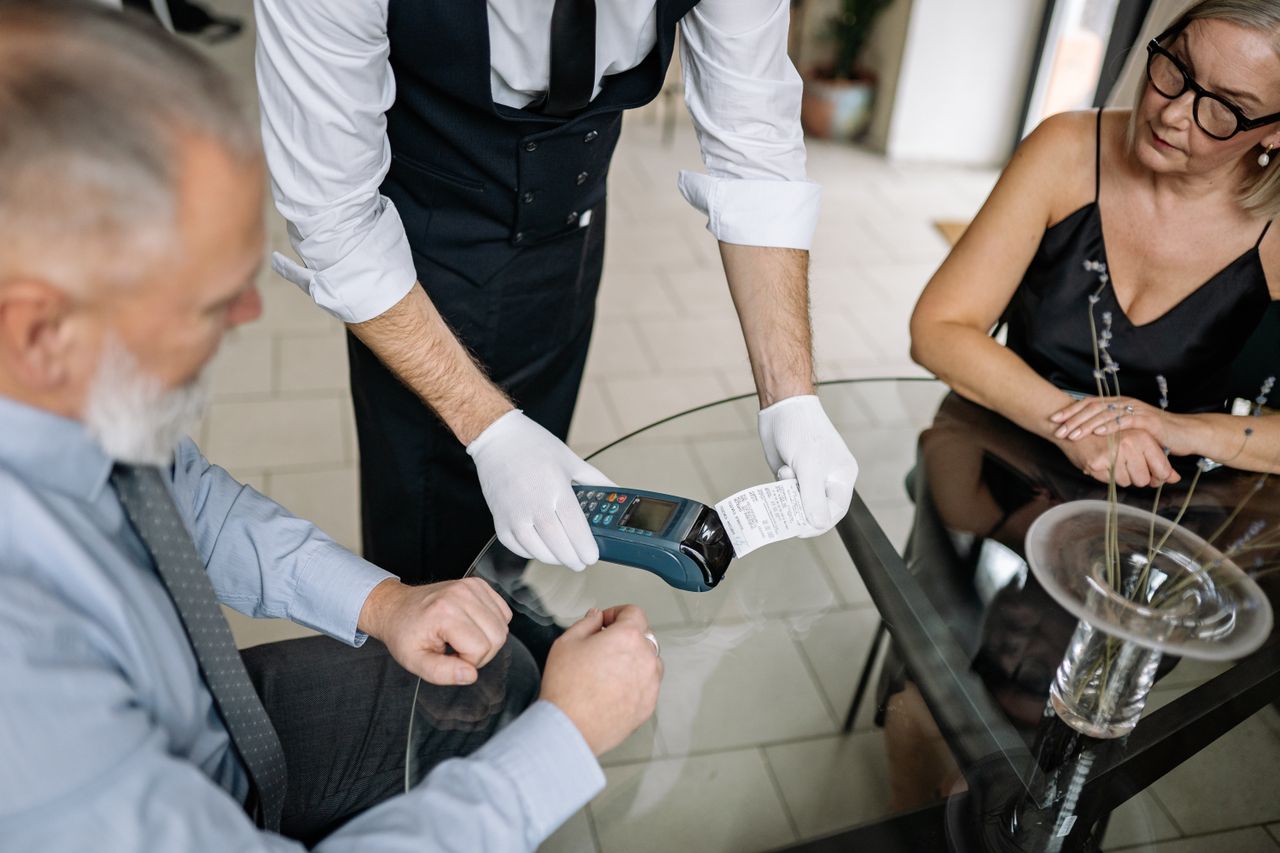
Tipping remains one of the most disputed parts of the U.S. restaurant business, with labor rules, digital checkout prompts, and customer expectations all shaping how diners pay for table service. A widely shared “no tip” story involving a waitress’s response has become the latest example, but the available reporting shows the debate has traveled faster than any verifiable account tied to a restaurant company, court case, or public agency. As of August 30, 2026, the discussion is best understood as a viral tipping-culture flashpoint rather than a documented corporate or regulatory event.
What has been publicly reported
The most widely circulated versions of the story describe a diner leaving no tip or a reduced tip, followed by a server confronting, mocking, or otherwise responding to the customer. Coverage from outlets that summarized social-media posts, including The Economic Times, framed similar incidents as part of a broader tipping dispute rather than as a confirmed action by a named national chain or a restaurant operator that publicly addressed the matter. No major U.S. regulator, court filing, or restaurant company announcement reviewed for this article identified an official event matching the headline wording exactly.
That matters because the scale of the incident is not verified. There is no confirmed count of locations involved, no documented disciplinary action by an employer, and no public incident report released by a police department or labor agency tied to the phrase in the headline. The available material points instead to reposted anecdotes, screenshots, and commentary that were amplified because they fit a larger debate over gratuity norms.
A separate Reddit-linked discussion cited by Business Insider in earlier tipping coverage, and more recent viral reposts summarized by other outlets, show that public arguments about whether servers should confront non-tipping customers are not new. What is new is the speed with which isolated stories now move across platforms and are repackaged as broader trend pieces, often before key facts such as date, location, and restaurant name are independently confirmed.
What is known locally, and what is not
One limitation in reporting this story as local food news is geography. The source material publicly available does not confirm a specific U.S. city, diner brand, or independently verified restaurant address tied to this exact incident. That means there is no confirmed state or city-level impact to quantify, and no basis to report that a particular local business, neighborhood, or chain location was involved.
What can be confirmed is the broader relevance to diners and workers in U.S. markets where tipping remains a substantial part of restaurant pay. The U.S. Department of Labor continues to regulate tipped wages under federal rules, while states apply their own standards on tip credits and minimum cash wages. In practice, that means a disagreement over gratuity can carry different economic weight depending on where the meal occurred, even when the online argument looks the same.
Because no restaurant operator has publicly released a statement attached to this incident, it is also not known whether management reviewed the interaction, whether the server faced any discipline, or whether the customer complained directly to the business. The company, if any company was involved in a documented way, has not released a full account of what happened.
Why tipping disputes keep surfacing
The reason stories like this spread is rooted in the structure of U.S. restaurant compensation. Federal labor rules allow employers in some circumstances to count tips toward wage obligations, while many states set different standards that can reduce or eliminate the tip credit. The National Restaurant Association and labor advocates have for years offered competing views on that system, with operators emphasizing labor-cost pressures and worker advocates arguing that tipping leaves income too dependent on customer discretion.
Digital payment screens have added another layer. Research and industry reporting have shown that preset gratuity prompts have expanded beyond full-service dining into coffee shops, takeout counters, and other transactions where customers historically did not face the same social pressure to tip. That shift has made tipping feel more visible and, for some diners, more contentious.
For customers, the practical takeaway is narrower than the online debate suggests. There is no verified evidence that this headline reflects a formal policy change at a diner chain or a documented local enforcement matter. What it does reflect is an unresolved national issue in food service: tips remain both a major income source for many servers and a recurring point of friction for guests, and neither restaurants nor lawmakers have settled that tension.