
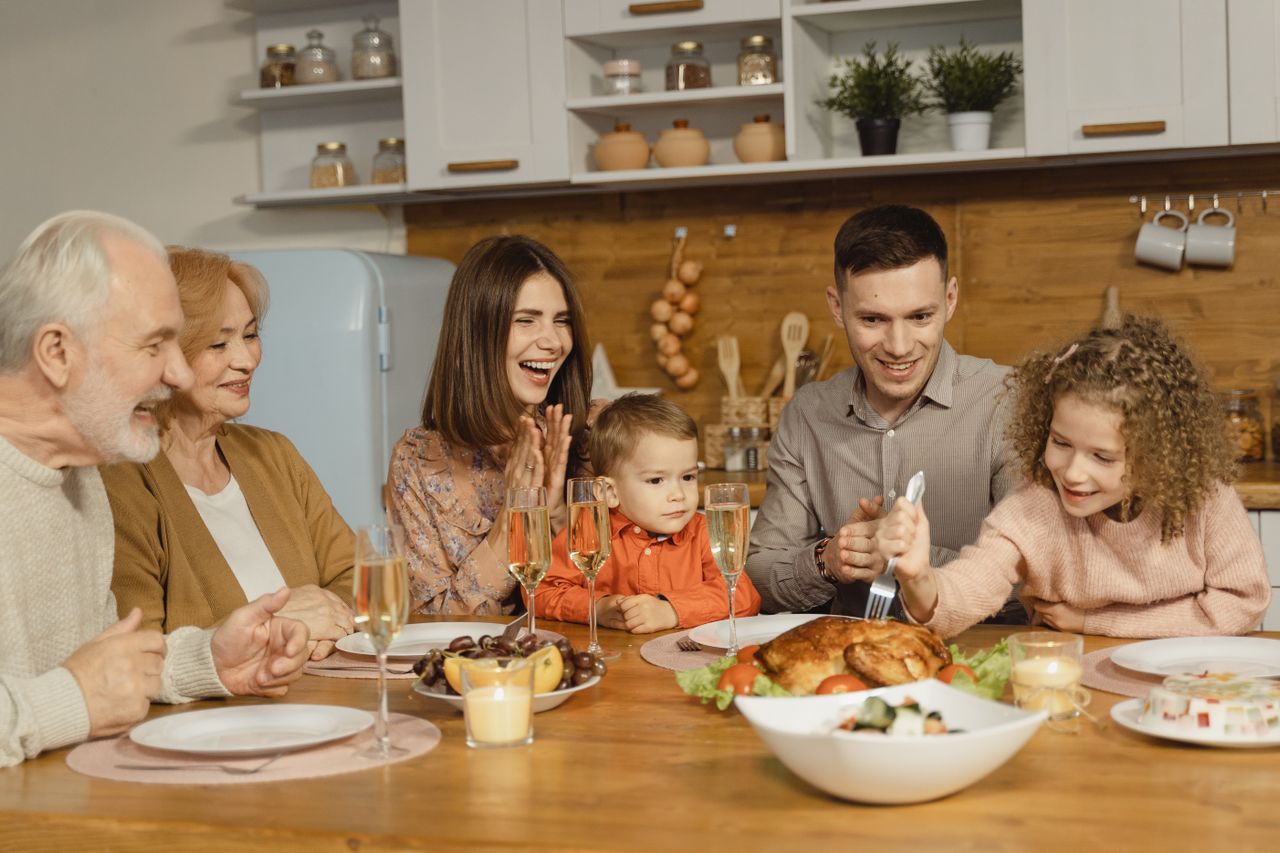
There was a particular rhythm to dinner in the 2000s. It was practical, repetitive, and oddly comforting in a way that still feels familiar.
On middle-class tables across America, the winning meals were the ones that stretched a budget, pleased picky eaters, and fit into busy evenings. If you remember these 10 dinners, you remember the era.
The weeknight formula that shaped 2000s dinner
The 2000s were a decade when convenience became part of the family dinner equation, not a guilty secret. USDA research found that food purchasing from 1999 to 2010 was heavily shaped by prices and total food spending, while prepared and convenience foods kept gaining ground. That helps explain why so many households leaned on dinners that were cheap, fast, and built around pantry staples.
The most recognizable meals shared the same logic: one protein, one starch, and a format that could be repeated endlessly. Spaghetti with meat sauce, tacos made from seasoned ground beef, baked chicken with boxed rice or potatoes, and macaroni and cheese with hot dogs all fit that pattern. They were filling without feeling extravagant, and they gave parents room to improvise with what was already in the house.
Industry tracking from the early 2000s showed that Americans were still eating plenty of dinners at home, even as restaurant and takeout options expanded. A food industry summary citing NPD data listed spaghetti among the top American suppers, alongside pizza, baked chicken, burgers, soup, and frozen entrées. In other words, the classics were not just nostalgic memories; they were statistically common.
That is why the defining 10 dinners of the middle-class 2000s feel so specific: spaghetti, taco night, meatloaf, Shake ’N Bake chicken, Hamburger Helper, frozen lasagna, boxed mac and cheese with add-ins, rotisserie chicken with sides, breakfast-for-dinner, and casserole night. Together, they formed the core rotation of households trying to balance value, speed, and familiarity.
Why these 10 meals lasted
Spaghetti endured because it was one of the cheapest ways to feed a family, especially when a pound of ground beef and a jar of sauce could stretch across multiple servings. Taco night did the same thing with a more interactive feel, turning shredded lettuce, cheese, salsa, and shells into a meal that felt festive without costing much. Meatloaf remained a fixture because it could transform inexpensive beef, breadcrumbs, and eggs into leftovers for the next day.
Then there were the branded shortcuts that defined the decade’s kitchen culture. Hamburger Helper represented the promise of turning one skillet and one pound of meat into dinner, while Shake ’N Bake made chicken feel homemade with almost no effort. Frozen lasagna and frozen entrées also mattered more than people sometimes remember; USDA expenditure data from 2003-04 tracked frozen meals as a meaningful grocery category, reflecting how normal ready-to-heat dinners had become.
Rotisserie chicken became another middle-class hero because it split the difference between takeout and home cooking. USDA analysts later highlighted it as a classic convenience purchase: more expensive than a raw whole chicken, but a major time-saver on hectic nights. Add supermarket potato salad, steamed vegetables, or rolls, and dinner was done.
Even breakfast-for-dinner belonged on the list. Pancakes, scrambled eggs, bacon, and sausage were affordable, kid-friendly, and fast, especially near payday or at the end of a grocery cycle. Casseroles, meanwhile, survived because they absorbed leftovers and pantry odds and ends better than almost any other format.
What these dinners say about middle-class life
These meals were not just about taste. They reflected a middle-class household trying to manage work schedules, after-school pickups, grocery bills, and the expectation that dinner should still feel like a real family event. Retail and restaurant analysts have long noted that the modern “eat at home” dinner often includes a blend of scratch cooking, ready-to-heat foods, and store-prepared items, and that hybrid style was especially visible in the 2000s.
There was also a cultural consistency to the table. Chicken remained the leading dinner protein by the end of the decade, and pasta kept growing in popularity, according to food industry reporting drawing on market research from that period. That is one reason the decade’s dinner memory feels so unified across suburbs, small towns, and city households: many families were working from the same national script.
What people remember most, though, is not the market data. It is the repetition. Tuesday tacos, Thursday spaghetti, Friday pizza, and the occasional emergency frozen meal created a dinner routine that felt ordinary at the time and iconic in hindsight.
So how many of the 10 do you remember? If your answer is most of them, you probably grew up in the exact center of 2000s American dinner culture, where practicality was the real secret ingredient and comfort was always part of the menu.
Simple and effective. I love that there is no unnecessary clutter on the site. It just works exactly how you want it to. Love braa44