
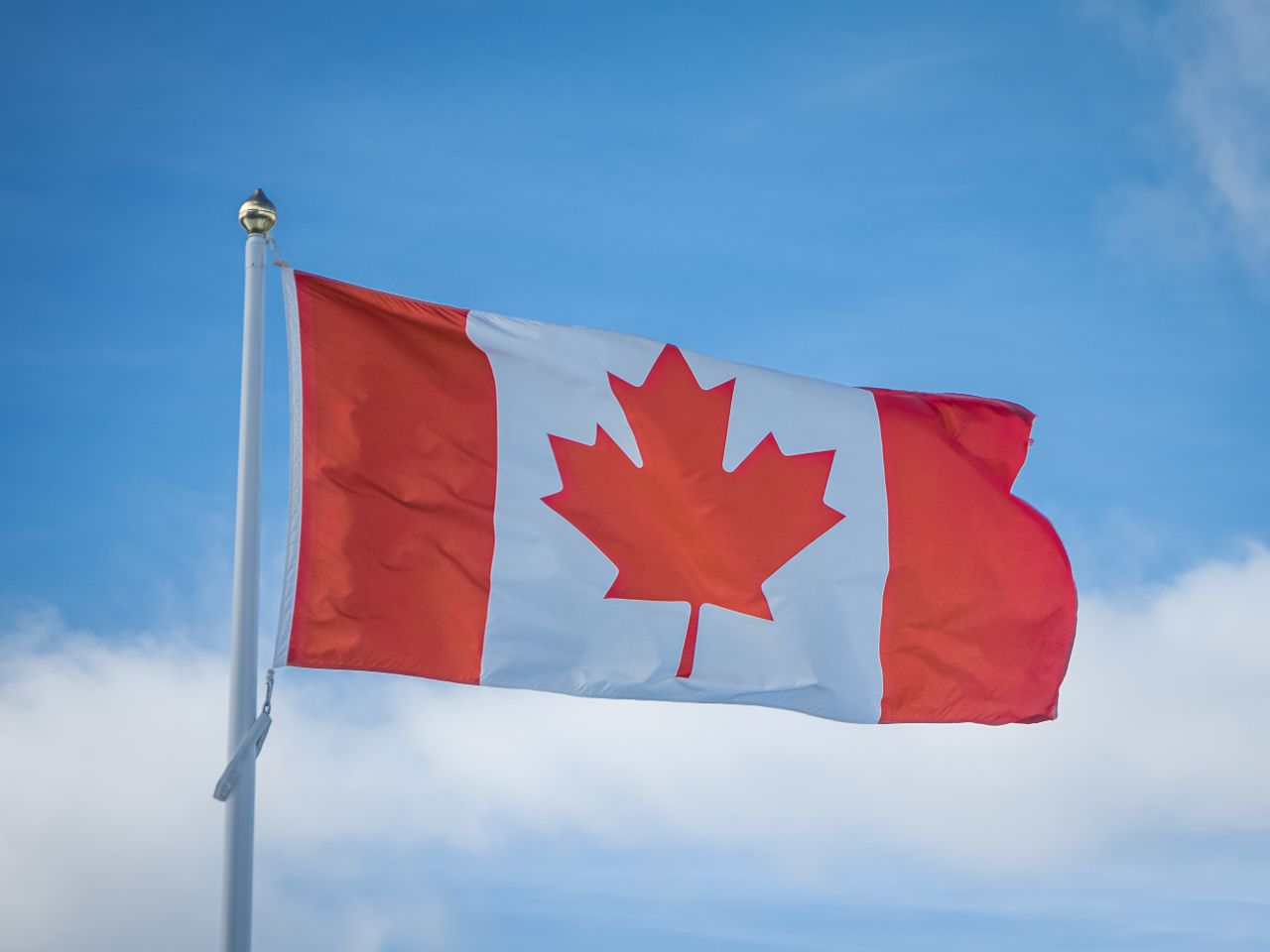
The U.S.-Canada trade dispute over food and drink has escalated again, this time with Washington shifting from broad tariffs to targeted import bans. On September 8, 2026, the Trump administration announced new restrictions on selected Canadian alcohol and dairy products, saying Canada had maintained discriminatory treatment of U.S. exports. For U.S. grocers, restaurants, distributors, and shoppers, the move matters because it reaches everyday categories including beer, wine, spirits, whey products, and some food-manufacturing inputs.
The White House moved from 50% tariffs to targeted import bans
The specific action came through a set of September 8 White House proclamations and a related U.S. Trade Representative statement. According to the White House fact sheet released that day, the administration imposed import bans on certain Canadian alcohol and certain Canadian dairy products, while also modifying the scope of earlier 50 percent Section 338 tariffs first announced on July 20, 2026. The White House said the import bans will take effect on September 29, 2026, while the product additions and removals tied to the tariff revisions took effect on September 15, 2026.
For alcohol, the annex to the proclamation lists a wide range of covered products, including packaged beer made from malt, sparkling grape wine, cider, packaged spirits, gin, vodka, whiskies, rum, liqueurs, brandies, and other beverage alcohol categories. For dairy, the dairy annex identifies whey protein concentrates, several forms of modified whey and dried whey, invert molasses, cane molasses, other molasses, and non-alcoholic beer as products excluded from importation. The White House said the bans apply to goods imported on or after 12:01 a.m. Eastern on September 29.
The administration framed the action as a response to Canadian policies affecting U.S. exports. In its September 8 statement, USTR said the action combined “targeted import bans” with a “calibration” of the underlying tariffs. The White House also said the revised restrictions sit on top of earlier Section 338 measures, which had already imposed additional 50 percent duties on selected Canadian goods beginning in August.
The impact will be national, but store-level effects are not yet public
Because these restrictions apply at the border, the immediate impact is national rather than limited to one state or one city. That means importers, distributors, grocery chains, liquor retailers, bars, and restaurants across the United States could feel the change if they buy covered Canadian products. What is confirmed is that the bans cover specific customs categories, not every Canadian food or beverage item sold in the United States.
What is not yet known is which U.S. retailers, restaurant groups, or distributors will change purchasing first. The federal government has not released a state-by-state estimate of exposure, and there is no official public list yet showing which chains in New York, Michigan, Washington, Minnesota, California, Texas, Florida, Illinois, or other states rely most heavily on the newly covered Canadian products. Import patterns will likely vary by category, especially for alcohol and food-manufacturing ingredients such as whey and molasses.
For consumers, the most noticeable changes could show up first in wholesale ordering and shelf assortment rather than in immediate, across-the-board shortages. Restaurants and bars that specialize in Canadian beer, whisky, or other imported categories may need replacement suppliers if their specific products fall inside the covered tariff codes. Food manufacturers using whey-related inputs may also need to review sourcing, though the administration has not published a retailer-level or processor-level impact list.
The dispute centers on trade discrimination claims and Canada’s response
The legal basis for the action is Section 338 of the Tariff Act of 1930, which the White House and USTR said allows the president to impose duties of up to 50 percent, and in some cases exclude products from importation, when a foreign country discriminates against U.S. commerce. In the dairy proclamation issued September 8, the White House said Canada had maintained the tariff-rate quota allocation measures that Washington says disadvantage U.S. cheese exporters. In the alcohol proclamation, the White House said Canada maintained discriminatory treatment of U.S. alcoholic beverages and that Saskatchewan announced an additional 50 percent levy on U.S. alcohol effective September 8, 2026.
That context matters because the administration had already taken earlier action. The original July 20 proclamations set the 50 percent tariffs, with an initial effective date of August 19, 2026. A temporary suspension announced August 18 delayed those duties for three days, but the White House said that suspension lapsed at 12:01 a.m. Eastern on August 22 after Canada did not remove the measures at issue.
For U.S. customers and businesses, the practical takeaway is that the dispute has moved into a more restrictive phase. Beginning September 29, some covered Canadian alcohol and dairy-related goods will no longer be allowed into the United States at all, while other products remain under revised tariff treatment. As of now, the administration has said Customs and Border Protection will issue any needed implementation guidance, and no broader rollback has been announced.
Хочу взять кабель КГ-ХЛ для удлинителя в гараж. Старый кабель зимой дубеет так, что после работы во дворе его нормально не свернуть, а возле вилки оболочка уже начала трескаться. Гараж неотапливаемый, таскать удлинитель домой каждый раз неудобно. Смотрю КГ-ХЛ, но цены у разных производителей сильно отличаются, а продавцы советуют каждый своё. Не хочется сэкономить и через сезон опять менять кабель. Кто пользуется КГ-ХЛ на морозе — нормально разматывается и сворачивается, какого производителя брали? Как правильно рсчитать нагрузку на кг хл
What’s up, aalways i ued too chheck wwebsite posts here earlyy inn thhe morning, sinnce i
lioe too learn more annd more. xnxx