
Candy launches used to be easy to read: a seasonal novelty here, a flavor extension there. In 2026, they look more like strategic land grabs.
The newest products hitting the candy aisle are not just about taste. They are evidence that grocery shelves have become one of the most contested pieces of real estate in food retail.
A candy launch now has to win before it ever reaches a shopper
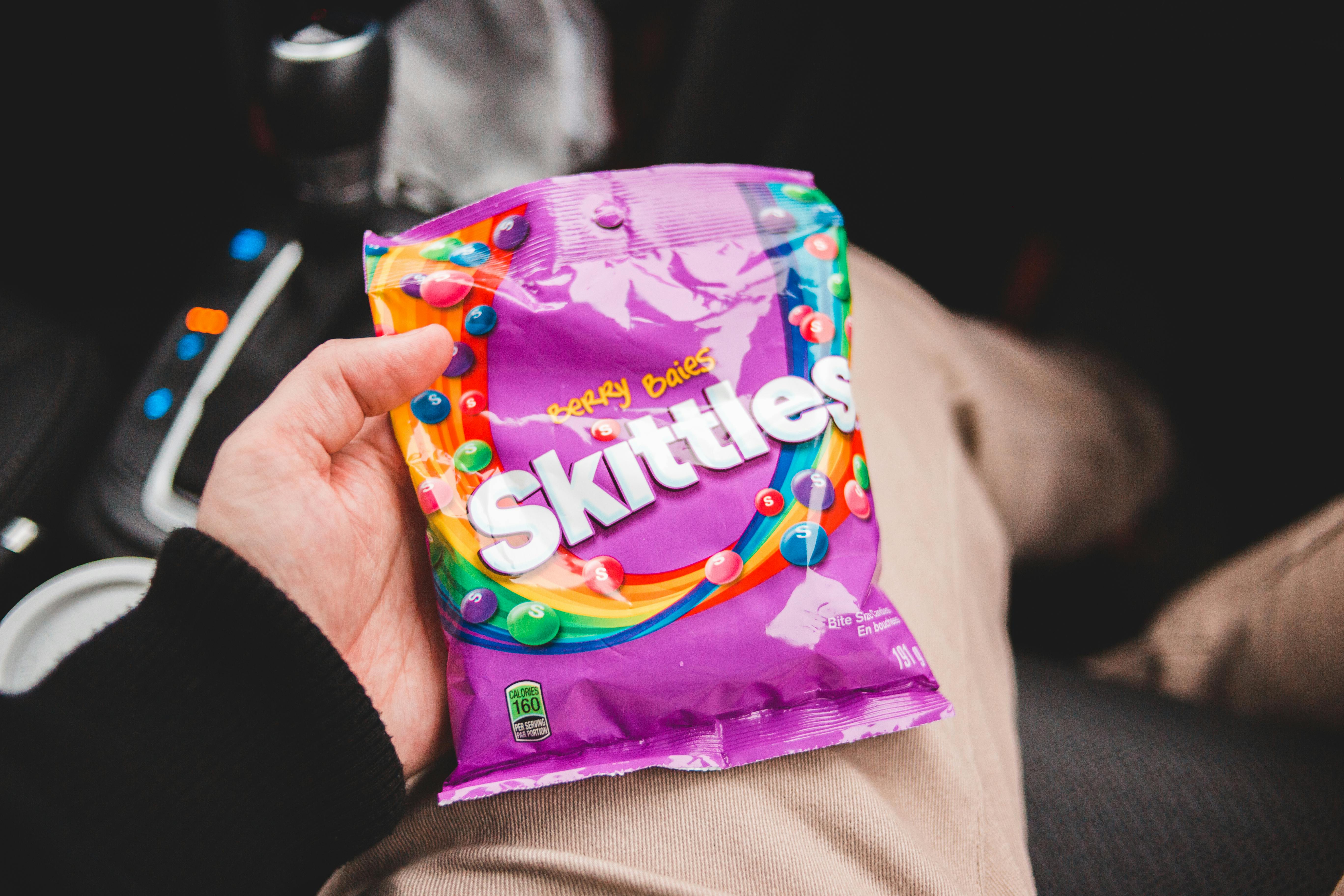
The clearest sign of the new environment is how much pressure sits behind even a seemingly playful product debut. Mars Wrigley’s recent rollout of Skittles Flavour Flip, which is set for a nationwide launch from June 2026, is being presented as a sensory twist: each piece delivers a changing flavor experience. On the surface, it is classic candy innovation. In practice, it is a textbook example of what brands now need to do to justify a spot on shelf in a crowded aisle where every SKU must prove it can create buzz, drive trial, and hold velocity once the novelty fades.
That pressure is visible across the industry. At the 2026 Sweets & Snacks Expo, trade coverage pointed to an environment dominated by bold flavor, texture experimentation, nostalgia, limited-time offers, and “made for the moment” positioning. The National Confectioners Association’s annual gathering has increasingly become a live demonstration of how brands pitch not only products, but retail usefulness. In other words, they are not simply asking buyers whether a new candy tastes good. They are asking whether it can stop shoppers, earn social attention, and generate enough repeat purchases to outperform whatever it displaces.
Retailers are reinforcing that logic. Supermarket News recently described the candy aisle as “bold and experimental,” noting that merchants are navigating pricing pressure, changing shopper expectations, and a fresh wave of innovation. That matters because most grocery chains are not expanding center-store candy footprints in any dramatic way. If anything, the category is being forced to work harder inside fixed or reallocated space, with more emphasis on premium segments, seasonal merchandising, and faster turnover.
The result is that a launch like Skittles Flavour Flip is not just a new product. It is a pitch for relevance in a mature category. Its real job is to signal that Mars can still create something distinctive enough to deserve facings, displays, and checkout presence at a time when retailers are judging candy in the same brutally performance-driven way they judge snack bars, protein bites, and every other impulse item competing for attention.
The battle is no longer just candy versus candy
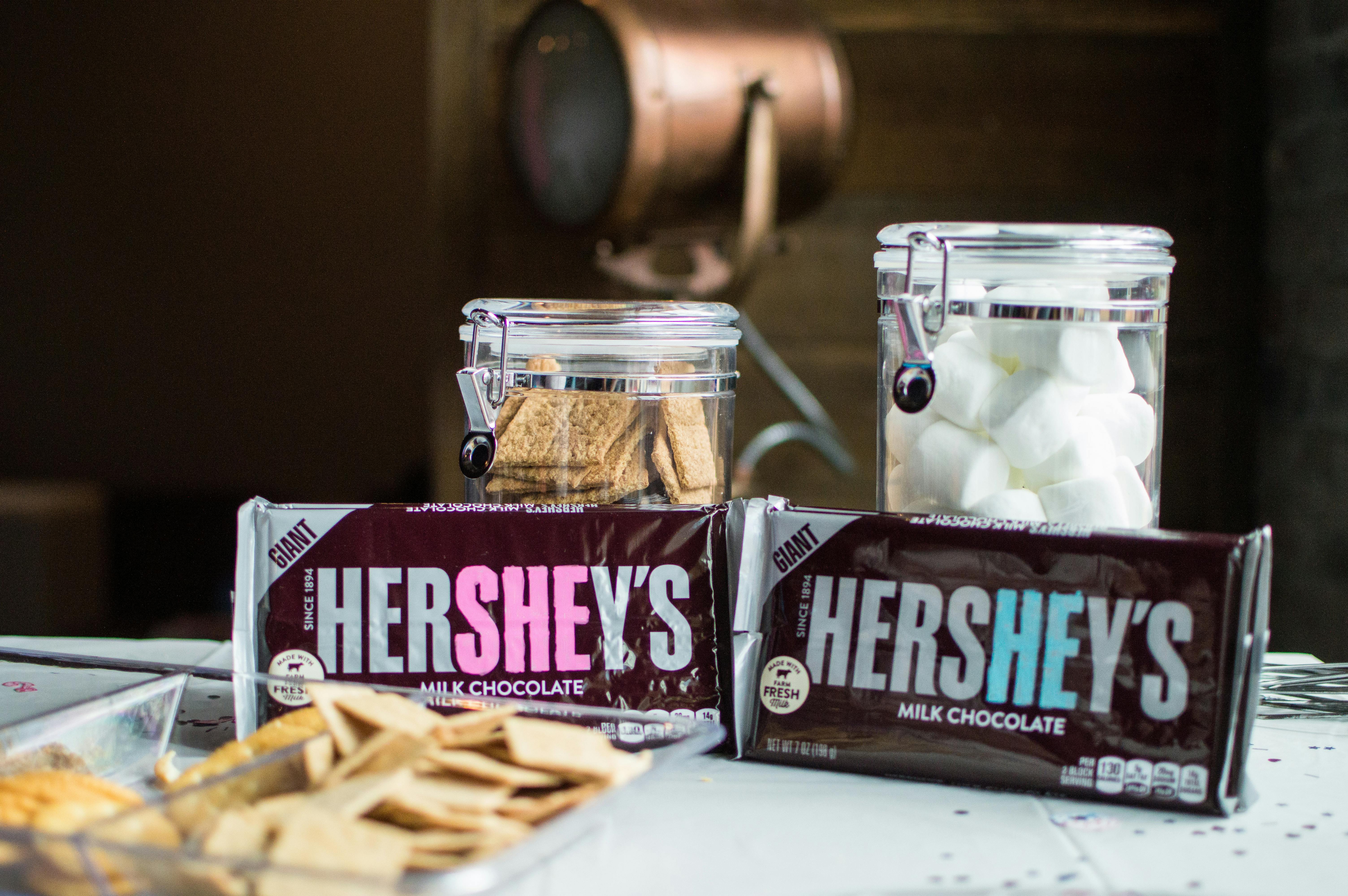
One reason the shelves feel tighter is that confectionery is no longer competing only against other sweets. It is competing against a far broader snacking universe, including salty snacks, protein products, “better-for-you” treats, refrigerated alternatives, and private-label items that are often priced to appeal to budget-conscious shoppers. That shift is changing how big manufacturers talk to retailers. Hershey’s 2026 “ONE Hershey” strategy, showcased at the Sweets & Snacks Expo, makes that explicit by positioning the company not merely as a confection leader, but as a total-snacking advisor focused on assortment, merchandising, checkout, and digital-shelf execution.
That language is revealing. It tells you that winning shelf space now depends on solving a broader store problem. Retailers want suppliers that can help optimize the whole snacking set, not just protect one candy brand’s turf. Hershey’s push into salty, protein, functional, and better-for-you categories reflects the reality that the perimeter of candy’s competition has widened. A shopper deciding between a gummy pack, a protein cookie, and a salty snack may still be making an impulse purchase, but the category lines are blurrier than they once were.
Pricing has only sharpened the competition. The Private Label Manufacturers Association reported that shoppers saved 17% on average by choosing store brands over national-brand grocery products in a recent 2026 comparison, while store-brand dollar sales outpaced national brands in 2025 according to Circana data cited by PLMA. Candy has long benefited from being an affordable indulgence, but affordable is a relative term in a market shaped by inflation fatigue. When shoppers are scrutinizing baskets more closely, even small-ticket items must defend their value.
NielsenIQ’s recent work on grocery “temperature state” also suggests that shelf-stable grocery growth cannot simply be dismissed as a pure price story. That matters for candy because it remains a resilient shelf-stable purchase, but one that must increasingly justify its space through mix, innovation, and merchandising. In other words, candy still sells, yet it no longer gets an automatic pass. It has to compete with everything else promising satisfaction, convenience, or excitement for roughly the same dollars.
That is why new launches increasingly arrive with layered propositions. A candy item may need an unusual texture, a nostalgic hook, a shareable format, and a story for social media all at once. The shelf is crowded, but the bigger issue is that the consumer’s comparison set has exploded far beyond the traditional candy aisle.
Big brands are innovating harder because shelf space is harder to keep
The largest confectionery companies are responding with a volume and variety of innovation that would have looked excessive a decade ago. Mars has previewed a broad 2026 pipeline that includes M&M’s POP’d Caramel, described in trade coverage as the brand’s first freeze-dried candy, alongside other texture-led launches designed to keep legacy names feeling contemporary. That kind of move is not random experimentation. It is a way of showing retailers that an old brand can still generate new reasons to browse, sample, and buy.
Hershey is doing the same from a different angle. Trade reports this year have highlighted launches such as Jolly Rancher Heat Wave Gummies, which push into sweet-and-spicy territory, as well as format extensions tied to licensed or limited-edition concepts like Harry Potter Butterbeer-flavored Kisses. These products are engineered for shelf theater. They create color, conversation, and a sense of urgency that standard assortments cannot always deliver. For buyers deciding which items deserve eye-level placement or endcap support, that matters.
Even packaging and brand architecture are being reworked with shelf competition in mind. Recent confectionery coverage has pointed to relaunches designed to create stronger visual distinction, cleaner segmentation, and more immediate stand-out. In a grocery environment where a shopper may spend only a few seconds scanning a section, visual clarity has become a commercial weapon. A new candy launch is no longer only a food product; it is also a mini billboard expected to perform under fluorescent lighting, next to aggressive promotions, in a store where shoppers are moving fast.
What makes this more intense is the cost backdrop. Reuters reported earlier this year that Hershey expected strong 2026 sales growth even as cocoa costs remained a major headwind. When input costs are volatile, the stakes around successful launches rise. A company cannot afford to waste manufacturing capacity, trade spending, or shelf resets on products that fail quickly. Innovation has to be more disciplined, but it also has to be more dramatic. That tension helps explain why so many launches seem aimed at maximizing immediate impact.
The consequence is a candy market that feels simultaneously playful and highly strategic. Freeze-dried textures, “swicy” flavors, nostalgic mashups, and limited-edition tie-ins all look like fun. They are fun. But they are also highly practical responses to a retail system where incumbents must keep proving they deserve their space, and where the easiest way to lose shelf presence is to look predictable.
Retailers want candy that earns its place all year, not just at Halloween
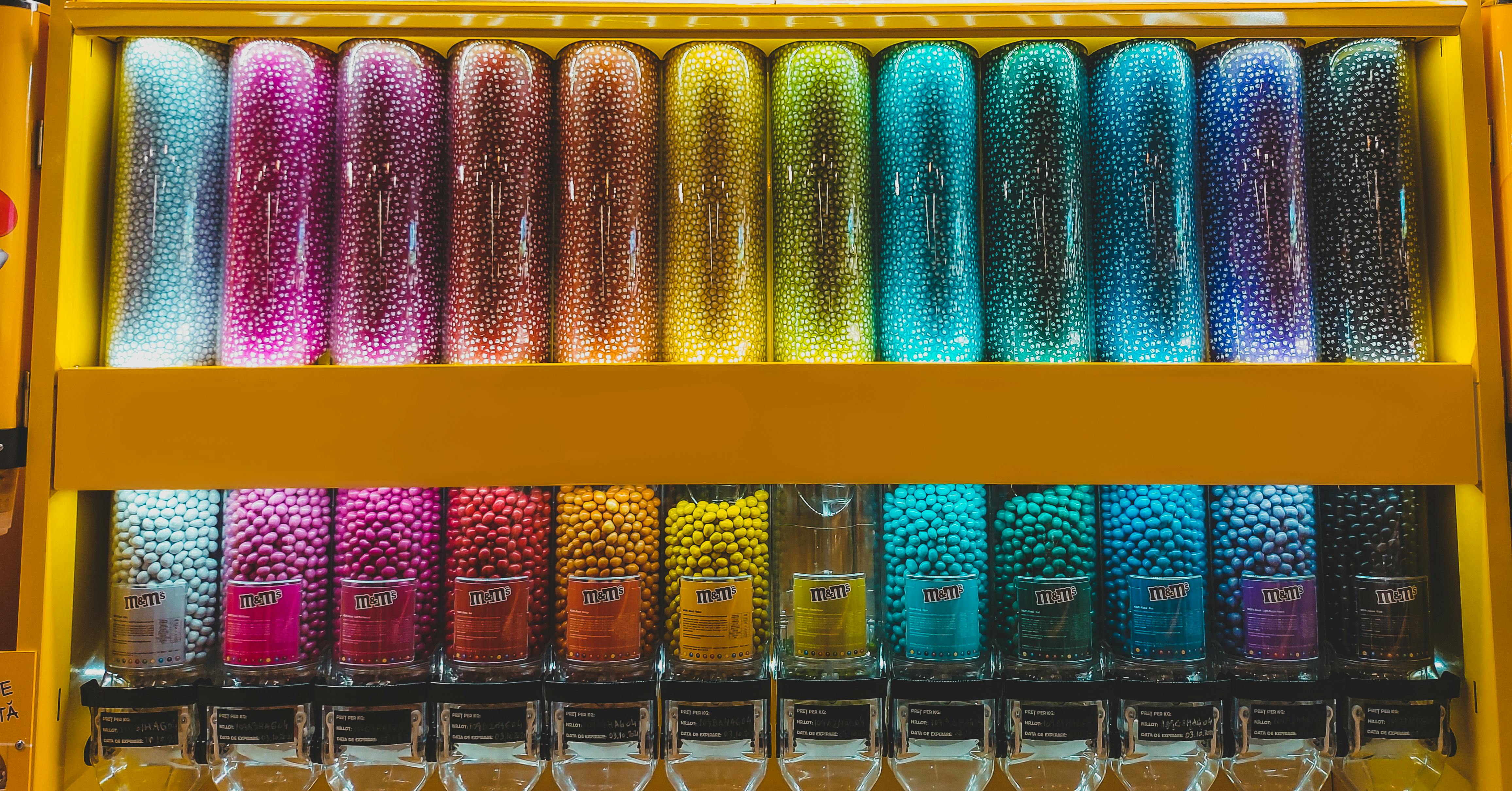
Seasonality has always defined confectionery economics, and that remains true. According to trade reporting citing the National Confectioners Association, the four biggest candy seasons — Valentine’s Day, Easter, Halloween, and the winter holidays — account for more than 60% of total confectionery sales. That concentration is a blessing and a burden. It gives brands dependable annual demand spikes, but it also means retailers think very carefully about what deserves permanent space versus temporary seasonal expansion.
That dynamic is changing launch strategy. More brands are trying to create products that can live beyond a holiday display and justify year-round presence. The recent trade push around ambient snack formats, stand-up pouches, resealable bags, and candy-inspired products that move into adjacent sections reflects this goal. If a launch can perform in the peg set, work at checkout, and reappear in seasonal promotions, it becomes much more attractive to a retailer managing finite footage across the store.
Retailers are also segmenting the category more deliberately. Supermarket buyers have said premium candy areas are outperforming broader market trends, and that certain spaces have been expanded to support that growth. This is an important clue about the current shelf war. Not all candy is fighting for the same type of space anymore. Mainstream singles, share bags, novelty items, premium gifting, and better-for-you or ingredient-conscious sweets each have different jobs. A launch succeeds when it shows exactly which role it will play and why that role deserves more room than a competing item.
Policy and ingredient scrutiny add another layer. Mars has said it plans to roll out versions of select candies made without FD&C artificial colors starting in 2026, underscoring how even legacy confectionery brands are adapting to changing expectations around formulation. For retailers, that kind of reformulation can matter because it helps future-proof assortment decisions. A shelf set that aligns with evolving shopper concerns, even in indulgent categories, may feel safer than one built entirely around older formulas and assumptions.
So when a new candy arrives, retailers are asking more sophisticated questions than they used to. Is it seasonal or evergreen? Can it trade shoppers up? Does it fit changing ingredient expectations? Will it travel across channels, from grocery to convenience to e-commerce? The bar is higher because the shelf is more valuable. Candy still enjoys strong cultural staying power, but its place in the store is increasingly earned through versatility, not nostalgia alone.
What this means for shoppers, brands, and the future of the grocery aisle
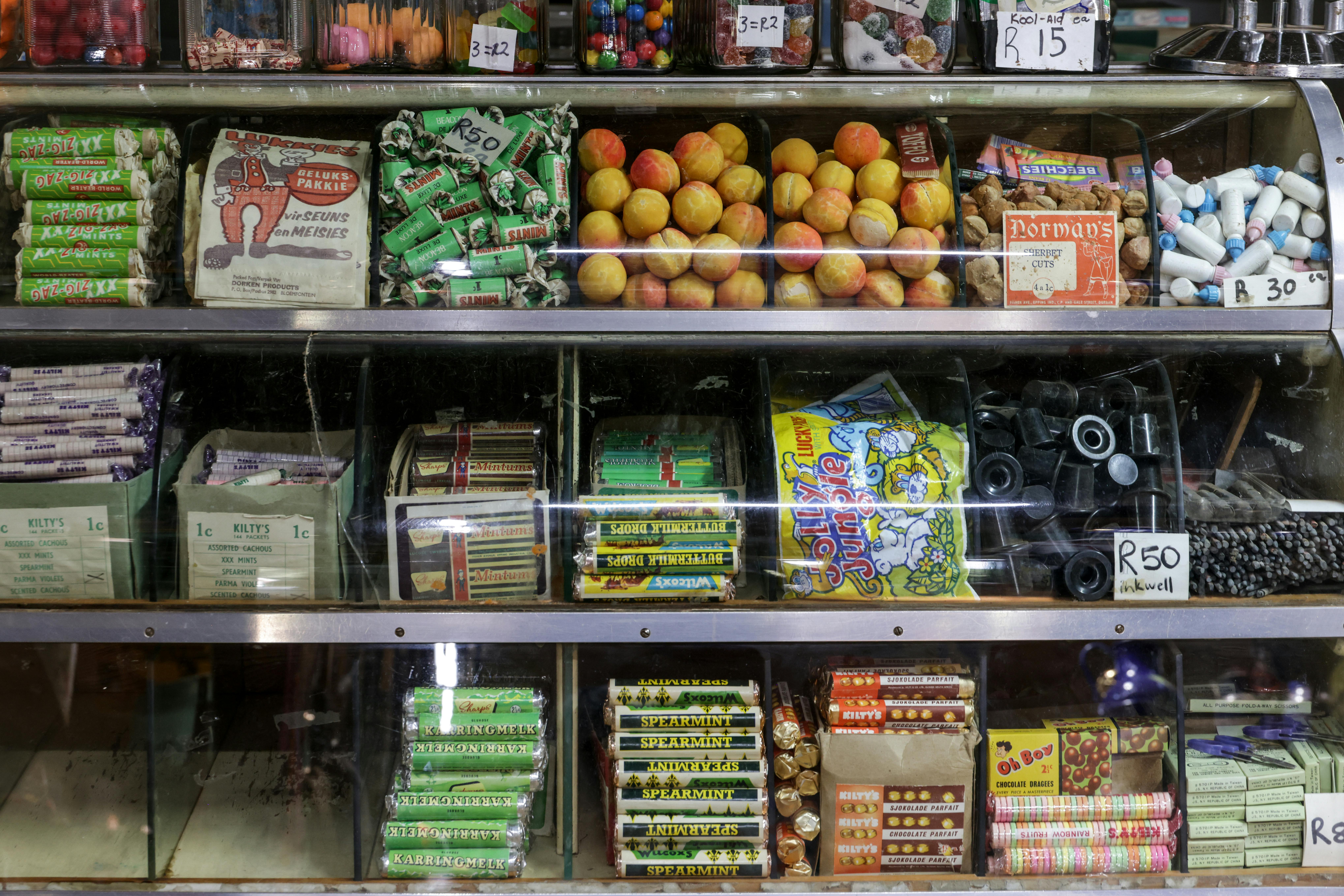
For shoppers, the immediate effect is obvious: more novelty, more rotation, and more reasons to treat the candy aisle as a discovery zone rather than a static wall of familiar brands. That is why 2026’s most visible trends include hybrid flavors, extreme sensory cues, nostalgic remixes, and products designed for impulse moments. The aisle has become more theatrical because brands need shoppers to notice change quickly. Stability may comfort consumers, but surprise is what often wins the first purchase.
For brands, the deeper lesson is that shelf competition has become inseparable from broader retail strategy. The winners will not just be companies with good candy scientists or recognizable logos. They will be the ones that can combine product innovation with category management, retailer-specific merchandising, supply-chain reliability, and the ability to speak to multiple consumer moods at once. The modern launch must satisfy a buyer’s spreadsheet and a shopper’s curiosity at the same time.
That is why the newest candy products feel so overachieving. They are trying to do several jobs simultaneously: create social chatter, justify trade promotion, refresh a mature brand, answer trend shifts, and defend distribution against both private label and adjacent snack categories. Seen that way, a launch like Skittles Flavour Flip is not merely a burst of flavor play. It is evidence of a system where every new item has to arrive with a fully formed argument for why it belongs.
The broader grocery implication is that shelf space is now a data-driven battleground disguised as a place of impulse and delight. Buyers want faster evidence, clearer differentiation, and stronger margins. Manufacturers want facings, displays, and permanence. Shoppers want fun, value, and a reason to reach for something unfamiliar. Those priorities can align, but only when a product is carefully built to bridge them.
So the new candy launch at the center of this moment is revealing something larger than a flavor trend. It shows that grocery shelves have become intensely competitive, not because candy is weak, but because it remains valuable enough for everyone to fight over. In 2026, the candy aisle is still about pleasure. It is just also about strategy, precision, and a very expensive fight for attention.