
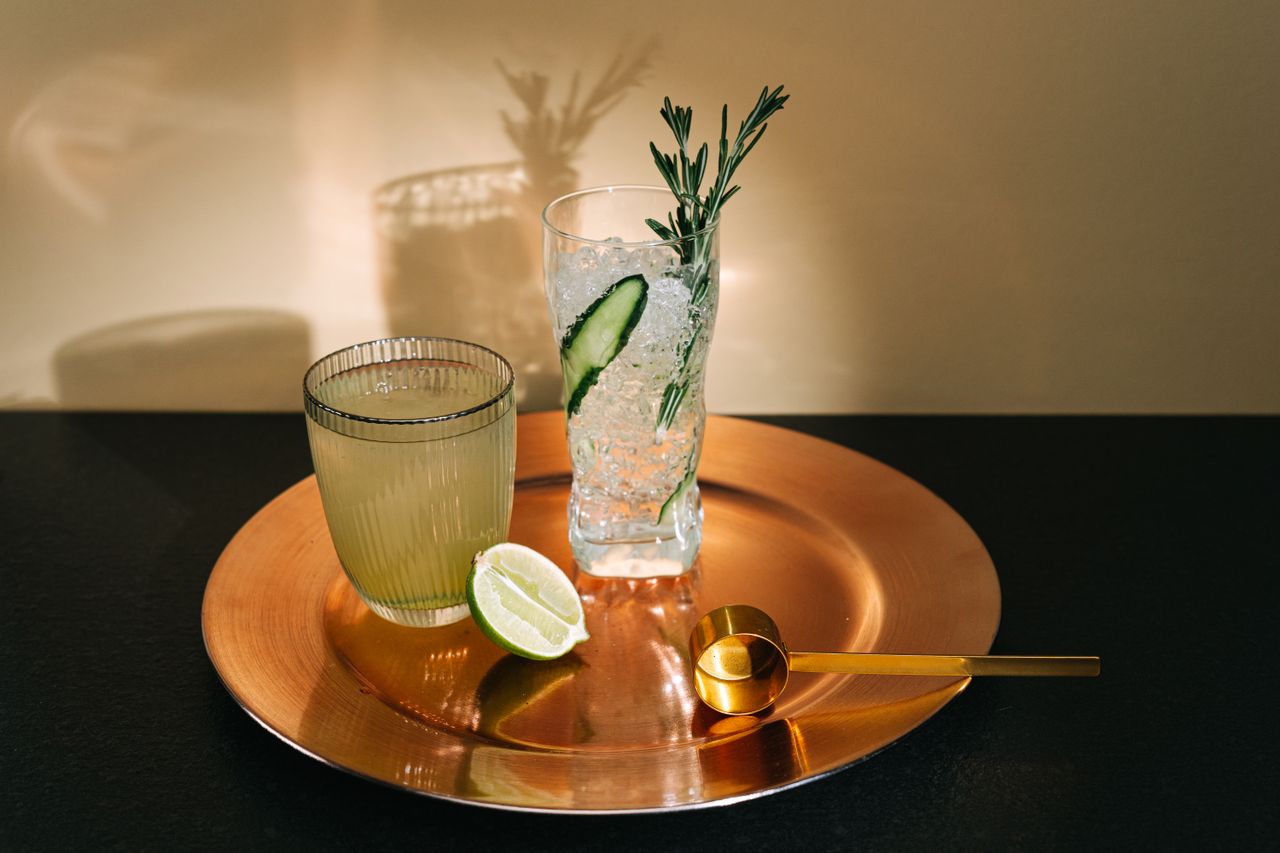
Classic cocktails can feel fixed in stone, but most of them are anything but. The deeper you look at a Martini, Old Fashioned, Negroni, or Daiquiri, the more you see a set of flexible templates that still shape how drinks are mixed at home and in bars.
Why the “classic” label can be misleading
A classic cocktail usually survives because it is simple enough to remember and flexible enough to keep evolving. The Oxford Companion to Spirits & Cocktails traces the cocktail itself to the early formula of spirits, sugar, bitters, and water, then follows how later drinks stretched that idea with citrus, fortified wine, and liqueurs. That helps explain why so many familiar orders still spark debate over what counts as the standard version.
The Old Fashioned is a strong example. According to the Oxford entry on the drink, the Old-Fashioned Whisky Cocktail became widely popular and later picked up extra embellishments before the modern cocktail revival pushed many bartenders back toward earlier builds. That history explains why one bar may lean minimalist while another still treats fruit and sweetness as part of the drink’s personality.
The Martini is even less settled than its reputation suggests. The Oxford Companion notes that its precise origin remains hard to pin down, and that the drink changed repeatedly across the 20th century, becoming drier, then spawning versions with vodka, olive brine, and service on the rocks. For home cooks and home bartenders, that means “classic” often describes a family of drinks, not a single frozen recipe.
Four standards that still teach technique
The Daiquiri looks almost too basic to hide any surprises, which is exactly why it remains such a revealing drink. Bacardí’s historical material credits Jennings Stockton Cox with creating the Bacardí Daiquiri in Cuba with rum, fresh lime juice, sugar, and ice, and the brand still presents that simple structure as the traditional form. WSET also points to the Daiquiri as a template drink, noting that its three main ingredients put the rum at the center.
The Negroni offers a different lesson, one about balance through equal parts. Campari dates the drink to Florence in 1919, while the Oxford Companion says its broad history is clear even if part of the timeline remains patchy, and notes its postwar rise as a signature of Italian café culture. Equal parts gin, Campari, and sweet vermouth sound rigid, but small choices in gin style, vermouth freshness, and orange garnish can make the drink read sharper, softer, or more aromatic.
The Martini and Old Fashioned teach restraint. With the Martini, a shift in vermouth ratio can move the drink from severe to inviting in one pour. With the Old Fashioned, sugar level, bitters choice, and dilution matter more than extra ingredients, which is why these drinks still function as quiet tests of technique.
What this means for a home bar
For a home setup, the secret is not chasing novelty first. It is learning how a few durable formulas behave in the glass. The current Drinks International cocktail report shows that classic drinks still dominate global bar rankings, with the Negroni, Martini, and Old Fashioned remaining central reference points for bartenders. That staying power reflects how useful these drinks are for teaching proportion and texture.
A practical way to learn them is to change one variable at a time. Try a Daiquiri with the same rum but a slightly different sugar level, or compare a Negroni made with freshly opened vermouth against one from a bottle that has lingered too long in the refrigerator. A Martini built wetter than expected can show how much aroma vermouth contributes, while an Old Fashioned stirred a bit longer will reveal how dilution softens whiskey and bitters.
That is the quiet secret these classics still give up. They are not just old recipes preserved for nostalgia. They are working kitchen and bar lessons, compact enough to memorize, but open enough to keep teaching every time you mix one.