
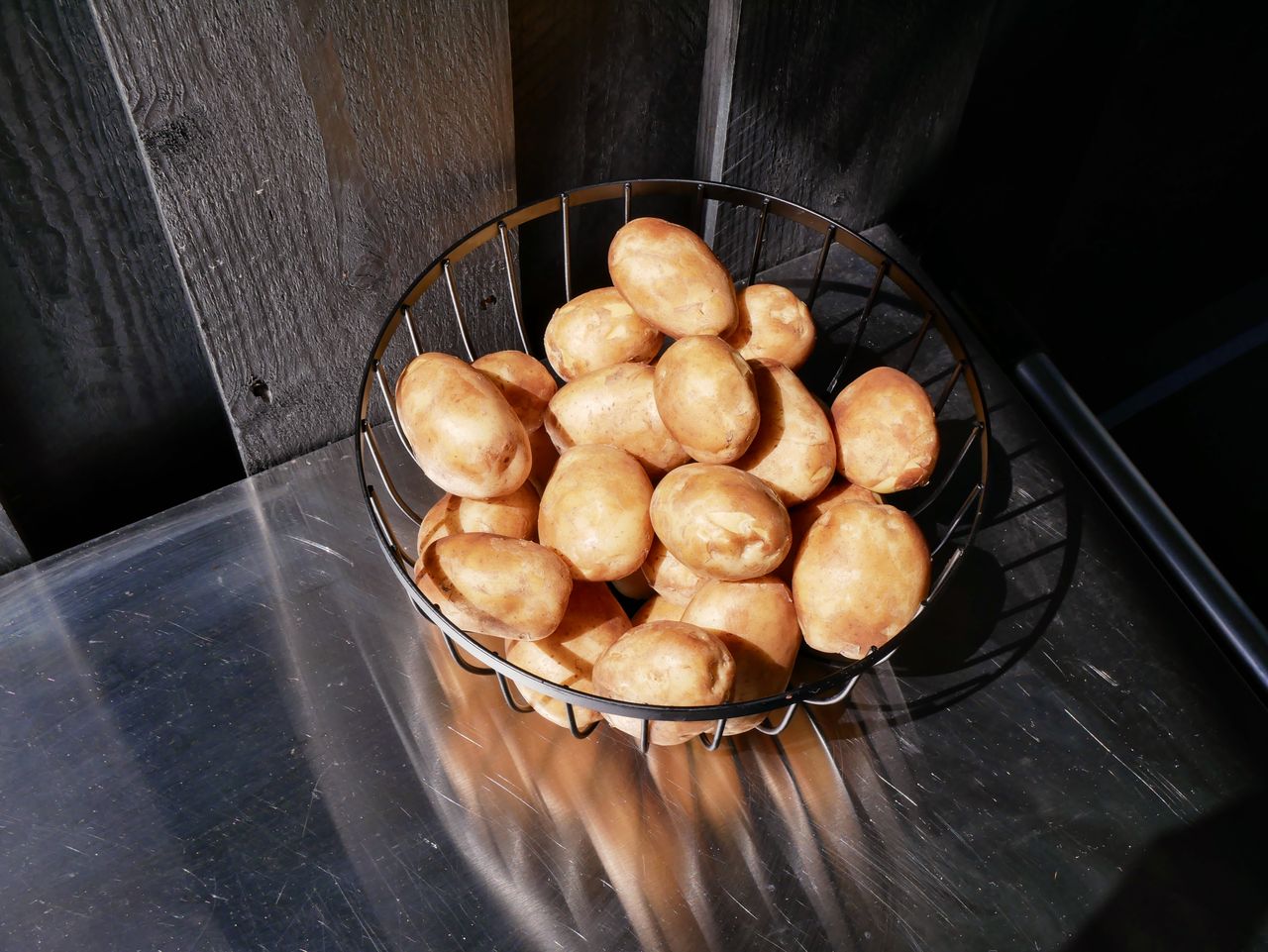
Row 7’s latest potato is already pushing a familiar staple in a new direction. The company’s Poulette potato reached about 60 Whole Foods Market stores in New York, New Jersey, and Connecticut on September 22, giving shoppers a chance to buy a variety that Row 7 and chef Dan Barber say was built around flavor, not just yield or shelf life.
What makes Poulette different
According to Row 7, Poulette is a potato “more than a decade in the making,” with roots in a 2013 conversation between French chef Michel Bras and Cornell potato breeder Dr. Walter De Jong. On Row 7’s trace page for the variety, the company says Bras talked about a favorite French potato called Institut de Beauvais, which De Jong then crossed with a classic New York potato. Row 7 says the result is savory, rich, and deeply roasty.
That flavor profile is the heart of the pitch. On Row 7’s product page, the company describes Poulette as savory, nutty, and full of roasted flavor, with a creamy yet delicately floury texture suited to baking, frying, and mashing. In reporting published October 9 by AOL, based on Food & Wine interviews, Barber said the potato delivers “a savory depth I’ve never tasted in a potato” and compared its flavor to roast chicken.
The breeding story also helps explain why chefs are paying attention. AOL reported that the first cross was made in early 2014, and that Cornell’s program kept selecting for looks, starch content, defect resistance, pest and disease resistance, maturity timing, yield, and then flavor. Row 7 says Poulette was tested for years through its Trial Network, a participatory group of more than 150 chefs and farmers that gave feedback on where the potato thrives and how it performs in kitchens.
Where it’s being sold, and what shoppers can expect
For now, the retail footprint is limited. Row 7’s product page says Poulette is available at Whole Foods Market stores in New York, New Jersey, and Connecticut, and available from September through March. AOL, citing Food & Wine reporting, said the rollout covers roughly 60 Whole Foods stores across the tri-state area and listed the price at $6 per bag.
Row 7 also says the potatoes are 100% organic, and its trace page says the seed potatoes were produced organically in New York. The company says it partnered with a network of organic farmers to bring the variety to market. AOL’s report named Red Hill Farms in Pennsylvania and Norwich Meadows Farm in New York as grower partners, though Row 7’s own public product page does not list farm names on the sales page.
That matters for home cooks because this is not being marketed as a novelty with one narrow use. Row 7 says Poulette works for baking, frying, or mashed potatoes, while AOL’s reporting expanded that list to roasting, boiling, and pommes aligot. The season window through March also suggests this is a cool-weather produce item, not a one-week limited drop.
Why chefs are rethinking the potato
The bigger idea behind Poulette is that a potato can be bred the way chefs talk about tomatoes, peaches, or apples, with specific attention to aroma, texture, and finish. Barber told Food & Wine that many modern potatoes were selected for yield, uniformity, and shelf life rather than flavor. Poulette, by contrast, is being presented as a new variety that tries to balance field performance with a stronger eating experience.
That argument fits Row 7’s broader model. The company says it works with chefs, farmers, and plant breeders to develop vegetables for taste, then bring them into grocery retail with regional growers. Poulette seems to be one of the clearest examples yet of that seed-to-store approach, because the story starts with chef preference, moves through Cornell breeding work, and ends with a supermarket launch.
For shoppers, the practical takeaway is simple. If you live in New York, New Jersey, or Connecticut and spot Poulette at Whole Foods, expect a potato being sold on flavor as much as function. Row 7 says the variety is available through March, and Barber’s advice in the Food & Wine reporting was to keep the first try simple, roast it or bake it, so the potato can speak for itself.