
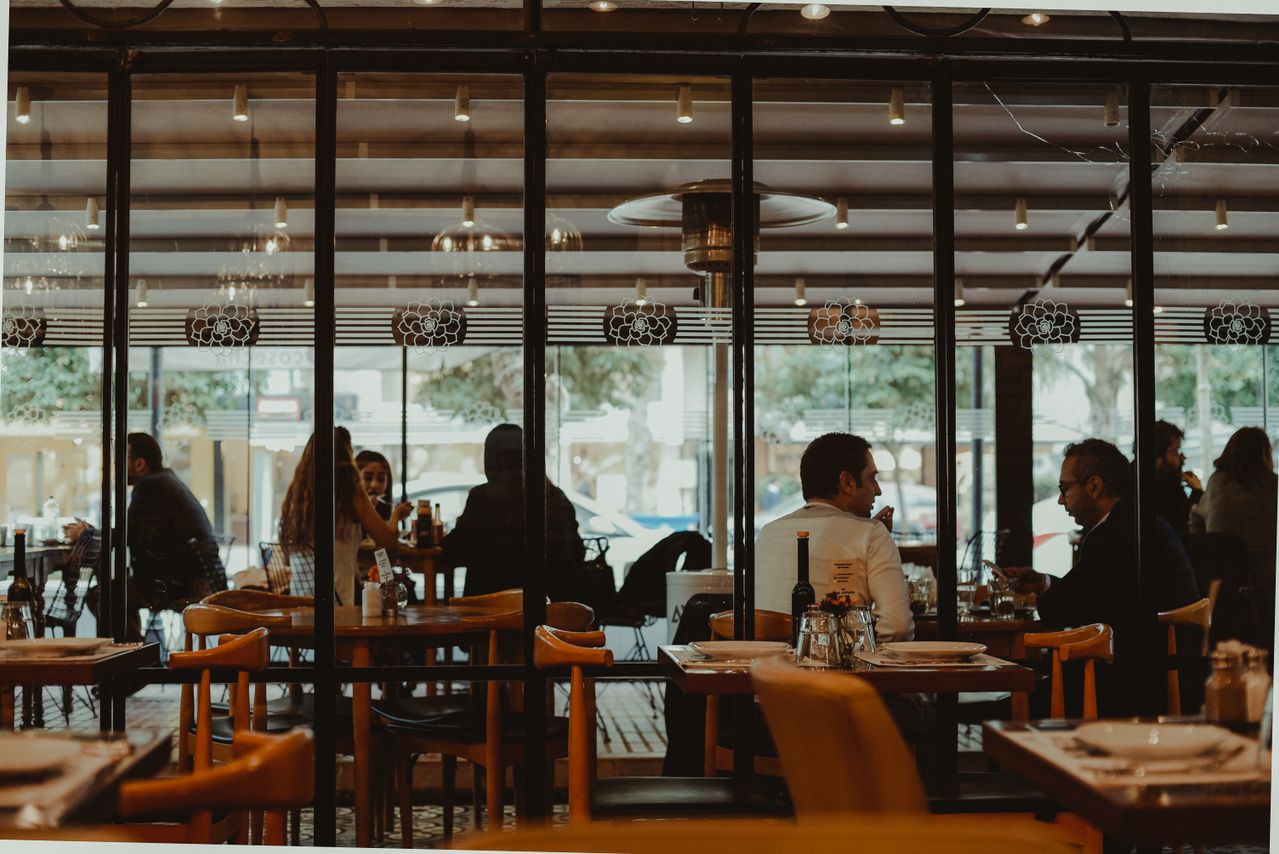
Consumers are still making room in their budgets for meals away from home. That resilience is showing up in the numbers, even as fuel costs keep squeezing wallets across the country.
Why restaurant spending is still climbing
U.S. restaurant spending rose to $103.6 billion in July on a seasonally adjusted basis, according to preliminary federal data highlighted by the National Restaurant Association. That makes July the fourth straight month of gains, with monthly sales increasing by more than $3 billion over that stretch. In a year marked by uneven consumer confidence, that is a powerful sign that dining out remains a priority for many households.
Part of the explanation is simple: the labor market is still doing enough to support everyday spending. The National Restaurant Association has pointed to job growth and wage income as the key pillars holding up restaurant demand, even when other costs rise. As long as people feel employed and reasonably secure, restaurants continue to benefit from both convenience spending and the social role dining plays in daily life.
There is also a practical reality behind the numbers. Eating and drinking places account for roughly 72% of total restaurant and foodservice sales, so this category captures the broad center of how Americans spend on food away from home. Even when consumers pull back on larger discretionary purchases, they may still preserve smaller indulgences like takeout, coffee runs, quick-service meals, and casual dinners.
That said, the top-line figure does not necessarily mean every operator is thriving. Census retail data showed broader retail and food services sales fell 0.6% in July from June, suggesting restaurant strength is arriving in a mixed consumer environment. In other words, diners are still showing up, but the broader economy is giving businesses little room for complacency.
The gas price squeeze is reshaping how people dine
The surprise in the latest spending figure is not that Americans like restaurants. It is that they kept spending even while regular gasoline hovered near or above $4 a gallon for more than four months, a threshold the National Restaurant Association says has put visible pressure on household budgets. Fuel does not just affect commuting; it competes directly with money that might otherwise be spent on lunch, delivery, or dinner out.
That pressure tends to hit lower-income consumers first, and large chains are already seeing it in their results. Reuters reported that McDonald’s posted softer-than-expected U.S. sales growth in early August, with the company pointing to execution issues and a customer base that has become more cautious as fuel and basic living costs rise. Value menus and promotions still matter, but they are no longer guaranteed to offset broader household stress.
Other industry reporting has suggested the same pattern across the sector. Reuters previously noted that several restaurant brands experienced weaker sales momentum as higher gasoline prices forced customers to cut spending elsewhere. Analysts and transaction data firms have also found that restaurant visits soften more noticeably once gas prices push past the $4 mark.
This does not mean consumers stop dining out altogether. Instead, they trade down, visit less often, skip appetizers, or favor quick-service restaurants over full-service occasions. The spending total can still rise in dollar terms even while traffic patterns become more selective and operators fight harder for every visit.
What the $103.6 billion milestone really means
The headline figure is encouraging, but it needs context. Monthly sales are reported in nominal dollars, meaning they are not adjusted for inflation. That means some of the increase reflects higher menu prices, not just more meals sold. For restaurant operators, strong sales can coexist with thinner margins if labor, food, rent, and utilities continue rising alongside revenue.
That tension is central to the 2026 restaurant story. The National Restaurant Association still expects total restaurant and foodservice sales to grow this year, but at a slower pace than it projected earlier. Industry expectations have been tempered by elevated operating costs and more price-sensitive consumers, even though the sector remains one of the largest employers and a major engine of service-sector spending.
For consumers, the July total shows that dining out still holds emotional and practical value. Restaurants serve as convenience, routine, entertainment, and social connection all at once. That makes the category unusually durable compared with other discretionary spending areas, especially when households are choosing where to absorb financial pressure.
Still, resilience is not immunity. If gas prices remain elevated, credit balances keep rising, or job growth weakens meaningfully, restaurant momentum could cool later in the year. For now, though, the $103.6 billion figure stands as a vivid reminder that even in a cost-conscious economy, Americans are not ready to give up their meals out.
Столкнулись с выбором врача-репродуктолога: в разных клиниках дают разные рекомендации, назначают неодинаковые обследования и предлагают разные схемы лечения, поэтому сложно понять, где действительно индивидуальный подход, а где стандартный набор процедур. Хочется найти специалиста, который подробно объясняет причины, не назначает лишнего и честно оценивает шансы. На что вы обращали внимание при выборе репродуктолога и можете ли порекомендовать врача, которому действительно доверяете? Подскажите каким должен быть врач репродуктолог
This article gave me good reasons to explore the topic further when I needed it most and I look forward to reading more from you