
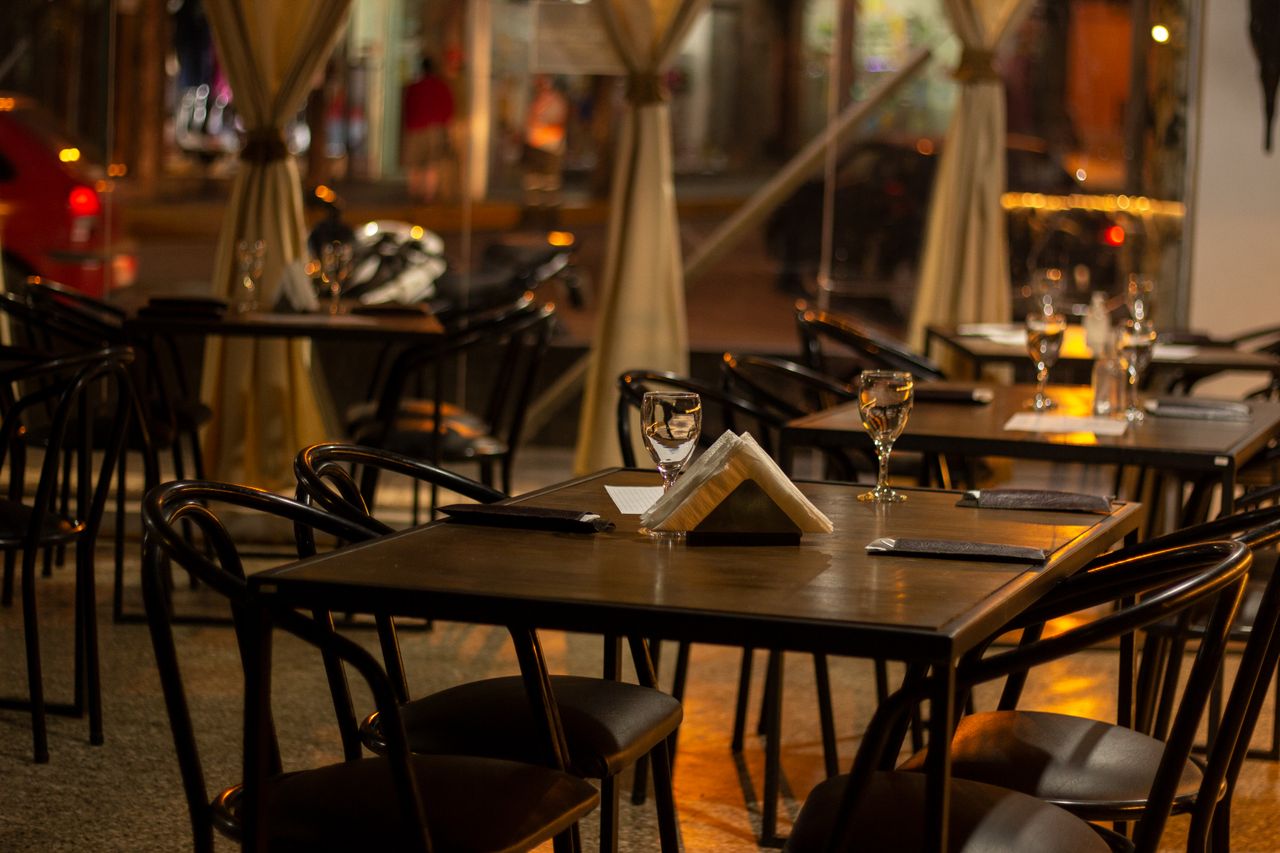
Restaurant spending is picking up nationally after a long stretch of muted growth, according to new credit-card data cited by Nation’s Restaurant News. But the gains are not flowing evenly across the industry: chain restaurants, especially pizza brands, are trailing independents and regional operators even as consumers spend more overall.
Restaurant sales rose in July, but chains lagged the broader market
Bank of America card data, reported by Nation’s Restaurant News on August 25, showed restaurant spending increased 3.3% in July from a year earlier. That was up from 1.8% growth in July 2025, while transaction growth also improved to 1.1% from 0.8% a year earlier. The data pointed to a broad improvement in demand after more than two years of sluggish results.
The same report showed the weakest performance was concentrated among chain formats rather than the industry as a whole. According to the Bank of America figures cited by Nation’s Restaurant News, overall restaurant spending growth outpaced chain growth across quick-service, casual-dining and fast-casual categories. Pizza was the sharpest underperformer, with sales declining over the past three months even as total restaurant spending moved higher.
Other chain segments did post growth, but at a slower pace. Fast-food chains, casual-dining brands and fast-casual operators each grew sales at 1% or less, according to the report. By contrast, other restaurants, including independents and regional brands, grew sales at about 4%, making them the biggest apparent winners in the latest consumer spending snapshot.
The shift appears national, but chain-level and market-by-market details remain limited
The available data describes a national spending pattern rather than a list of specific winners and losers by city or state. Bank of America’s card analysis, as summarized by Nation’s Restaurant News, does not identify which individual pizza chains or other national brands posted the weakest results. It also does not break out a full location-by-location map showing where independent restaurants gained the most ground.
What is confirmed is that the outperformance extended beyond one narrow slice of the business. The report said independents and regional brands were growing faster than chains across multiple categories, not just in a single segment. That distinction matters because it suggests diners are not simply shifting from one chain to another, but are also directing more of their restaurant dollars to local and smaller operators.
There is also no public list tied to the data that shows which metro areas are driving the biggest divergence. That means it is not yet possible to say from the Bank of America numbers alone whether the pattern is stronger in the Northeast, Sun Belt, suburbs or urban cores. For consumers, the practical takeaway is simpler: the broad restaurant rebound is real, but many national chains are not seeing the same lift that smaller competitors are capturing.
Lower-income diners, Gen Z and easing inflation help explain the split
Bank of America said lower-income consumers have posted stronger restaurant spending growth over the past three months than middle- or higher-income diners. Nation’s Restaurant News also reported that Gen Z spending grew more than any other age group and increased across all restaurant sectors. Those two trends help explain why operators with sharper local positioning or more flexible offerings may be drawing more traffic.
Pizza stood out as an exception within the lower-income data. According to the report, lower-income consumers’ spending in pizza fell more than it did for other income groups, suggesting some diners moved away from value-oriented pizza chains and spent in other restaurant categories instead. That shift is notable because pizza has long been considered one of the sector’s strongest value plays.
Industry executives have been pointing to a similar divide. Sysco CEO Kevin Hourican said earlier this year that mom-and-pop restaurants have outperformed chains in the current environment, and Restaurant Business reported that he attributed some of that advantage to flexibility and local relevance. Bank of America also suggested easing menu-price inflation may be helping restaurants overall, especially as some grocery staples, including eggs and chicken wings, have risen faster, making eating out comparatively more competitive again.
This was a really honest and open post.
Really loving the vibe here. The bonuses are generous and it feels like a fair place to play. I’m spending a lot of my free time on krwinkcwinkr these days
Best value for money I’ve seen in a while. The promotions are actually useful and not just bait. I’m staying with zi888 for the long run.