
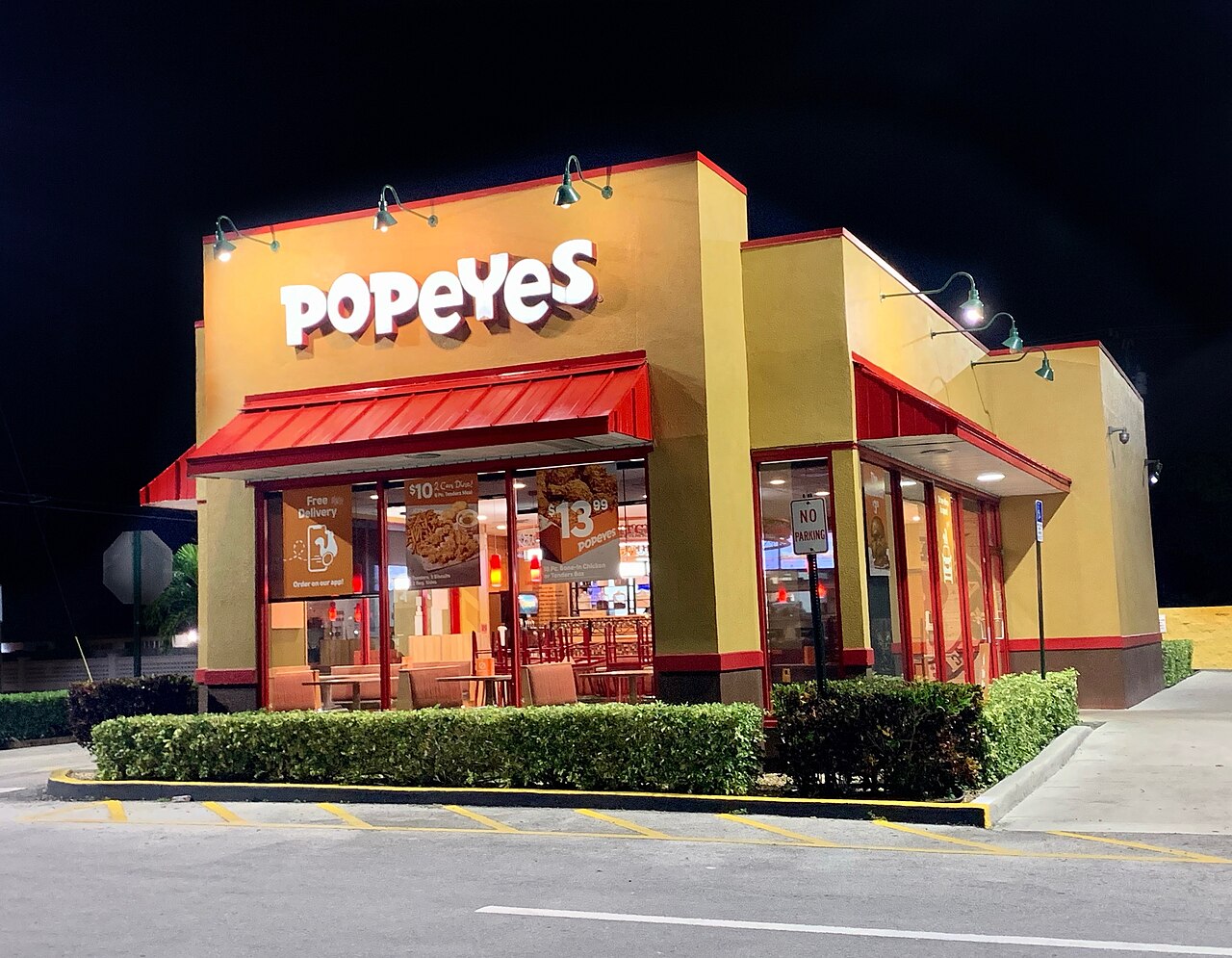
Fast-food chicken remains one of the most competitive segments in U.S. dining, with major chains investing in speed, digital ordering, and repeat traffic. At Popeyes, the food still commands attention, but the issue customers most often say they cannot stand is the service experience. That gap between product demand and store-level execution has become a recurring theme in public complaints and in broader customer-satisfaction data.
Public complaints point to service, not the core food product
The specific issue appearing most consistently in recent customer discussion is poor customer service, including long waits, order inaccuracies, and inconsistent handling of mobile and in-store orders. A recent NewsBreak report compiling posts from the r/Popeyes subreddit said commenters repeatedly described delays, missing items, and stores that were not reliably prepared for online pickup. In those posts, criticism centered on the transaction experience rather than the taste of the food.
That distinction matters because Popeyes remains a large chain with significant scale. Restaurant Brands International, Popeyes’ parent company, said in April 2026 that the brand has more than 5,000 restaurants in the U.S. and around the world, placing operational consistency at the center of the customer experience. The company also said on April 24, 2026, when it announced Chris Padoan as chief operating officer for Popeyes U.S. and Canada, that strengthening restaurant operations is a key priority for the brand’s next phase of growth.
Third-party satisfaction data also shows some pressure. The American Customer Satisfaction Index restaurant and delivery study published in 2025 listed Popeyes at 75, down from 77 in the prior reading shown in that report. That two-point decline aligns with the kind of complaints customers have continued to post publicly about wait times and service reliability, even as the chain’s food remains a draw.
What that means locally, and what is still not publicly broken out
For customers in the United States, the practical impact is that service complaints appear to be broad rather than tied to one officially identified market. The available public reporting does not provide a verified state-by-state or city-by-city breakdown of the most problematic Popeyes locations. The company has not released a comprehensive list of stores associated with the complaints described in social posts and aggregated coverage.
That limits what can be confirmed at the local level. It is possible to say that customers across multiple markets have described similar issues in public forums, but it is not possible from the available source material to verify which individual restaurants, counties, or metro areas account for the largest share of complaints. No official filing in the reviewed materials identifies a specific U.S. state as uniquely affected by the service concerns.
What is confirmed is that Popeyes’ operating footprint is large, and that any inconsistency can affect a wide range of diners. RBI’s latest corporate materials describe Popeyes as one of the world’s largest chicken quick-service chains, and that scale can make staffing, throughput, and order accuracy especially visible to customers during peak meal periods.
Operations, labor pressures, and throughput remain the main context
The reasons behind the complaints appear to be operational rather than product-driven. The NewsBreak summary, drawing on customer and former employee commentary, said one recurring explanation is that Popeyes chicken is often cooked fresh to order, which can improve product quality but also create bottlenecks during busy periods. That helps explain why customers expecting a quick handoff can still encounter delays, even with digital ordering.
RBI’s own public statements place operations at the center of the issue. In its February 2026 full-year results and March 2026 growth update, the company said franchisee financial stability, inflation, affordability pressures, labor and employment regulation, commodity costs, and the effectiveness of restaurant operations all remain material business factors. Those are broad corporate disclosures, but they provide context for why service consistency can be difficult to maintain across a nearly fully franchised system.
For customers, the current takeaway is straightforward: the food remains a major reason people visit Popeyes, but service reliability is still the point of friction most often cited in public discussion. The company has publicly signaled that restaurant operations are a priority, and that makes execution, speed, and order accuracy the areas customers are most likely to watch next.