
Some fast-food returns feel like routine marketing. This one felt personal.
When Taco Bell brought back the Caramel Apple Empanada, it landed with the kind of force most chains spend years trying to manufacture. The surprise was not just that it returned, but that it instantly reminded people how rare a truly beloved dessert item has become in quick service. Taco Bell had already been leaning into nostalgia, yet this was the item that seemed to cut through the loudest.
Why this comeback mattered more than expected
Taco Bell framed the revival as part of a broader nostalgia play. In August 2024, the company tested a “Decades” lineup in Southern California featuring the Tostada, Green Burrito, Meximelt, Gordita, and Caramel Apple Empanada, essentially building a time-capsule menu around old fan favorites. That test signaled the brand knew its retired items still carried emotional weight, especially among customers who grew up with them.
The national rollout made the strategy clearer. Taco Bell announced in October 2024 that the Decades Menu would bring back the Tostada, Green Sauce Burrito, Meximelt, and Gordita starting October 31, while the Caramel Apple Empanada would arrive nationwide on November 21, each priced under $3 for a limited time. By separating the empanada’s arrival from the rest, the chain effectively gave the dessert its own moment.
That mattered because dessert comebacks are different from savory ones. A taco or burrito can be replaced by a newer variation, but a singular dessert builds a more concentrated kind of loyalty. Taco Bell itself acknowledged the empanada was continuously demanded by fans, and that demand helps explain why this item hit harder than other returns in the same campaign.
The Caramel Apple Empanada had a built-in emotional advantage

The Caramel Apple Empanada was never just a side item. It occupied a rare fast-food sweet spot: warm, crisp, portable, and distinct enough that people remembered it years after it disappeared. Taco Bell described it as a golden-brown pastry with apple pieces and creamy caramel filling, a combination that delivered texture, sweetness, and just enough indulgence to feel like a real treat rather than an add-on.
That distinction is important in a market where many chains rely on cookies, shakes, or fried dough variants that blur together. The empanada had a more specific identity. It was a dessert with a clear flavor story, and that gave customers something concrete to miss.
Nostalgia also works best when the original item belongs to a recognizable era. Taco Bell positioned the empanada as its 2000s representative on the Decades Menu, which amplified its cultural pull. For millennials in particular, the return was not only about taste but about being transported back to a period when late-night Taco Bell runs, cheaper menu boards, and impulse dessert orders felt routine.
Taco Bell understood the mechanics of anticipation

One reason the return hit so hard is that Taco Bell did not treat it like a quiet menu refresh. The company first tested the Decades concept in three Southern California restaurants from August 15 through August 21, 2024, creating a sense of exclusivity and letting word-of-mouth build before the national release. That test-market approach gave the comeback credibility rather than making it feel like a random nostalgia stunt.
Then came the staggered launch. While the savory Decades items arrived at the end of October 2024, the empanada was held until November 21. That delay turned the dessert into the headline act, not just one more revived menu option.
Taco Bell also wrapped the campaign in merch drops, app promotions, and limited-time offers, including a deal where ordering the first four Decades items unlocked a $1 Caramel Apple Empanada during a later redemption window. That kind of sequencing matters. It transformed the return from a passive menu announcement into an event, and event status is what turns old products into cultural moments.
The comeback says a lot about where fast food is heading

The success of a return like this reflects a broader shift in chain strategy. Fast-food brands are increasingly using archives as innovation labs, mining discontinued products because they come with built-in awareness, lower explanation costs, and a ready-made emotional audience. Taco Bell has been especially effective at this, balancing novelty with menu items that already have a fan base.
That does not mean every comeback works. Some older items return and feel dated, overpriced, or technically inferior to memory. The Caramel Apple Empanada avoided that trap because its appeal was straightforward. It was affordable, familiar, and differentiated from the endless parade of limited-time savory mashups that dominate quick-service launches.
It also arrived at a moment when consumers are paying closer attention to perceived value. Taco Bell said every item on the 2024 Decades Menu would be under $3, with the empanada listed at $2.99. In an era when fast-food pricing regularly sparks backlash, bringing back a cult favorite at a relatively accessible price gave the item another layer of appeal beyond pure nostalgia.
Not every Taco Bell return lands with the same force
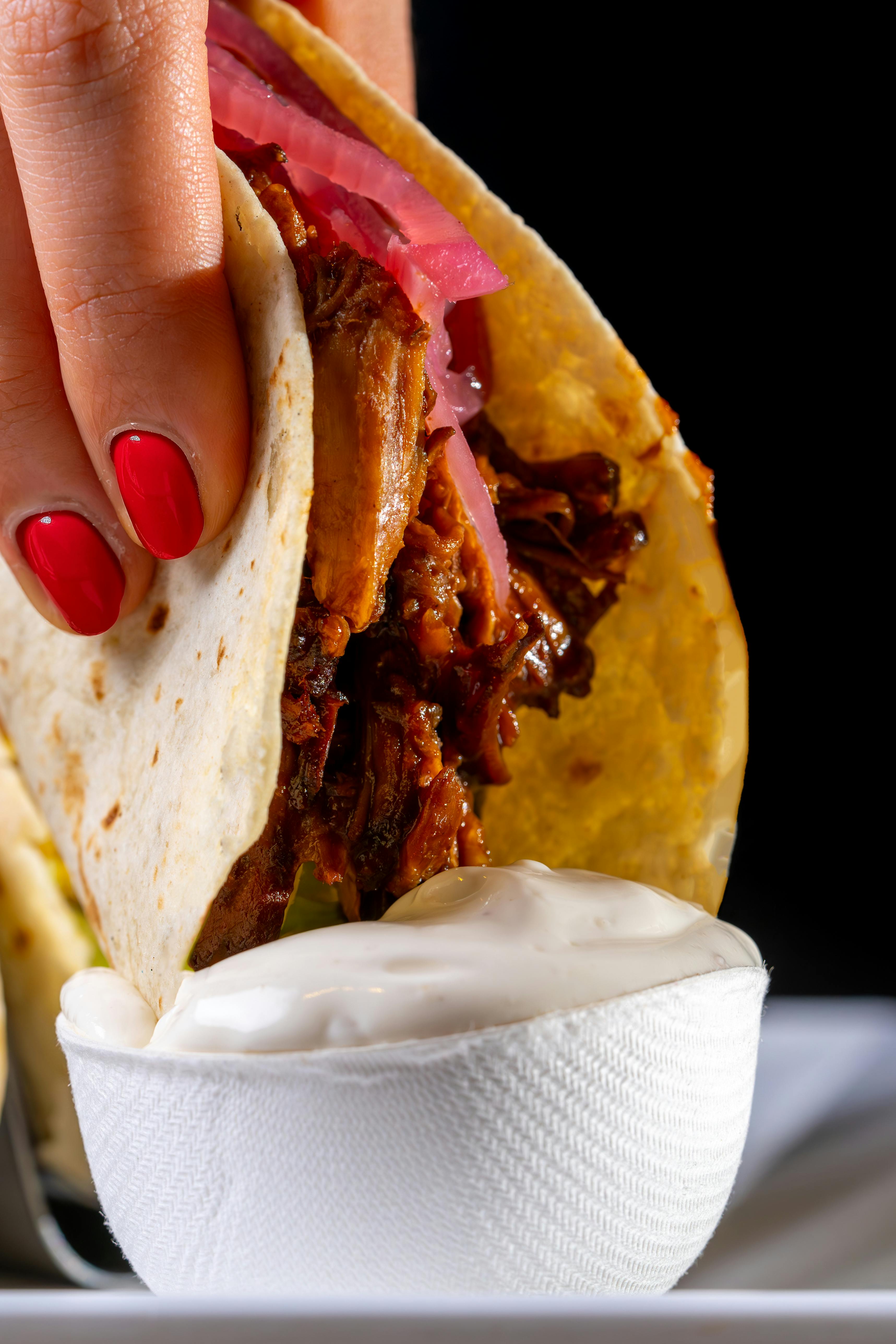
Taco Bell continues to cycle in fan favorites. In May 2026, for example, it brought back the Shredded Beef Dipping Taco nationwide for a limited time and paired it with new Shredded Beef Nacho Fries. The company clearly understands that limited-run returns create urgency, and the Dipping Taco demonstrates how effectively Taco Bell can package a comeback around bold flavor and social-media-friendly appeal.
But the emotional profile is different. The Shredded Beef Dipping Taco is a modern fan favorite, built around indulgence, novelty, and the birria-inspired dipping format. It is exciting, but it does not necessarily trigger the same long-memory attachment as an item tied to the 2000s and earlier.
That is what made the empanada stand apart. It was not just another successful limited-time offer. It represented the kind of menu memory customers carry for years, the sort of item people mention unprompted when discussing what chains should bring back. When Taco Bell revived it, the reaction felt less like curiosity and more like relief.
Why this item resonated beyond the menu board

The strongest food comebacks do more than satisfy cravings. They validate the customer memory that formed around the item in the first place. Taco Bell’s own marketing leaned into that idea, with Chief Marketing Officer Taylor Montgomery saying everyone remembers the moment they fell in love with Taco Bell and the item that takes them back. For many customers, the Caramel Apple Empanada was clearly that item.
There is also a broader emotional truth here. Fast food is often discussed in terms of convenience and value, but its deepest staying power comes from ritual. A forgotten dessert can carry memories of high school, first jobs, road trips, or late-night drive-thru stops with friends. The food itself matters, but the life around it matters more.
That is why this comeback hit so hard. Taco Bell did not simply revive a discontinued pastry. It reopened a small but vivid part of people’s personal histories, and it did so with an item distinct enough to feel irreplaceable. In a crowded market full of engineered hype, that kind of reaction is hard to fake and even harder to earn.