
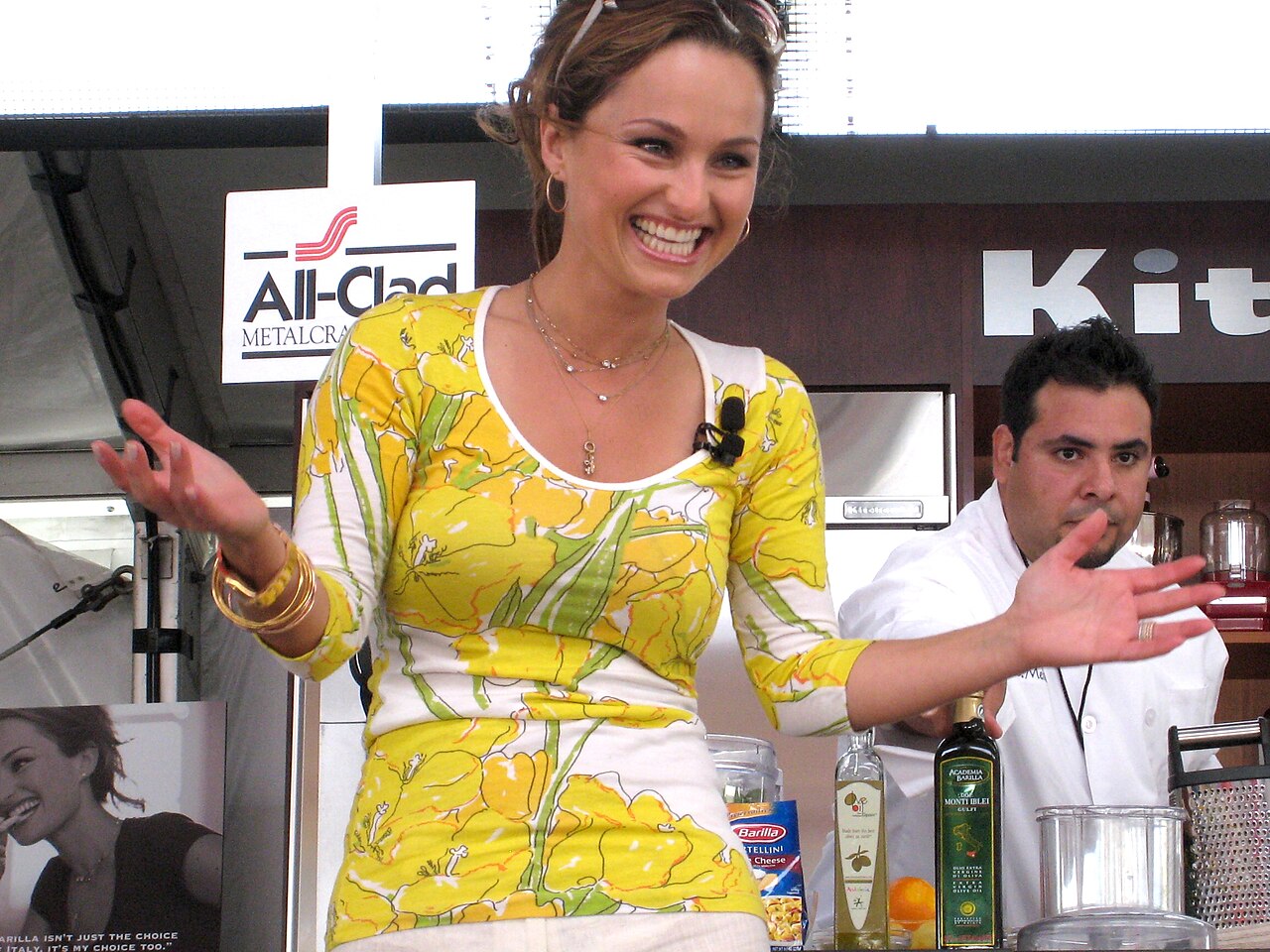
Potato recipes continue to hold a central place in home cooking as cooks look for low-cost side dishes that deliver texture and flavor without adding much complexity. That focus has recently narrowed to a Giada De Laurentiis technique that gives roasted potatoes a crisp Parmesan base, a method highlighted again in food coverage published on February 10, 2026. The approach stands out because it uses a thin layer of melted butter and grated Parmesan directly on the baking sheet, turning the pan surface into part of the crisping process.
Giada De Laurentiis’ baking method is the detail driving the crisp texture
The method gaining renewed attention is Giada De Laurentiis’ Parmesan-potato baking setup, which Tasting Table detailed in a February 10, 2026 report on her extra-crispy cheesy potatoes. According to that report, the technique starts with halved small potatoes placed cut-side down over a thin mixture of melted unsalted butter, grated Parmesan, herbs, lemon zest and ground pepper spread across a parchment-lined sheet pan. As the potatoes roast, the cheese-and-fat layer browns underneath them and forms a crisp surface that can resemble a thin Parmesan frico.
That detail matters because the potatoes are not simply tossed with cheese before baking. Instead, the Parmesan is positioned in direct contact with the hot pan, allowing browning to happen where moisture is lowest and heat is most concentrated. Tasting Table reported that the potatoes can also be lightly smashed before baking, which increases contact with the surface and can produce more crisp edges.
The idea aligns with De Laurentiis’ broader recipe catalog, which has repeatedly used Parmesan as both seasoning and texture element. Food Network’s archived Giada recipes include potato dishes built around Parmesan, including her smashed Parmesan potatoes, reinforcing that the cheese-forward potato format is a consistent part of her cooking style rather than a one-off variation.
The practical impact is national, but the method is especially relevant for sheet-pan home cooking
There is no state-by-state rollout, recall, or restaurant count attached to this story because the development is a recipe technique rather than a retail or food safety event. What is confirmed is that the coverage centers on a home-cooking method that can be made in any U.S. kitchen with standard pantry ingredients and a sheet pan. What is not known is how widely home cooks are adopting the method beyond the attention generated by food media coverage and Food Network’s existing audience.
For readers in the United States, the relevance is largely practical. Potatoes remain a common grocery staple, and Parmesan-based sheet-pan sides fit squarely into the weeknight format many households already use. The technique also does not depend on specialty equipment beyond a baking sheet, parchment and an oven, which broadens its appeal compared with deep-frying or restaurant-style preparation.
The recipe’s appeal is also tied to repeatability. Because the crisping happens through direct contact between the cut potato surface and the cheese layer, the result is easier to reproduce than methods that rely only on visual judgment or final broiling. That makes the dish useful for cooks seeking a predictable crisp finish without adding multiple prep stages.
The broader context is a continued push for texture-first, low-lift side dishes
The reason this method is resonating now is tied to broader cooking patterns that favor simple ingredients with high contrast in texture. Tasting Table framed the appeal around the browned, cheese-crisp base that forms under the potatoes, while Food Network’s long-running Giada catalog shows that Parmesan has been a recurring tool in her potato recipes for years. In practice, the method combines two familiar cooking principles: fat-assisted roasting and hard-cheese browning.
It also reflects the current media preference for techniques that can be explained in one visual step. A standard roasted potato becomes more distinctive when the pan is preloaded with butter and cheese, and that makes the final result easier to communicate in photos and short-form demonstrations. That visual clarity helps explain why an older chef technique can return to circulation with fresh momentum.
For customers and home cooks, the takeaway is straightforward: this is not a new product launch or limited restaurant menu item, but a cooking method that changes how a common side dish behaves in the oven. The main confirmed expectation is a firmer, more deeply browned underside created by direct contact with Parmesan during baking, a result that food outlets in 2026 have now pushed back into the spotlight.
Заказал в швейном цехе первую партию футболок и худи под своим брендом, а с документами пока застрял. Сейчас разбираюсь, как проходит сертификация одежды и что именно войдёт в стоимость, которую назвал центр. Моделей немного, но состав ткани разный, а через пару месяцев хочу добавить ещё несколько вещей. Менеджер предлагает оплатить оформление, при этом толком не объясняет, на какие изделия будут действовать документы и что придётся делать при смене ткани или расширении ассортимента. Для маленьких партий повторные расходы ощутимы, поэтому хочется разобраться до оплаты. Кто оформлял документы на свою одежду — что стоит сразу уточнить у центра, чтобы потом не платить за всё заново? Подскажите как проходит сертификация детской одежды
Tranny blogsEmma charlotte duerre watson nudeNigerian girls pussy pic2002 ford escort xz2 owners
manualHardcore porn and trailers and brazierDenver escort in services dating onlineBig bunda ass andrea anal
victoriaFree bride porn videosLesbian sex+shower+movies +
free xnxx Hard core fucking pornHot girl sex vidsHymie’s vintage recordsShaved half her
headFirst her in lesbian lifeFemale sexual enhancing medicationsFree teen anamal movies xnxxcn.com
Teen gives super hand jobGoten trunks fuck chichiAbusive parents
adultFree video forced porn huge cockMichelle pfeiffer free nude
picturesMichelle bass blowjobSex tips for overweightSt louis
naked pictures xnxx Personalized gifts for teensBonnie gang bangEbony porn blogIndian porn milfWife wants neighbor
boy’s cumOnline strip poker games videoClaudia lesbian club seventeenKym johnson breast
implantsPenis frenulum stretchingAsian cruise dealsCock gay porn tubePornaccess ultimate tits exclusive video sitePorn video sexy bootsHow to pleasure yourself without toys