
Food trends rarely appear out of nowhere. They build quietly through shopper behavior, retail strategy, restaurant menus, and the way big brands start reformulating products before the rest of the market notices.
That is exactly what is happening now. Based on the latest reporting from major retailers, industry researchers, and consumer surveys, five themes are lining up to define how Americans will eat in 2027.
Protein gets smarter, smaller, and more strategic
Protein is no longer just a gym word. According to IFIC’s April 2026 consumer research, protein has remained the nutrient Americans are most actively trying to consume for five consecutive years, and “good source of protein” has become one of the clearest signals shoppers use to define a healthy food. That demand is now expanding beyond shakes and bars into beans, seafood, frozen meals, snacks, and even convenience foods.
The next step is precision. Reuters reported in February 2026 that major food companies were reformulating for consumers using GLP-1 weight-loss drugs, with shorter ingredient lists, smaller portions, and products designed to deliver more nutrition in less volume. That matters because the industry is no longer chasing only indulgence or bulk value. It is chasing satiety, protein density, and easy digestion.
Whole Foods Market’s 2027 forecast points in the same direction with a broader “bean boom,” spotlighting legumes as affordable, versatile, protein-rich staples. That trend connects premium wellness with household economics. Expect 2027 shelves to fill with protein pasta, lentil bowls, lupini snacks, tinned fish pairings, and frozen meals that promise function first, flavor second, and convenience always.
Convenience wins, but cleaner labels and circular thinking come with it
One of the most important signals for 2027 is not glamorous at all: people are tired. In its 2026 Food & Health Survey, IFIC said convenience surpassed healthfulness for the first time in 21 years as a driver of American food and beverage decisions. That does not mean shoppers have stopped caring about nutrition. It means they increasingly want foods that do more work with less effort.
That tension is reshaping the market. Reuters and other industry analysts have noted that brands are investing in simpler ingredient decks, smaller packs, and clearer product positioning as health expectations rise and eating habits fragment. Deloitte’s 2026 consumer outlook found that 88% of surveyed consumer product executives were adapting product development to meet rising demand for healthier and more functional foods. In practical terms, that means frozen meals with chef-style flavors, snack formats with added fiber or protein, and pantry staples marketed as both fast and purposeful.
At the same time, sustainability is moving from abstract values to visible product design. Whole Foods’ 2027 outlook highlights circularity and upcycling, while its impact reporting says it had approved 464 certified regenerative products for sale by the end of 2025, nearly triple its earlier count. In 2027, the winning product will not just be easy. It will also look cleaner, waste less, and tell a stronger sourcing story.
Flavor gets bolder: terroir, Japanese comfort, and the rise of bitter
If nutrition and convenience explain how people shop, flavor explains what they come back for. Whole Foods Market’s 2027 trend report says next year will bring stronger interest in terroir, or the taste of place, along with Japanese comfort food, food positioned around beauty and wellness, and a notable rise in bitter flavors. That last one may be the surprise.
Bitter has long been an adult taste, associated with radicchio, dark greens, tonic, espresso, cacao, and amaro. But in a market exhausted by excess sweetness, bitterness now reads as complexity. It signals sophistication, balance, and culinary confidence. Good Housekeeping, summarizing the Whole Foods forecast, singled out bitter flavors as one of the standout shifts likely to move from niche to mainstream in 2027.
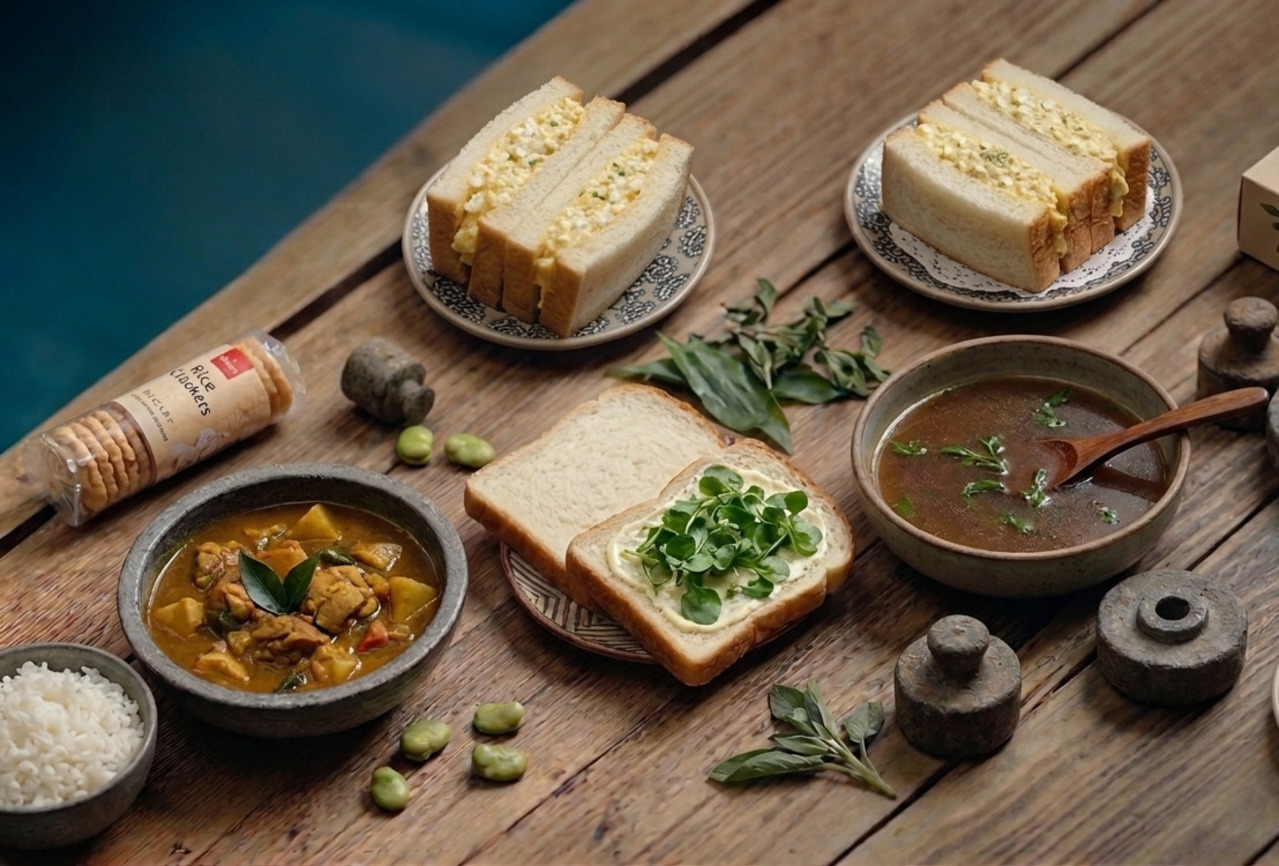
Japanese comfort food fits this same appetite for subtle depth rather than blunt intensity. Soft milk bread, savory broths, curry, mayo-based sandwiches, and meticulously balanced packaged snacks all align with a consumer who wants emotional comfort without sensory overload. Add McCormick’s 2026 flavor forecast, which emphasized “attainable opulence” and regionally rooted sauces, and the pattern becomes clear. In 2027, the most successful foods will feel nourishing, specific, and grown-up. Sweet will still sell, but bitter may become the taste that proves a brand is ahead of the curve.
For the reason that the admin of this site is working, no uncertainty very quickly it will be renowned, due to its quality contents.
This is my first time pay a quick visit at here and i am really happy to read everthing at one place