
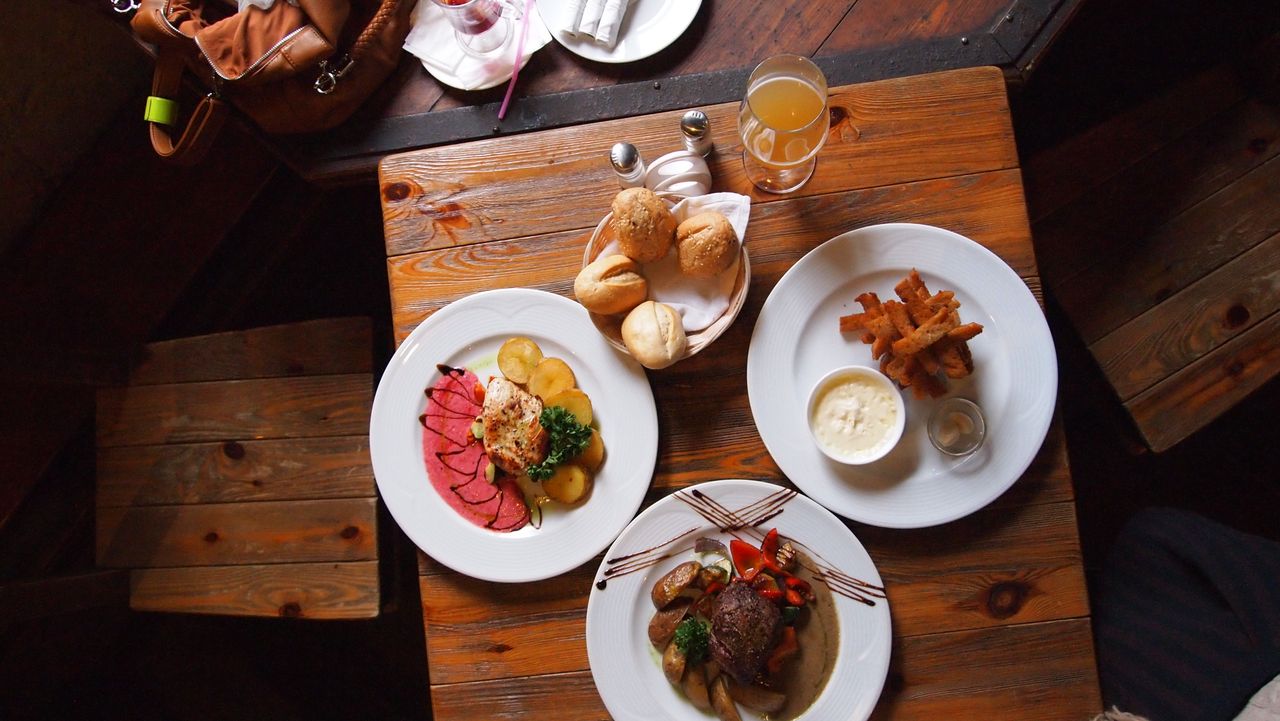
Across Europe, dinner hours can signal more than taste, reflecting labor patterns, family routines, and social norms that vary sharply by country. In the Netherlands, one of the clearest examples is the longstanding habit of eating the main evening meal unusually early by Southern European or American standards. While “dusking” is not a formal Dutch culinary term confirmed by major Dutch institutions, the underlying tradition it points to — dinner commonly served around 5 p.m. to 6 p.m. — is well documented in reporting on Dutch food culture.
An early dinner remains a recognizable Dutch routine
Dutch food and culture outlet DutchReview reported in an October 7, 2025 explainer that people in the Netherlands typically eat dinner between 5 p.m. and 6 p.m., a schedule that often surprises visitors arriving from countries where the evening meal starts much later. The same publication has separately described 6 p.m. as a standard dinnertime in the Netherlands, reinforcing that the pattern is not limited to one household or one region. Those accounts do not present a national participation rate, and no official government dataset reviewed for this article assigns a verified percentage of Dutch households to the habit.
What is clear is that the early meal is treated as a broad social expectation. DutchReview’s reporting on dining etiquette and everyday customs describes dinner as a planned, time-sensitive part of the day, not an open-ended social occasion that drifts later into the night. That makes the practice visible not only in homes but also in how residents think about evening schedules.
The term “dusking,” however, appears to be a descriptive label rather than a formally recognized Dutch dining category. Available reporting supports the existence of the early-dinner custom itself, but not the idea that Dutch institutions or mainstream Dutch-language coverage widely identify it under that specific name as of September 9, 2026.
What the tradition looks like on the ground in the Netherlands
In practical terms, the Dutch pattern centers on a warm evening meal served shortly after the workday and before a longer night of socializing at home. DutchReview has reported that many Dutch households treat dinner as an efficient, regular part of domestic life, and IamExpat describes the standard Dutch dinner format as “AVG” — aardappel, vlees, groenten, or potatoes, meat, and vegetables — a shorthand that underscores how structured and familiar the meal can be.
What remains less clear is how much the schedule varies by city, age, or household type. The sources reviewed do not provide a comprehensive regional breakdown showing whether Amsterdam, Rotterdam, Utrecht, or smaller towns keep meaningfully different dinner hours. They also do not establish a nationwide trendline showing whether the custom is weakening among younger residents.
Still, multiple culture reports point to the same lived reality: guests who expect a Mediterranean-style 8 p.m. dinner may find that Dutch hosts have already eaten. That timing also shapes social etiquette, including expectations around punctuality and whether an unplanned visitor is likely to stay for the meal.
The roots are tied to work, class, and everyday efficiency
The best-documented explanation for the Dutch schedule is historical. DutchReview traces the modern pattern to 19th-century industrialization, when factory work made midday hot meals less practical for working families and shifted the warm meal toward the early evening. Its separate overview of Dutch dining traditions says lower-income households once ate their warm meal earlier in the day, while later social and economic changes pushed more families toward an evening timetable.
That account also points to 20th-century retail and household changes, including the expansion of shopping hours and middle-class routines, as factors in moving dinner toward the 5 p.m. to 6 p.m. window. More recent commentary from the same outlet links the tradition to a broader Dutch preference for efficiency and schedule discipline in everyday life.
For readers, the main takeaway is straightforward: the Dutch early-dinner custom is real, even if “dusking” is not a standard official term for it. Someone visiting or dining with Dutch households should expect the main meal to arrive earlier than in many other countries, a pattern that remains part of the Netherlands’ modern food culture according to recent reporting.
Solid platform with a great community feel. I feel like my wins are actually possible here. Definitely give krcubet a try today.
This place has such a fun vibe and the bonuses are actually generous. It is my new favorite way to unwind after work. Cheers to phokfunph for the awesome service.
I’ve been trying out a few platforms lately and this one really stands out. The interface is smooth and everything just works. Definitely worth checking out zh88com