
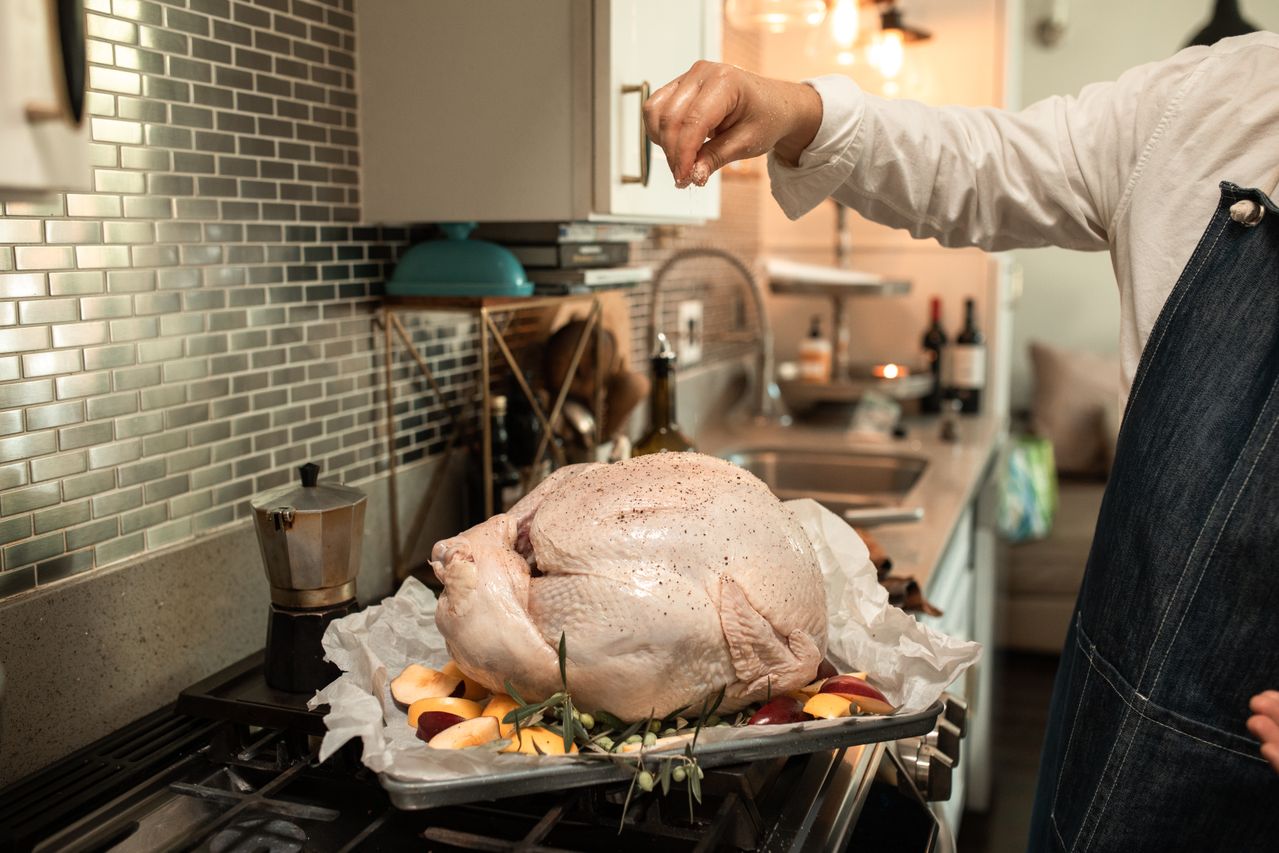
A big frozen turkey needs more lead time than many holiday cooks build into the calendar. USDA food safety guidance shows that a 20 to 24 pound bird can take 5 to 6 days to thaw in the refrigerator, which means waiting until Thanksgiving week can be too late for a Thursday meal.
Refrigerator thawing takes the longest, but it is the safest method
The USDA Food Safety and Inspection Service says there are three safe ways to thaw food: in the refrigerator, in cold water, and in the microwave. For whole turkey, the refrigerator method is the slowest, but it keeps the bird at a safe temperature while it thaws and gives cooks more flexibility once the turkey is ready. FSIS also says a thawed turkey can stay in the refrigerator for 1 to 2 additional days before cooking.
That timing matters most with larger birds. USDA guidance says to allow about 24 hours for every 4 to 5 pounds of whole turkey in the refrigerator. Broken out by weight, a 4 to 12 pound turkey takes 1 to 3 days, a 12 to 16 pound bird takes 3 to 4 days, a 16 to 20 pound bird takes 4 to 5 days, and a 20 to 24 pound turkey takes 5 to 6 days.
The refrigerator also needs to do its part. FSIS says refrigerated foods should be kept at 40°F or below, and cold air needs to circulate to help keep food safe. That means an overpacked holiday fridge can work against the thawing plan, especially when a large turkey is sharing space with side dishes, desserts, and leftovers in progress.
Cold-water thawing is faster, but it needs attention
Cold-water thawing can save the day if the turkey is still frozen and the holiday is close, but USDA guidance comes with clear conditions. FSIS says the turkey should be thawed in cold water, not warm water, and the water should be changed every 30 minutes. The bird should also be wrapped securely so water cannot leak through the packaging.
The timetable is much shorter than refrigerator thawing. A 4 to 12 pound turkey takes 2 to 6 hours in cold water, a 12 to 16 pound turkey takes 6 to 8 hours, a 16 to 20 pound bird takes 8 to 10 hours, and a 20 to 24 pound turkey takes 10 to 12 hours. That makes the method practical for a last-minute fix, but not a hands-off one.
USDA says food thawed by the cold-water method must be cooked immediately after thawing. That rule is important because the faster method can let parts of the turkey warm more quickly, reducing the margin for safe holding. In other words, cold-water thawing is a same-day move, not a thaw-now, roast-tomorrow plan.
Why the kitchen counter is not a safe shortcut
FSIS says food must be kept at a safe temperature while thawing. Once frozen food gets warmer than 40°F, bacteria that may have been present before freezing can begin to multiply. That is why the agency says turkey should never be thawed on the kitchen counter, in hot water, outdoors, or in places like a garage, basement, car, dishwasher, or porch.
For home cooks, the biggest mistake is often treating thawing like a small prep step instead of part of the cooking schedule. A heavy frozen turkey is not something to pull out a day or two ahead and hope for the best. The safe plan is to count backward from the meal date using the turkey’s weight, then choose the refrigerator or cold-water method based on how much time is left.
However the bird is thawed, the final safety step is the same. FSIS says a whole turkey is safely cooked when the internal temperature reaches 165°F in the innermost part of the thigh and wing and the thickest part of the breast. That gives cooks a clear finish line after the thawing math is done.
Thanks for finally writing about > Don't Wait Until Thanksgiving
Week to Thaw a Big Turkey. The Safe Timeline Is
Longer Than You Think – Tabbys Pantry < Loved it!