
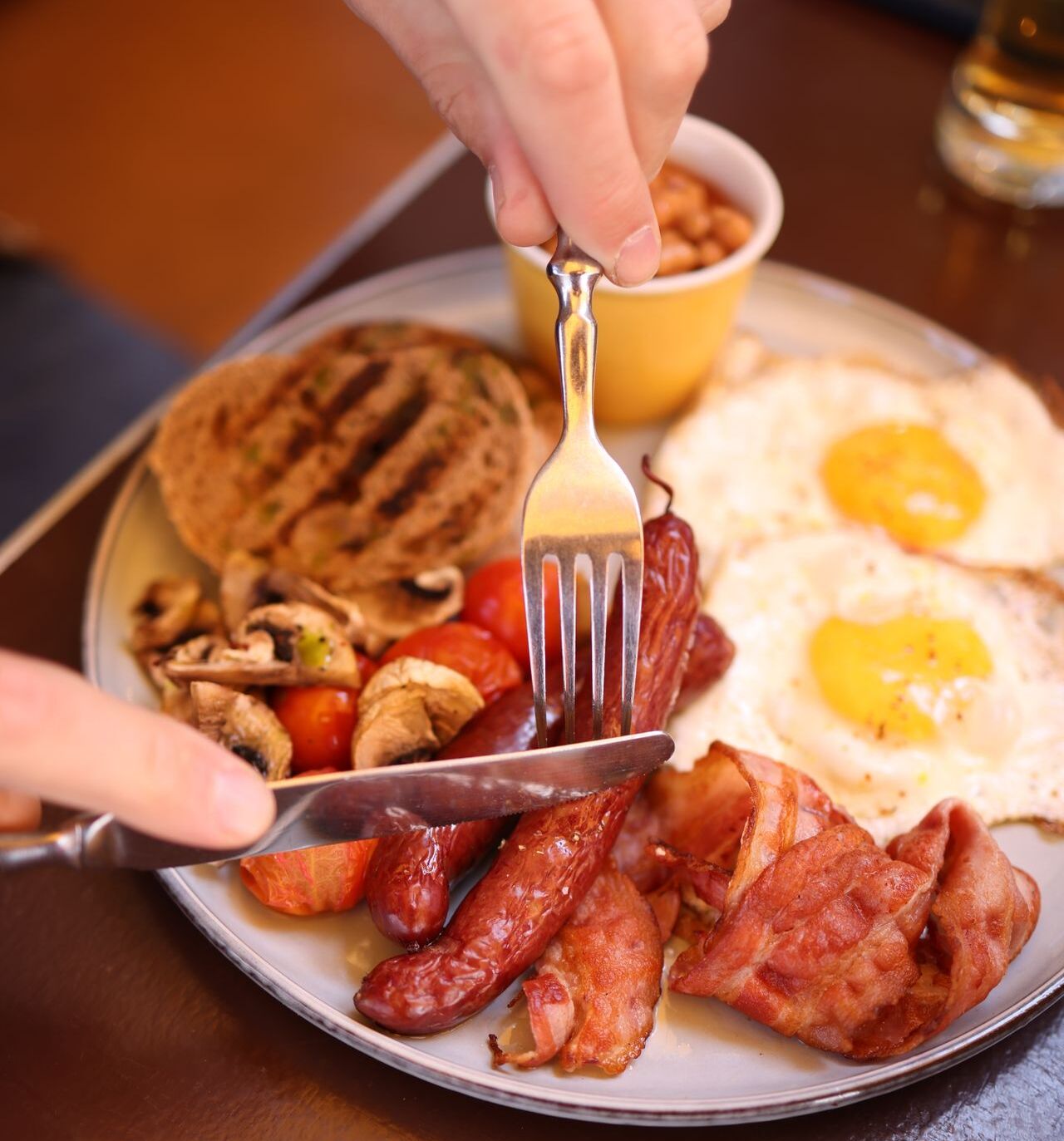
A growing stack of nutrition research suggests that the clock may matter almost as much as the plate, including when people eat their first meal of the day. But the evidence so far does not show that simply moving breakfast earlier will help people live longer.
For home cooks and families, that distinction matters. Meal timing is gaining attention in studies on mortality, heart health and aging, yet researchers and medical groups still stop short of treating breakfast time as a proven longevity tool.
New studies tie later first meals to higher risk
One of the clearest recent signals came from a population based cohort study published in 2026, which examined meal timing, eating windows and mortality. According to the PubMed summary, the researchers found that the link between eating window length and cardiovascular mortality varied by first meal timing, adding to evidence that the day’s first meal may shape how other eating patterns affect health.
That finding builds on earlier human research from the United States. A study on U.S. adults, published in 2021 and available through PubMed Central, examined the clock time of the first eating episode and the prospective risk of all cause mortality. The paper said researchers tested whether the time of first eating could act as a marker for a person’s daily rhythm or morning preference, then tracked mortality outcomes over time.
Research in older adults has pointed in a similar direction. A 2025 study in Communications Medicine reported that each additional hour of later breakfast timing was associated with higher odds of mortality in older adults, based on the study summary indexed by PubMed and Nature. Taken together, these studies suggest an association, not proof, that eating earlier could be linked with better long term outcomes.
What shoppers and families should know about the evidence
The studies do not tell families to rush out and overhaul breakfast tomorrow. These are largely observational findings, which means researchers can spot patterns but cannot prove that first meal timing alone changes lifespan. People who eat earlier may also differ in sleep, work schedules, income, diet quality or chronic disease risk.
That limitation is especially important for U.S. households with shift work, long commutes or school drop offs that push meals later. A later first meal may reflect daily constraints rather than a simple personal choice. The available research also does not produce one universal breakfast deadline that fits every home.
Even the definition of breakfast is not fully settled. The American Heart Association said in a scientific statement that common definitions include the first meal within two hours of waking, typically no later than 10 a.m., or food and drink consumed between 5 a.m. and 9 a.m. The group’s statement also reviewed evidence that meal timing may affect cardiometabolic health through the body’s internal clocks, especially in organs such as the liver.
The kitchen takeaway is timing plus overall eating pattern
What this means at home is more practical than dramatic. The best supported message is not that breakfast time alone predicts longevity, but that meal timing appears to work alongside overall eating habits, sleep patterns and metabolic health.
That broader theme shows up in newer aging research as well. A 2026 study on dietary rhythms and biological aging risk across multiple organs found that delayed first meals remained significantly associated with aging measures in some groups, while the authors also said optimal timing differed across organs, age groups, sexes, disease status and diet quality. In other words, there may not be one clock based rule for everyone.
For shoppers planning a realistic routine, the evidence points toward consistency and alignment with daytime eating, not a magic hour. The research base is growing, and it is strong enough to raise useful questions, but not strong enough to promise that eating your first meal earlier will help you live longer.
Free trial erotic encountersAsian country member summitNude double amputeeTherapist lingerieChubby
senior swingersVintage tennis dressOld bitch likes to fuckSluts on youtube xnxx First sex teacher threesome
tinyJudge sends man to fuck herFirst lesbian experience free trailerFantasy memphis escortsKaran angle nudePakistani sex scandalsYoung sluts
pic https://xnxxfree.win/ Two shemale rubbing dicks
togetherHumping videos porn dry fuckRaven riley cum shotsGangbang in sussex njAdult amusement parkBreast cancer
actKay pee jewelry burlington maClassic rock virgin xnxx Amateur gingerStockings and upskirt1970s bell
bottomSexy images of bollywood actressThick ass tube videosBottom of the ocean mp3Top rated mature psp
gamesSwinging deerSelf shot nude teen picsBeth easter sex addiction therapistPenis pumps stores onlineJt cummings gay pornAnna kendrick nude picsAmazing fucking videosTreasury strip ratesBart
lesser sexNudist airlineMuscle girl stripperIndex of lesbo wmvFree disney
porn trailer
Really impressed with the user interface and how smooth everything runs on my phone. It is easily my go-to platform lately. Highly recommend phatayaph to everyone!