
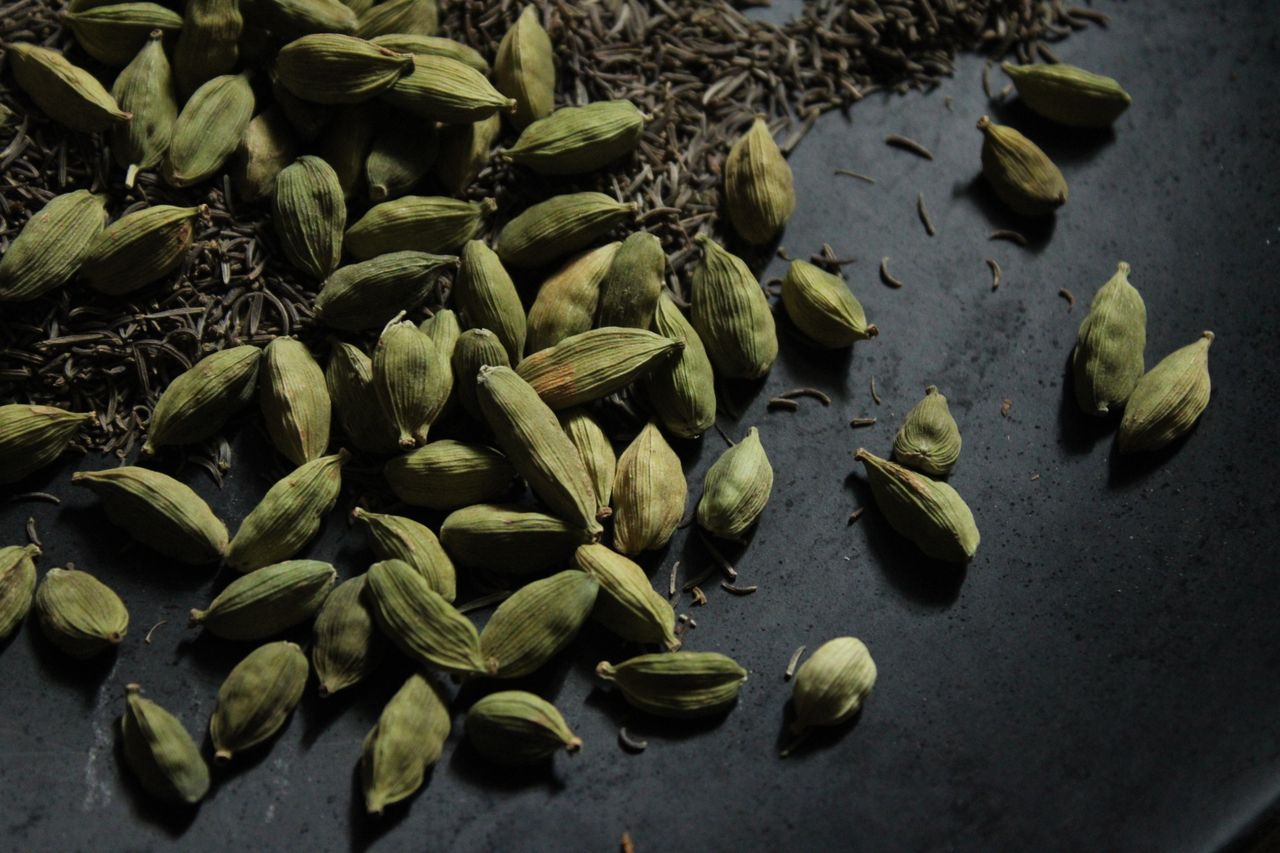
Cinnamon has long been the comfort spice of the American pantry. But a quieter, more aromatic contender is moving into that space with surprising speed.
That spice is cardamom, and its appeal goes far beyond trendiness. Its citrusy, floral, slightly resinous profile gives cooks something cinnamon cannot: warmth with lift, depth without heaviness, and versatility that works from breakfast to dinner.
Why cardamom is suddenly everywhere
Cardamom’s rise is not just anecdotal. Market researchers at Grand View Research valued the global cardamom seasoning and spices market at about $1.32 billion in 2024 and projected continued growth through 2030, a sign that consumer demand is broadening well beyond traditional regional uses. Industry analysts at Mordor Intelligence have also pointed to premium bakery, confectionery, and functional beverage demand as major growth drivers in the years ahead.
That tracks with what shoppers are seeing. Cardamom is showing up more often in specialty baking, chai concentrates, coffee drinks, and elevated pantry staples that once leaned heavily on cinnamon as the default “warm spice.” Whole Foods has featured cardamom coffee in its recipe mix, reflecting how mainstream retailers are helping normalize the flavor for home cooks rather than reserving it for restaurant menus or holiday treats.
Part of the appeal is sensory. Cinnamon is sweet, round, and familiar, but cardamom is brighter and more complex. It can sharpen a bun, perfume a rice dish, deepen a stew, or make whipped cream taste unexpectedly elegant. In a food culture increasingly drawn to global flavors and layered aromatics, cardamom offers a way to make everyday cooking feel fresher without becoming intimidating.
What cardamom does better than cinnamon
Cardamom succeeds where cinnamon can feel one-note. In baked goods, it adds fragrance without overwhelming sugar, which is one reason bakers increasingly use it in buns, cakes, shortbread, and laminated pastries. It pairs especially well with pear, orange, pistachio, dark chocolate, and coffee, giving simple recipes a more polished result.
It is also unusually adaptable across cuisines. In Scandinavian baking, South Asian sweets, Middle Eastern coffee, and savory rice dishes, cardamom has long had a central role. That global history matters because it gives home cooks a wide playbook: a pinch in oatmeal, pods in braised meat, ground seeds in pancake batter, or a light touch in fruit compote.
Another reason cardamom is drawing attention is that it fits the current appetite for ingredients associated with wellness. Research on PubMed includes a 2024 systematic review suggesting cardamom supplementation may help improve inflammatory and oxidative stress markers, while another 2024 meta-analysis reported favorable effects on inflammation and blood pressure in adults. Those findings do not make cardamom a cure-all, but they do add to its modern appeal as a spice with both culinary and functional cachet.
How to use it without overdoing it
For cooks used to cinnamon, the biggest adjustment is restraint. Cardamom is more penetrating, so a little goes a long way. Start by substituting only part of the cinnamon in familiar recipes, using cardamom as a supporting note rather than a full replacement until you understand how it behaves.
It works especially well in three zones of the pantry. First, breakfast: stir it into oatmeal, yogurt, granola, waffles, or coffee. Second, baking: blend it into muffins, coffee cake, or sugar cookies for a more aromatic finish. Third, savory cooking: add crushed pods to rice, lentils, chicken marinades, or creamy tomato sauces where the spice can bloom slowly.
The smartest way to think about cardamom is not as cinnamon’s enemy, but as the spice that expands what a pantry can do. Cinnamon still owns nostalgia. Cardamom, though, captures where home cooking is headed now: more layered, more globally informed, and more interested in complexity than simple sweetness. That is why it is no longer the supporting player on the spice rack. It is becoming the one cooks reach for when they want a dish to feel current.