
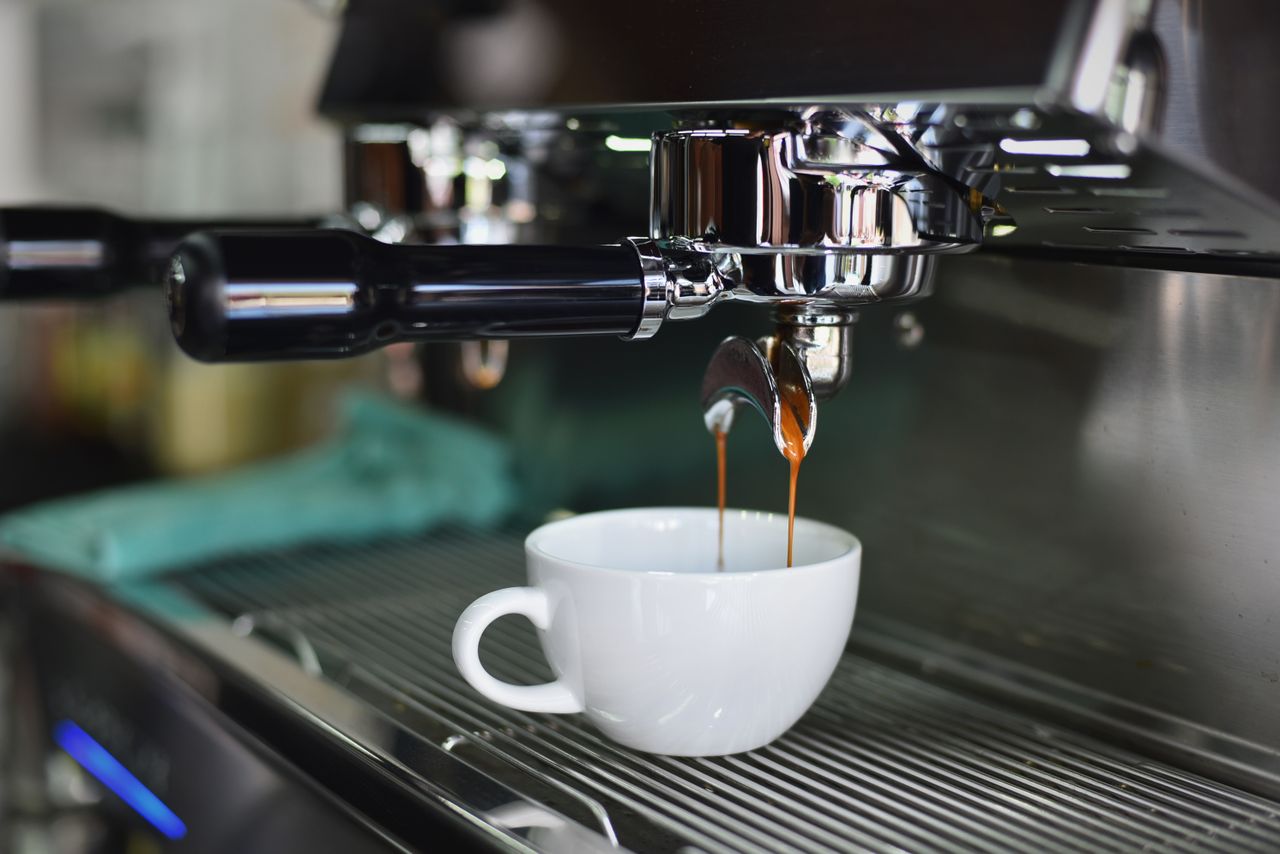
Coffee remains the nonalcoholic drink Americans reach for most often, according to recent polling from Gallup. That may surprise anyone who expected water or soda to top the list, but the data points to coffee as the daily leader when adults are asked what they actually drink.
What the latest polling found
Gallup reported in September 2026 that coffee was the most popular of five nonalcoholic beverage categories it tested in its annual Consumption Habits poll. About 49% of U.S. adults said they drink coffee every day, ahead of tea at 21%, caffeinated soda at 20%, energy drinks at 9%, and caffeine-free soda at 6%.
The Gallup findings came from interviews conducted July 1 through July 19, 2026. Because the question focused on daily consumption, the results measure regular habit rather than broad familiarity or occasional use. That makes the ranking especially useful for understanding what Americans keep in rotation at home, at work, and on the go.
Other survey data helps show how wide coffee’s reach is, even when the question changes. In a YouGov drinks survey conducted July 20 through July 28, 2023, 91% of U.S. adult citizens said they had tried iced tea, 96% said they had tried soda, and 99% said they had tried water. In that same survey, 99% said they had tried water and 96% said they had tried soda, which shows how common those drinks are, even though Gallup’s daily-use question put coffee first.
That distinction matters. A drink can be nearly universal in lifetime trial, like water or soda, but still not be the one people report drinking every day when compared with coffee. The surprise is not that Americans know these drinks, but that coffee still wins when habit is the measure.
Why coffee keeps its edge
Coffee’s lead fits with broader food and drink reporting over the past year. The Associated Press reported that Americans are drinking more coffee than they have in decades, and coffee still anchors a large share of café traffic even as chains compete harder for value-minded customers.
At the same time, the category faces pressure from rising costs. Another AP report found that higher coffee prices have pushed some consumers to cut back on café stops or brew more at home. That means coffee can dominate daily habits while the way people buy it changes, especially when grocery budgets tighten.
For home cooks and home baristas, this helps explain why simple coffee upgrades remain practical. Better beans, a dependable brewer, and add-ins like milk, cinnamon, or flavored syrups can change the cup without turning it into a coffeehouse purchase. The poll does not say Americans love every style of coffee equally, but it does show the base drink still has a firm hold.
Tea and soda remain major players, just not the top daily choice in Gallup’s latest read. Tea’s 21% daily figure and caffeinated soda’s 20% show a much closer race for second place than for first.
What it means in the kitchen
For grocery shoppers, coffee’s top finish suggests pantry priorities are still built around the morning cup. Ground coffee, whole beans, creamers, sweeteners, and easy breakfast pairings all benefit from that steady demand, and stores have responded for years with bigger selections across price points.
The result may also explain why ready-to-drink coffee, cold brew, and single-serve formats keep attracting shelf space. Even when households trade down or skip café visits, many still want convenience. Daily habit tends to support both basic staples and premium shortcuts.
Water still remains foundational in any kitchen, and YouGov’s findings underline how universal it is as a beverage Americans have tried. But universality is not the same as being named the top daily drink in a poll that compares beverage habits side by side. On that measure, coffee came out ahead in Gallup’s latest release.
For readers planning breakfasts, stocking a fridge, or trying to trim restaurant spending, the takeaway is straightforward. Coffee is still America’s leading nonalcoholic daily drink by this measure, and that helps explain why the category continues to influence both home routines and food retail decisions.