
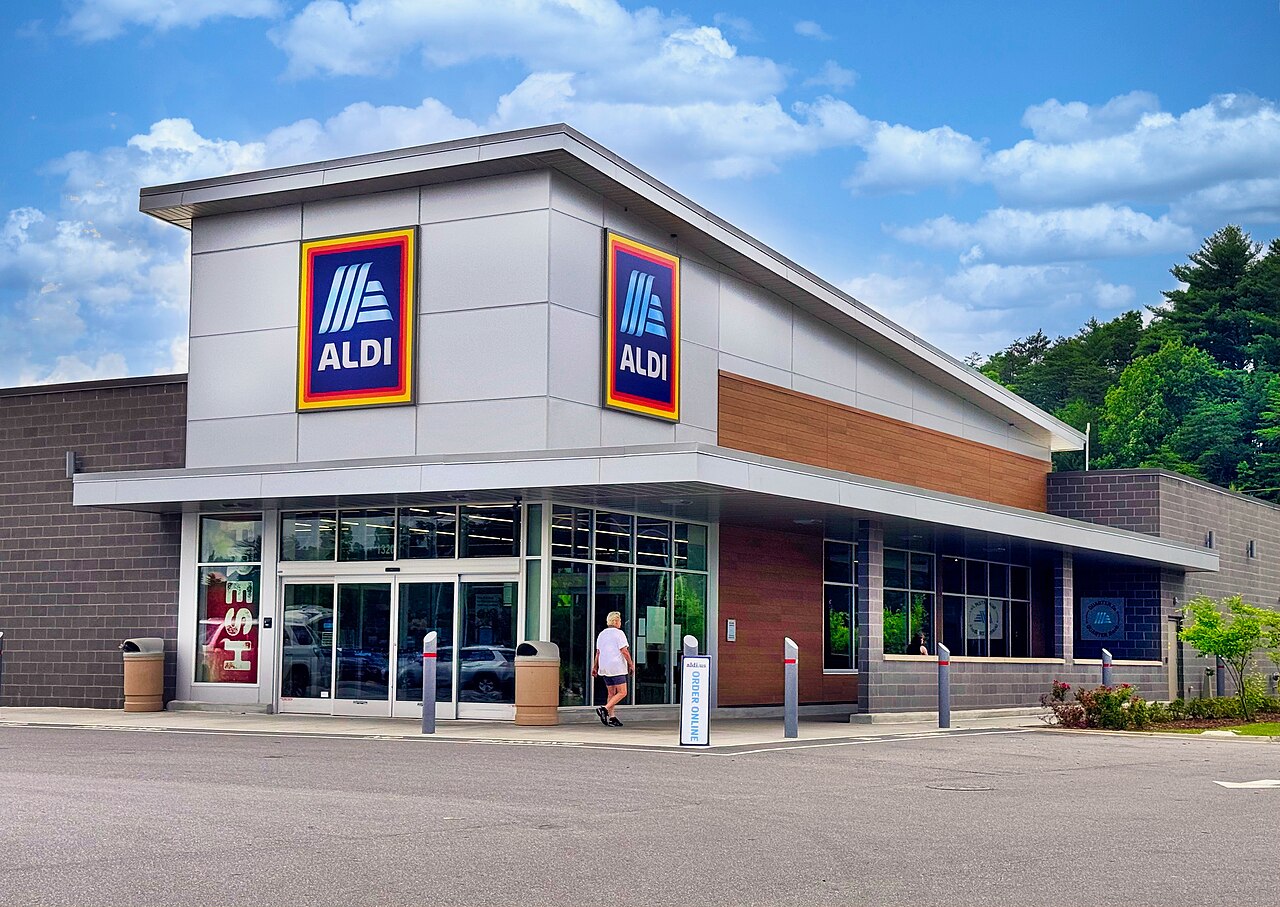
Aldi’s nationwide footprint is changing quickly as discount grocers compete for more shoppers and push harder on private-label branding. At Aldi, that shift is showing up in stores through new packaging, reformulated products and a growing number of locations, including converted former Southeastern Grocers sites.
Aldi is changing stores on several fronts at once
Aldi confirmed in an April 22, 2026 announcement that it is removing 44 additional ingredients from its private-label food, vitamin and supplement products by the end of 2027, expanding its restricted ingredient list from 13 to 57. The company said the reformulated products will roll out in phases through 2027, with updated ingredient information appearing on packaging as changes are made.
That product update is arriving alongside a broader branding reset. In a September 24, 2025 packaging announcement, Aldi said it was launching its largest packaging refresh to date, putting the Aldi name more prominently on exclusive-brand products and adding an “an ALDI Original” endorsement to many items. Aldi said more than 90% of its assortment is private label, which means the visual change is likely to be noticeable across much of the store.
The company is also expanding rapidly. Aldi said on January 12, 2026 that it plans to open more than 180 new U.S. stores by the end of 2026 across 31 states, bringing its total U.S. store count to nearly 2,800. That same announcement said the company remains on track toward a goal of 3,200 U.S. stores by the end of 2028.
The most visible local impact is in converted former Winn-Dixie and Harveys sites
For many shoppers, the biggest change is not a label but the store itself. Aldi said in its 2025 and 2026 expansion materials that it is converting former Southeastern Grocers properties, including Winn-Dixie and Harveys locations, into the Aldi format as part of its Southeast growth strategy.
According to Aldi, the company plans to convert close to 80 Southeastern Grocers locations during 2026. Aldi also said it had already converted and opened nearly 90 stores and expects to convert approximately 220 Southeastern Grocers locations to the Aldi format through 2027.
What is not yet public is a comprehensive nationwide list of every affected community. Aldi has identified the Southeast as the center of the conversion effort, but the company has not released a full location-by-location list covering every market referenced in its broader national rollout. That means some shoppers may first notice the change only when a nearby former conventional supermarket reopens as a smaller Aldi store with a different layout and narrower assortment.
Aldi says the changes are tied to growth, recognition and customer demand
Aldi has framed the store changes as part of a larger modernization effort rather than a shift away from its low-price model. In its January 12, 2026 release, the company said demand from 17 million new customers in 2025 helped drive its decision to keep investing in new stores, distribution centers and digital upgrades.
The packaging overhaul was also tied directly to shopper feedback. In its September 2025 announcement, Aldi said customers already viewed many of its private-label items as “Aldi brands,” and the redesign was intended to make those products easier to recognize and shop. The company said legacy labels including Clancy’s, Simply Nature and Specially Selected would remain, but with updated branding.
For customers, the practical result is a more standardized Aldi experience across more markets, even as some longtime Winn-Dixie or Harveys shoppers adjust to a different format. Aldi said its reformulated products will maintain the same low prices shoppers expect, signaling that the company intends to keep price as the central part of the shopping experience while these nationwide changes continue rolling out through 2027.