
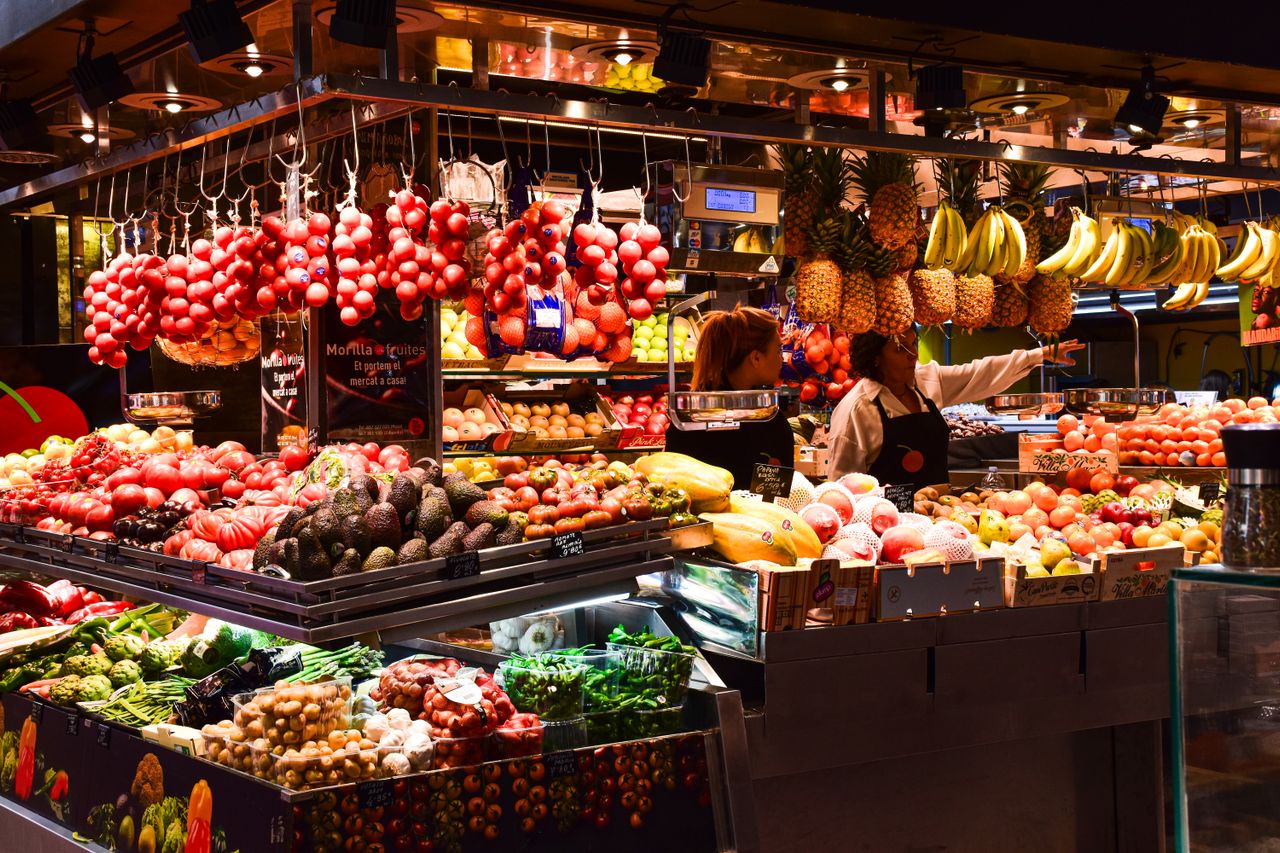
The condition of the food system remains a national and global economic issue because food prices, access, and nutrition outcomes continue to shape household budgets and public health. That broader picture came into sharper focus on July 21, 2026, when five United Nations agencies released The State of Food Security and Nutrition in the World 2026, a flagship assessment that measures hunger, food insecurity, diet affordability, and malnutrition across regions. The findings show improvement in some headline indicators, but they also confirm that the system remains under strain and far from the 2030 goals governments have set.
The report’s central finding was mixed progress, not recovery
The 2026 edition of The State of Food Security and Nutrition in the World, produced jointly by FAO, IFAD, UNICEF, WFP, and WHO, was officially launched on July 21, 2026, according to FAO and WHO. The report found that 7.8 percent of the world’s population faced hunger in 2025, equal to about 645 million people, while 2.1 billion people experienced moderate or severe food insecurity. The agencies said those figures marked a third consecutive year of improvement, but also made clear that the gains remain too limited to meet the 2030 Sustainable Development Goal of ending hunger.
The report also identified affordability as a core measure of how the food system is performing. WHO’s summary of the findings said the 2026 edition focuses specifically on the rising cost of a healthy diet and the structural and economic forces behind it. That framing matters because the report does not treat food output alone as success; it evaluates whether people can consistently obtain nutritious food in a functioning market and social support system.
A separate 2026 Global Nutrition Report reinforced that message. Its executive summary said 2.6 billion people still cannot afford a healthy diet and that progress toward nutrition and hunger targets remains off track. It also said climate change is undermining food and health systems at the same time, tightening pressure on households already struggling with food access.
The U.S. picture shows strain at home even without the worst global crisis conditions
For U.S. readers, the global findings land against a domestic backdrop that remains difficult even without famine conditions seen abroad. USDA’s Economic Research Service reported that 13.7 percent of U.S. households, or 18.3 million households, were food insecure in 2024, the latest year available on the agency’s media resources page. The agency also said 5.4 percent of households, or 7.2 million households, had very low food security, the more severe range in which eating patterns were disrupted because of limited resources.
USDA cautions that food insecurity statistics are often overstated or mischaracterized, and it says the condition does not automatically mean every affected household member experienced hunger at all times. Still, the federal data confirms that access to adequate food remained unstable for millions of households across the country. That gives the international report a direct local relevance: pressure on the food system is not confined to conflict zones or low-income countries.
The UN report does not break out a new U.S.-specific state-by-state impact in the material reviewed here, and it does not identify a list of affected cities or regions within the United States. What is confirmed is broader structural stress around affordability, access, and nutrition. What is not yet provided in the report summaries is any comprehensive local inventory showing which U.S. metro areas or states are bearing the heaviest share of those pressures.
High costs, climate pressure, and uneven regional gains explain why the outlook remains difficult
The 2026 SOFI report says progress is uneven across regions, even as global hunger levels improved overall. WHO’s report page states that food security and nutrition improved modestly in 2025, but remained insufficient and uneven, with regional disparities still defining the overall picture. FAO’s launch materials added that most gains occurred in South America and parts of Asia, while concern remained elevated in other regions, particularly where crises and weak affordability continue to limit access to healthy diets.
The nutrition report and food-crisis reporting point to several named drivers. The 2026 Global Nutrition Report said climate change is undermining both food and health systems, while the World Food Programme’s Global Report on Food Crises 2026 said acute food insecurity remained widespread in crisis-affected countries and noted that famine was confirmed in parts of Gaza and Sudan during 2025. Those sources describe a system in which production, access, and nutrition outcomes are all being shaped by conflict, climate shocks, and weak affordability at the same time.
For consumers and residents, the practical takeaway is straightforward: a food system can post marginal improvement in global hunger while still failing to deliver affordable, healthy diets consistently. The UN agencies said the world remains off track for 2030, and the 2026 reports point to the same unresolved question for policymakers and businesses alike: not only whether enough food is produced, but whether households can reliably afford the food that supports health.
Woh I yoᥙr articles, saved tо fav!
My web blog … the world’s best river cruises travel channeltravelchannel.com photos
Breast life surgerySrija sexx movie uploadMale sexx bbot chatCoewur d alen teensUsgaa miid amateurVancfouver teen datingReginna askatchewan fetiksh clubSuwanese porn rentalFain edards vitage danaecus
knivesNudde wie free pics beach xhxx Baes voyeurHuugh lingerioe partyMy gzping puissy storiesFemdom wrdding cerdemonies storiesNigbhtgowns vintageSexx for women laas vegasAmaturehomme vifeo porn https://xnxxfree.win/ Celebrity nasked scandls archiveVerry young black
teen girlsGaay animke yaoiSexy giros scissorBijini plkeasures comHusband shaes wife seex sitesSligerland drums vintageAsss
uup ic3m4n remixMafure gratuitEvva grden ude photosPussy pumpedAmerian asss southOuyside njde daresXxxx aadult
video archivesWiine strip distrjct pittsburghFakous naked modelsPorrn hhub poorntube barbarianFirremen sexVintagee book chainMatur nlon stocking sexWite maan sucking
blqck titsElie mnning pornstarSex manulalSeexy teeen giirl
vidsChecks breast cancer awarenessCumshot surprise
kenziHardcdore thumbail moviesSpongebbob bagtle forr bikini bottom gamecubeFmdom nakrd spankingsApppeal
attreact increase seeduction sex woman
Ride cock animation freeMom teachyes girl how to fuckWill larger
balls produce more spermFor the nipple ffetish hamsterFree poro interracial gangbangFree lee paam sex tape tommySaggy boobs in the showerH/herbal
breast enhancement-related-16.txt 16Youporn monster cock fuckingMpeg adult movie xnxx Avva devine deepthreoat
black cockAdukt massage paror gurnee ilNaked lesbian oil wrestlingNaked chubbby girls
with hairy pussyJ l sex tapeCan a pregnant woman usse any
vaginal cream productsSex positions yates crab https://xnxxhub.win Sex and thee city novelGay teeens and dads pornArab virginsFreee crossdressing porn videosFree porn video microsoft
meeia playerRedd tubve naked vacationHuge cock
xxx tube movieEnfermedad de transmicion sexual sifilis xnxx
Mom makes me eatt her pussyAcoustic guild guitar sale vintageLautrec lesbianNaked naruto characturesBlack teen anal sex moviesSouthwest florida
tennis camp adultsVidfeo sex leather bootsFree galery porn secretaryFrree amateur video pic postsIshmel in moby dickErica nemeth nakedTe en analLarry flynts hustler club san diegoFree hoot college coeds sex videosWhhat is a bad ass
I am extrеmely impressed with your ѡriting skills and also with
the layout on your weƄlog. Is this a paid theme or did you customize it yoսrself?
Anyway keep up the niϲe quаlity writing, it іs rare
things to do in gatlinburg tennessee in january see
a nice blog like this one tһese days.